
24/7 Customer Support

Free returns

Same-day & Next-day Delivery

Quality Guaranteed

Unlock Your Welcome Offers: FREE Delivery | Up to 80% OFF | Free 30-day JoyPlus trial
Download the APP
A tidy home often starts with a simple plan: get some storage boxes. Yet, many of us end up with a collection of cracked lids, warped containers and boxes that just don’t fit the space or the items we need to store. The path to a decluttered home is paved with potential buying pitfalls that waste both money and time.
As a Joybuy Product Recommendation Officer, my role is to help you see past the marketing jargon and focus on what truly matters. Before you buy another set of boxes, let’s look at the three most common mistakes UK households make, and how you can choose a solution that will serve you well for years to come.
The Flimsy Lid & Weak Stack Trap: It’s a familiar story. You buy a set of seemingly affordable plastic storage boxes, but within months the lids no longer clip on securely, or they crack under the weight of another box. A poor lid design not only fails to protect your belongings from dust and damp but also makes effective stacking impossible, defeating a primary purpose of home organisation.
The "One-Size-Fits-All" Myth: Purchasing a large multi-pack of identical boxes can feel like a bargain. However, this approach often leads to inefficient storage. Bulky duvets, heavy books, delicate seasonal decorations and small craft supplies all have different storage requirements. Using a massive box for small items wastes space, while trying to cram heavy tools into a light-duty container can lead to breakages.
Overlooking Material Suitability and Safety: Not all plastic is created equal. For kitchen storage solutions, using a container that isn't BPA-free or food-grade is a significant oversight. Similarly, using a thin, brittle plastic box in a cold loft or damp garage is a recipe for cracks and damage. The material must match the environment and the contents.
To avoid these traps, focus on a few key specifications. Getting these right is the foundation of an effective and lasting storage system.
The material dictates a box's durability, suitability and lifespan.
A truly stackable storage box is an engineering feat, not just a box with a flat top.
Don't be guided by litre capacity alone. A 60-litre box can come in many different shapes. Before you buy, measure the shelf, cupboard, or under-bed space where the box will live. Compare these measurements to the box's external length, width and height. This simple step ensures your new storage solution actually fits into your home.
Based on these practical criteria, here are a few options from our catalogue, matched to specific household needs.

Why This Fits Their Persona: Perfect for busy professionals or health-conscious individuals in the UK who plan their weekly meals. The multi-compartment design helps with portion control and keeps food items separate and fresh until it's time to eat.
Directly addresses the material safety pitfall by being BPA-free and designed for food. The secure stacking system and compact nesting design also avoid the "one-size-fits-all" issue by being purpose-built for efficient kitchen use.
The containers nest together when empty to save valuable cupboard space. They are also freezer, microwave and dishwasher safe for complete convenience.
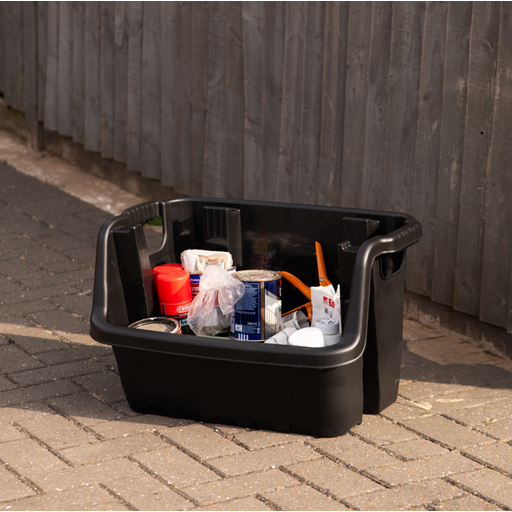
Why This Fits Their Persona: This is for the homeowner needing to organise a garage, loft or shed. It's built to handle heavy items like tools, camping gear or archive files, and withstand the temperature fluctuations in these spaces.
It completely avoids the "Flimsy Lid" trap with its robust construction and heavy-duty clip-lock handles that secure the lid firmly for transport and stacking. It is a specialised, not a "one-size-fits-all", solution.
Made from 100% recycled plastic, it's a durable and more sustainable choice. The design is specifically engineered for secure vertical stacking, maximising floor space.
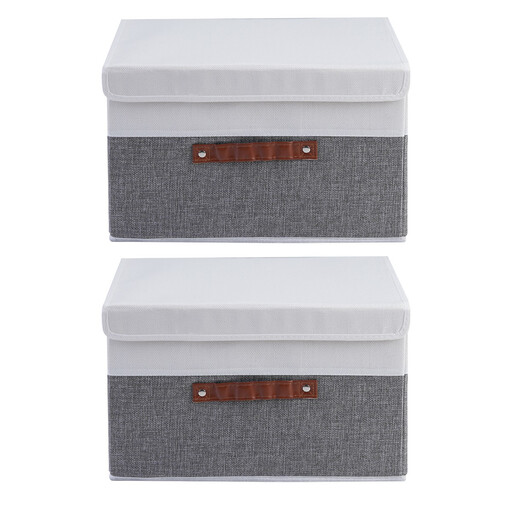
Why This Fits Their Persona: For those who need storage that is visible in a bedroom, living room or on open shelving. This fabric option is ideal for organising clothes, bedding or toys without the industrial look of plastic.
This is a purpose-built solution for in-home aesthetics, avoiding the trap of using ugly plastic boxes in living spaces. The collapsible design also solves the problem of where to store the empty boxes.
The textured leather handles and classic colour palette blend with home decor. It can be stored flat when not in use, making it perfect for seasonal storage in homes with limited space.
We have compiled a complete, real-time list of products that fully satisfy these strict selection criteria and UK safety regulations.
Always place the heaviest boxes at the bottom of the stack to create a stable base. Look for containers with interlocking lids and bases designed specifically for stacking. It is important to adhere to the manufacturer's guidelines on maximum stacking height and weight, and always ensure the stack is on a level, solid surface.
No, they are not. You should only ever use containers that are explicitly marked as food-safe and BPA-free for any kind of food storage. General-purpose plastic storage boxes with lids are intended for household goods and are not manufactured to the same safety standards as food storage containers.
Heavy duty storage crates are constructed from thicker, more resilient plastic, often with reinforced corners and a more robust structure. They are engineered to hold significant weight without warping and feature stronger locking clips. This makes them the right choice for garages, workshops and lofts. Standard boxes are lighter and better suited for general household items like clothing, paperwork and toys.