
24/7 Customer Support

Free returns

Same-day & Next-day Delivery

Quality Guaranteed

Unlock Your Welcome Offers: FREE Delivery | Up to 80% OFF | Free 30-day JoyPlus trial
Download the APP
A tidy home can quickly become cluttered when bedding, seasonal clothing, stationery, snacks and household supplies have nowhere suitable to go. The right storage boxes can make use of awkward cupboard space, under-bed areas and open shelving, but choosing by appearance or headline capacity alone can lead to wasted money.
Before comparing foldable storage boxes, fabric organisers or large storage containers, look beyond the product photographs. A box that looks spacious may not fit your shelving, support the expected weight or protect contents from dust and moisture.
A stated capacity such as 48 L, 66 L or 107 L usually refers to the approximate internal volume. Thick frames, lids, handles and sloping sides can reduce the practical space available. Measure the items you plan to store, then compare them with the internal dimensions where these are provided.
Also check doorways, wardrobe openings and shelf depth. A large storage container may hold more, but it becomes inconvenient if it cannot slide into its intended location.
A fabric box may be suitable for jumpers and toys but unsuitable for books, tools or dense kitchen items. Product listings can show a maximum load per box or layer; this is more useful than vague descriptions such as “heavy duty”.
For example, the listed four-tier SNSP storage boxes specify approximately 15–25 kg per layer. Treat this as a product limit, not a target. Distribute weight evenly and place heavier items on lower levels where possible.
A zip, snap lid or silicone ring may help reduce exposure to dust or moisture, but it does not automatically make a container airtight, waterproof or suitable for damp garages. Similarly, a product name containing “antibacterial” should not be treated as a medical or hygiene guarantee unless the listing provides clear, verifiable details.
For clothes and quilts, use dry storage and allow fabrics to cool and dry fully before packing. For medicines, follow the instructions on the packaging and any advice from a pharmacist.
Use capacity as a starting point, then match the format to the contents:
Non-woven fabric and cardboard organisers are lightweight and often fold flat when not in use. They are suitable for dry indoor rooms, but spills should be wiped rather than washed unless the manufacturer specifically permits machine cleaning.
PET plastic provides visibility and can make small items easier to identify. However, transparent plastic may scratch, and it should not be used near high heat, in an oven or microwave, or with hot liquids unless expressly approved.
For any storage product, check cleaning instructions, ventilation requirements and whether the structure relies on a removable base plate, frame or cardboard insert.
Handles are useful for wardrobes, student accommodation and rented homes where storage needs may change. A lidded box protects contents between uses, while an open cube basket provides quicker access.
A portable pill organiser needs a separate check: look at the number of compartments, closure design, cleaning instructions and whether the compartments match the user’s daily schedule. Keep medicines and supplements away from children and pets, and never transfer products if doing so could make identification or dosage instructions unclear.
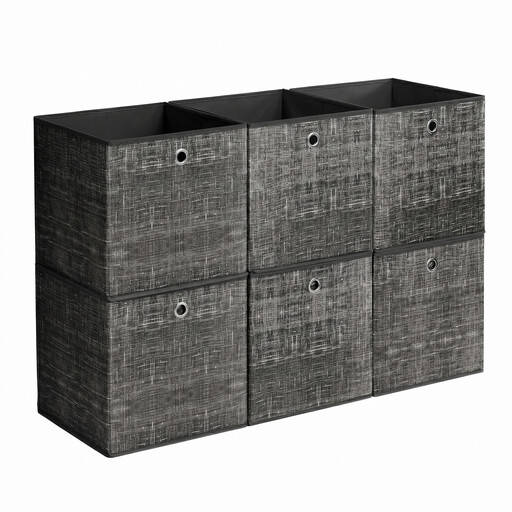
Why This Fits Their Persona: A six-piece set gives renters, students and first-home households a straightforward way to organise several cube shelves, wardrobes or desks without buying separate boxes for each space.
The listed 33 × 33 × 33 cm size helps buyers check shelf compatibility first, while the stated 5 kg capacity per box discourages overloading with dense items.
Foldable construction, handle openings and removable base plates; suitable for dry indoor storage.
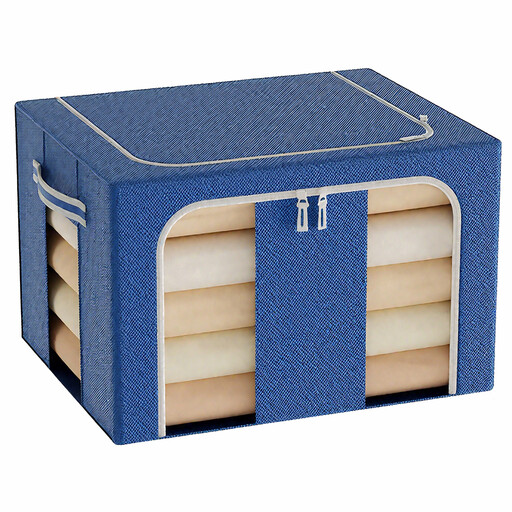
Why This Fits Their Persona: The three-piece format suits households wanting a coordinated solution for seasonal clothing, spare bedding or soft furnishings in a bedroom or airing cupboard.
A defined 66 L capacity and fabric construction make the intended soft-item use clearer than a generic container marketed for every room.
Oxford fabric and folding construction; three boxes can be stored together when organising a seasonal rotation.
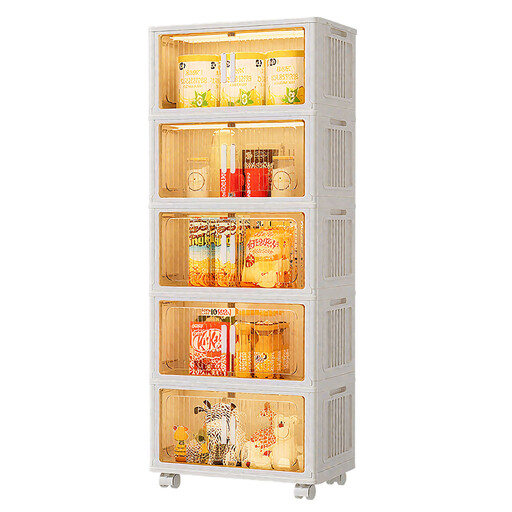
Why This Fits Their Persona: Families and home-office users needing substantial capacity can assign separate tiers to paperwork, toys, spare linens or household supplies.
The four-tier layout separates contents instead of requiring one deep box, and the listing gives an approximate 15–25 kg load range per layer.
107 L capacity per listed unit and four-tier organisation; check available floor and doorway space before ordering.

Why This Fits Their Persona: This compact format is designed for people arranging a seven-day routine at home, in the office or while travelling.
The 21-compartment layout makes the intended three-part daily schedule clearer than an undivided pill storage box; keep it dry and out of reach of children.
Portable weekly arrangement and sealed design; check each compartment’s suitability for the specific product being stored.
We have compiled a complete, real-time list of products that fully satisfy these strict selection criteria and UK safety regulations.
Measure the cupboard, shelf or under-bed gap before buying. Use smaller boxes for frequently accessed items and stackable formats for seasonal belongings. Label the front or handle, rather than relying on memory, and avoid placing heavy boxes where they must be lifted above shoulder height.
Lifespan depends on load, humidity, handling and sunlight. Keep fabric organisers in dry indoor areas, do not exceed the stated capacity, and avoid dragging them when full. Foldable boxes generally last longer when their base plates and seams are not overloaded.
Only use them for these purposes when the product information clearly supports that use. A transparent PET compartment storage box can help separate dry snacks or tea bags, but the listed product is not intended for hot liquids, ovens or microwaves. For medicines, retain original packaging where practical and follow storage instructions from the manufacturer or pharmacist.