
24/7 Customer Support

Free returns

Same-day & Next-day Delivery

Quality Guaranteed

Unlock Your Welcome Offers: FREE Delivery | Up to 80% OFF | Free 30-day JoyPlus trial
Download the APP
Storage boxes can make a home, office or small business easier to manage, but the wrong type may waste space, collapse under weight or cost more to use than expected. UK buyers also need to consider damp conditions, limited cupboard space and the difference between boxes designed for storage and those intended for shipping.
This guide explains the practical details to check before buying, followed by our top recommendations for different storage needs.
A box may look spacious in a product image but have limited usable capacity once handles, lids or internal dividers are taken into account. Check the internal dimensions where available, rather than relying only on external measurements.
For cube storage organisers, also measure the shelf opening. A nominal “cube” size is not always identical between storage units, and a box that is slightly too wide may not slide in smoothly.
Foldable fabric storage boxes and cardboard storage boxes are useful for clothes, paperwork and lightweight household items, but they are not automatically suitable for heavy tools, books or dense kitchenware. Check the stated maximum static load or board construction before filling them.
For example, a fabric cube may hold its shape well on a shelf but still have a specified weight limit per box. Overloading can distort the base and make the handle less comfortable to use.
Cardboard and fabric boxes should generally be kept in a dry environment. Garages, lofts and sheds can experience condensation or seasonal humidity, which may soften cardboard and affect fabric materials over time.
Plastic storage boxes with lids are more appropriate when dust protection and easier cleaning are priorities. However, “water-resistant” should not be treated as proof that a box is fully waterproof or suitable for outdoor exposure unless the listing clearly states this.
Measure the space where the storage boxes will be used, including:
For shipping boxes and moving boxes, compare the internal dimensions with the size of the item, allowing room for protective paper, bubble wrap or other packaging material. Avoid choosing a box that is much larger than necessary, as empty space can increase movement and may raise postage costs.
The material should match the task:
Where sustainability matters, look for specific information rather than broad environmental wording. Some recyclable cardboard boxes use a high proportion of recycled content and can be placed in kerbside recycling, subject to local council arrangements. Plastic recycling guidance can vary depending on the material and local collection service.
Buying a larger pack can reduce the cost per box, but only if you have enough space to store unused packaging. Flat-packed cardboard boxes are particularly practical for small businesses and online sellers because they take up less room before assembly.
For reusable plastic containers, check whether lids are included and whether the boxes stack securely. A box that stacks without sliding can help make better use of vertical space in a cupboard, garage or office.
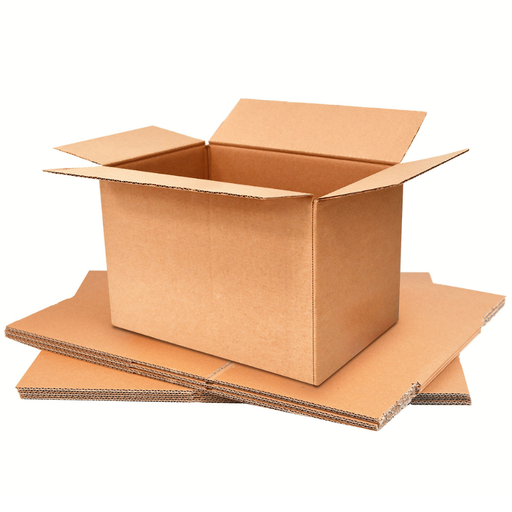
Why This Fits Their Persona: A five-box pack suits students, occasional sellers and households that need a modest supply for decluttering, small moves or sending parcels.
The stated internal size is 229 x 152 x 152mm, making it easier to match the box to small items instead of guessing from photographs. It is supplied flat-packed, so unused boxes do not occupy assembled-box space.
B-flute single-wall cardboard; pack of five; four-flap FEFCO 0201 design for straightforward assembly.
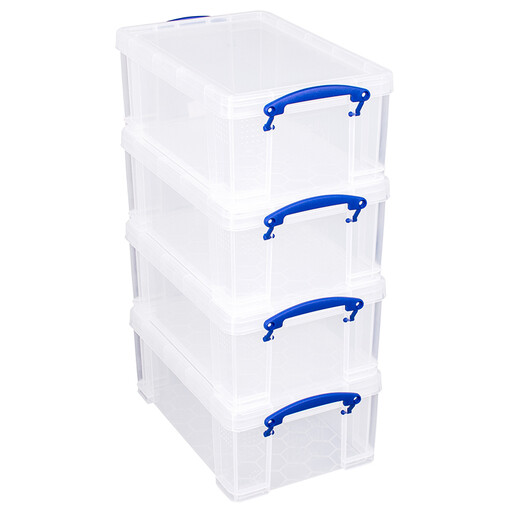
Why This Fits Their Persona: Suitable for households, offices and craft rooms where reusable containers, visible contents and stackable storage are more useful than disposable packaging.
The transparent polypropylene body lets you check contents without opening each box. Secure snap-on lids and stackable construction address dust, clutter and wasted shelf space.
Four 9-litre boxes; stated dimensions of 255 x 395 x 155mm each; reinforced base and corners.
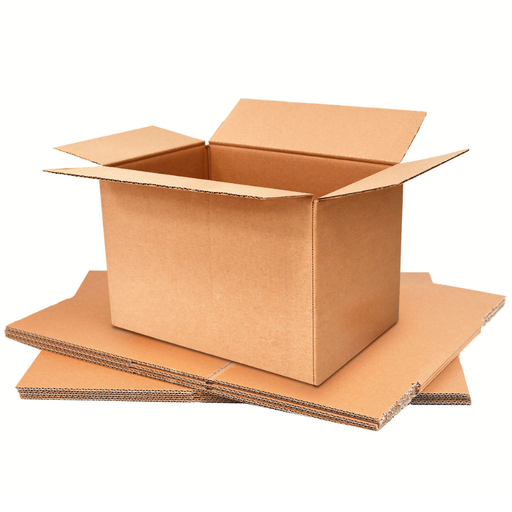
Why This Fits Their Persona: The larger pack is practical for online sellers, retailers, warehouses and households preparing for repeated dispatches or a substantial move.
The fixed internal dimensions help with repeatable packing, while the flat-packed format reduces stockroom clutter. The listing also specifies sealing the flaps properly and storing boxes in a dry place.
Pack of 50; B-flute board with approximately 3mm wall thickness; made with up to 90% recycled content and described as kerbside recyclable.
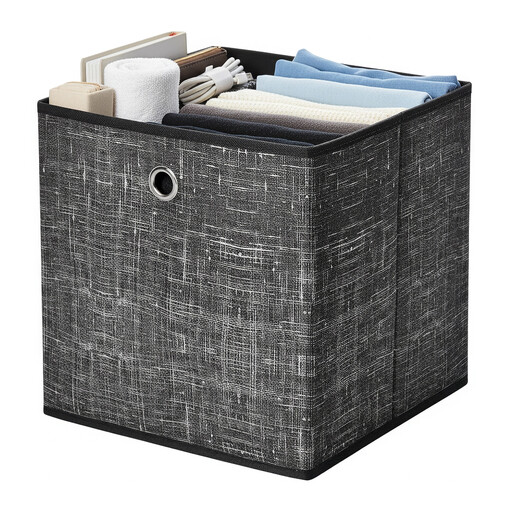
Why This Fits Their Persona: These organisers suit bedrooms, living rooms and studies where soft furnishings, clothing or books need to be kept in compatible cube shelving.
The stated 30 x 30 x 30cm size makes shelf compatibility easier to assess. A base insert supports assembly, while the box can fold flat when it is not required.
Set of six; handles for access; stated maximum static weight capacity of 5kg per box.
We have compiled a complete, real-time list of products that fully satisfy these strict selection criteria and UK safety regulations.
Moving boxes made from corrugated cardboard are usually convenient because they are lightweight, easy to label and supplied flat. Choose dimensions that you can lift comfortably when filled, and use smaller cartons for heavier contents such as books or cookware.
They can be useful for protecting household items from dust and making contents visible. Before using them in a loft or garage, check the lid fit, keep the boxes away from direct water exposure and avoid assuming that a snap-on lid makes the container fully waterproof.
Use each box within its stated capacity, keep cardboard and fabric products dry, and avoid dragging loaded containers across rough floors. Reusable plastic boxes should be cleaned with a suitable damp cloth and allowed to dry before storing items inside.