
24/7 Customer Support

Free returns

Same-day & Next-day Delivery

Quality Guaranteed

Unlock Your Welcome Offers: FREE Delivery | Up to 80% OFF | Free 30-day JoyPlus trial
Download the APP
Finding the right storage containers can feel like a small victory in the daily battle for an organised home. Yet, a stroll down any homeware aisle reveals a dizzying array of options, many of which promise much but deliver little. A lid that warps, a seal that leaks or a plastic that stains after one use are common frustrations that lead to wasted money and more clutter.
As the Joybuy Product Recommendation Officer, my role is to help you navigate these choices. This guide cuts through the marketing jargon, focusing on the practical features that define a truly useful container. We will look at the common pitfalls to avoid and the essential criteria to check before you buy, ensuring your next purchase is a lasting solution, not a temporary fix.
Before investing in new home storage solutions, it is wise to be aware of the frequent design flaws that can render a container useless within months.
To avoid these issues, focus on a few key parameters. These objective markers of quality will help you select food storage containers that are practical, durable and safe.
Based on these practical criteria, we have matched a few standout options to common household needs.
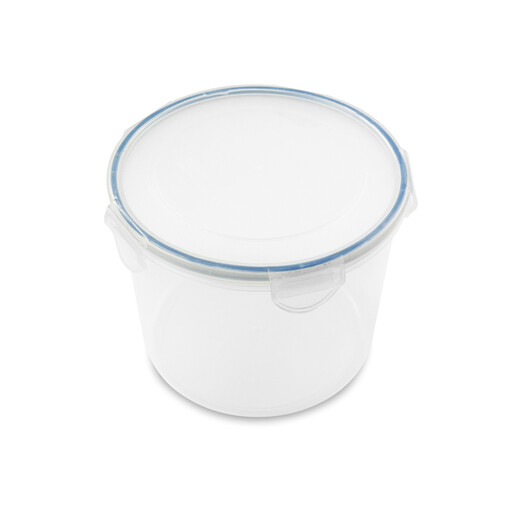
Why This Fits Their Persona: This container is ideal for those who batch-cook meals for the week. Its generous 2-litre capacity can hold a large portion of soup, stew or a family-sized salad, and its secure seal makes it reliable for transport to work.
It directly counters the "Airtight Illusion" with its four-clip locking mechanism and high-quality silicone seal, providing a genuinely leak-resistant and airtight closure.
BPA-free, dishwasher-safe and stackable design. The clear body allows for easy identification of contents in a crowded fridge.
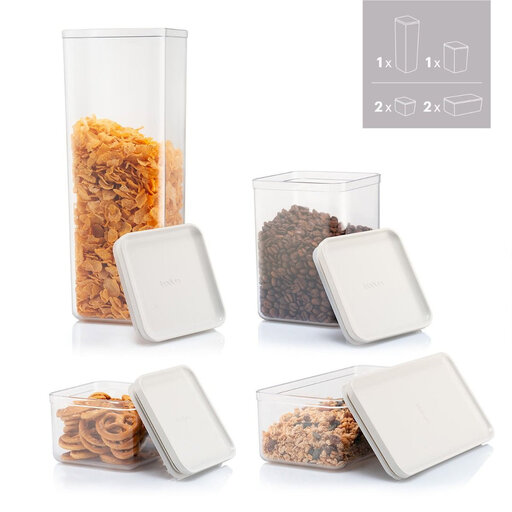
Why This Fits Their Persona: This set is for those looking to bring order to a busy family kitchen. It provides a coordinated system for storing everything from pantry staples like pasta and cereal to fresh fruit and leftovers in the fridge.
It solves the "One-Size-Fits-All" trap by offering six different capacities (from 0.5L to 2.6L), ensuring there is a suitable jar for a wide variety of foods and ingredients.
The set provides a uniform, stylish look for an organised pantry. The jars are made from BPA-free plastic with airtight lids and are fully dishwasher safe.
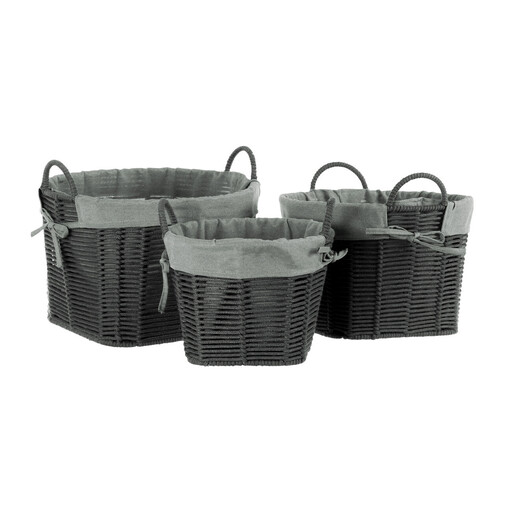
Why This Fits Their Persona: For those who need to tidy away non-food items like blankets, toys or magazines, these **storage baskets** offer a solution that complements home decor. The stylish grey cotton rope design looks good in a living room or bedroom.
Unlike purely functional plastic boxes, these baskets are designed to be seen. They solve the problem of clutter without compromising on style, avoiding the need to hide your storage away.
The set includes three useful sizes. A robust wire frame provides structure, while removable fabric liners protect contents and are easy to clean.
We have compiled a complete, real-time list of products that fully satisfy these strict selection criteria and UK safety regulations.
1. Are all plastic food containers safe to use in the microwave? Not all plastics are created equal. It is essential to check the product for a "microwave-safe" symbol or text. For safety, always use BPA-free containers for heating food. It is also recommended to remove the lid or at least leave it ajar to allow steam to escape, preventing pressure build-up and potential warping.
2. How can I prevent my plastic containers from staining? Staining from foods like bolognese or turmeric-based curries is a common issue with plastic. To minimise it, try to rinse the container immediately after use. For particularly stubborn sauces, lightly coating the inside of the container with a little cooking oil or spray before adding the food can create a protective barrier. If a stain has already set, a paste made from bicarbonate of soda and water, left to sit for a few hours, can often help lift it.
3. What is the difference between 'stackable' and 'nestable' containers? These terms describe two different space-saving features. Stackable containers are designed to sit securely on top of one another when they are full, which is crucial for organising your fridge and cupboards efficiently. Nestable containers are designed to fit inside one another when they are empty, which is ideal for saving valuable drawer or cupboard space when they are not in use. Many of the most practical designs offer both features.