
24/7 Customer Support

Free returns

Same-day & Next-day Delivery

Quality Guaranteed

Unlock Your Welcome Offers: FREE Delivery | Up to 80% OFF | Free 30-day JoyPlus trial
Download the APP
A tidy home often starts with the right storage. Yet, choosing the right storage containers can feel like a gamble. We’ve all been there: you buy a set of boxes that promise to solve your clutter, only to find the lids warp after one wash, the plastic cracks in the freezer or they simply don’t stack as neatly as you’d hoped. A disorganised pantry or a chaotic cupboard is more than just an eyesore; it can lead to food waste and unnecessary stress.
As the Joybuy Product Recommendation Officer, my role is to help you navigate the market and find practical solutions that genuinely work for your home. Before you spend another pound on containers that will end up in the recycling bin within months, let’s look at the common pitfalls to avoid and the key features that truly matter.
Many products look appealing on the shelf but fail in daily use. Here are two frequent issues that UK households encounter:
The "Airtight" Myth: Many containers claim to be airtight, but their performance quickly deteriorates. This is often due to a flimsy seal made from low-grade material that hardens or warps or a poorly designed locking mechanism that loses its grip. The result is stale biscuits, clumpy sugar and wasted food. A truly airtight food container depends on a high-quality, flexible seal and robust clips.
Brittle Materials and Poor Design: A common cost-cutting measure is using thin, brittle plastic. These containers might seem like a bargain, but they often crack when dropped, become fragile in the freezer or stain permanently from foods like curry or tomato sauce. Another design flaw is poor stackability. Lids without grooves or containers with awkward shapes can create unstable towers that waste valuable shelf space in your fridge or pantry.
To ensure your purchase is a lasting investment in kitchen organisation, focus on these essential parameters rather than marketing hype.
The material of your container dictates its lifespan and suitability. For food storage containers, look for BPA-free plastic as a standard. For superior durability and clarity, Tritan plastic is an excellent choice; it's highly impact-resistant, won't stain or retain odours and often has a glass-like appearance. For general-purpose plastic storage boxes with lids, heavy-duty polypropylene or recycled plastics offer robustness for storing heavier items in a garage or loft. For countertop kitchen canisters, materials like tough dolomite offer a sturdy and stylish alternative to plastic.
The effectiveness of a container hinges on its seal. Look for a visible, flexible silicone seal integrated into the lid. This provides a much more reliable barrier against air and moisture than a simple plastic-on-plastic closure. This should be paired with strong, easy-to-use locking clips. A good system provides a confident "click" and ensures the lid stays put, preventing spills and keeping contents fresh.
Good design maximises your storage space. Stackable storage boxes with indented lids are crucial for stable vertical storage in pantries and cupboards. For smaller containers, a nesting design—where empty containers fit inside one another—is a significant space-saver. Clear materials are also a key feature, allowing you to see contents at a glance and manage your pantry storage without having to open every single box.
Instead of a one-size-fits-all approach, the right container depends on your specific needs. Here are some recommendations matched to different household profiles.
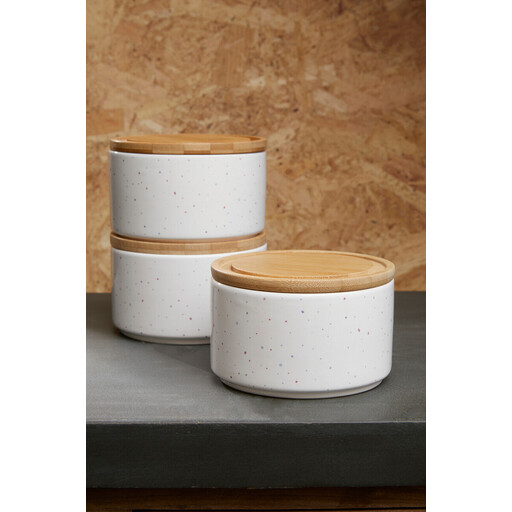
Why This Fits Their Persona: Perfect for those who want their kitchen storage to be part of the decor. This set is ideal for keeping tea, coffee and sugar on the worktop in a way that complements a modern UK kitchen aesthetic.
It sidesteps the brittle plastic trap by using tough dolomite. The bamboo lids include an inner seal, providing a better closure for dry goods than simple press-on lids.
Combines a decorative speckle pattern with a functional, space-saving stackable design thanks to the grooved lids.

Why This Fits Their Persona: For anyone serious about their weekly food prep. The multi-compartment design is perfect for portion control and keeping different food elements, like chicken, rice and veg, separate until it's time to eat.
These meal prep containers are made from durable, BPA-free plastic that is freezer and microwave safe. The clever design allows them to stack securely when full and nest when empty, solving the poor stackability problem.
The multi-compartment layout promotes balanced meals, while the Nest It system dramatically reduces cupboard clutter when the containers are not in use.
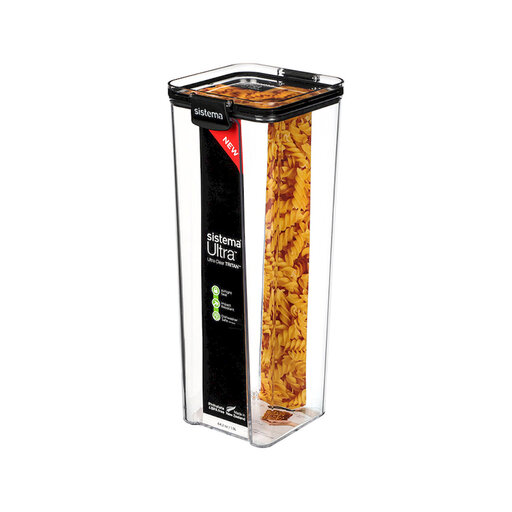
Why This Fits Their Persona: Ideal for those who buy in bulk and need a reliable system for their pantry. The large 1.9-litre capacity is perfect for storing flour, pasta, rice or large batches of leftovers, keeping them fresh and visible.
This canister is made from premium Tritan plastic, which is shatter-resistant and ultra-clear, avoiding the brittle material trap. The dependable airtight seal and easy-locking clips directly counter the "Airtight Myth".
Exceptional durability and clarity from the Tritan material, combined with a reliable seal and a space-efficient square shape for neat stacking.
We have compiled a complete, real-time list of products that fully satisfy these strict selection criteria and UK safety regulations.
No, not all plastics perform well at low temperatures. Cheaper, more rigid plastics can become brittle and crack easily in the freezer. For freezing, it is advisable to choose containers made from polypropylene or those specifically marked as 'freezer-safe' by the manufacturer. This ensures the material remains flexible and durable when frozen.
'BPA-free' indicates that the plastic is manufactured without Bisphenol A, an industrial chemical. While regulations are in place, many consumers prefer to choose BPA-free products for food-contact items as a precaution. It has become a common standard for most reputable brands offering food storage containers in the UK.
Staining is a common issue, especially when microwaving oily or colourful foods. To minimise it, rinse the container immediately after use with cold water before washing. For stubborn stains, a paste of bicarbonate of soda and water can help. Alternatively, choosing containers made from high-quality, stain-resistant materials like Tritan plastic can prevent the issue altogether.