A pocketable USB flash drive suits an occasional hand-off between computers when its capacity and connector fit. For frequent large transfers, consider a portable SSD if its rated speed and construction meet your needs; an external hard drive is another physical-storage option. Whichever you choose, check the ports and data cables at both ends, file-system compatibility and usable space before buying.
Who needs a portable drive?
People moving files between different devices
If you use Windows and Mac computers, or plan to involve a phone or tablet, check the connector, cable and file system at every endpoint. Apple Support lists ExFAT as Windows-compatible on a Mac, while Google Android Help notes that not every USB cable transfers files.
People moving large batches frequently
If you repeatedly carry photo, video or project folders between computers, transfer time and how the drive travels may matter more than the smallest form factor. Samsung and Kingston specify high maximum speeds for particular drives, but those figures depend on compatible connections.
Occasional computer-to-computer carriers
If you need a physical way to take files between a home, work or replacement computer, a small flash drive may be convenient. Which? describes an external USB drive as a straightforward way to move a large amount of data between computers.
What matters when choosing?
Choose the drive type for how often you move files and what you need to carry. Then check whether the complete connection works with every device you intend to use.
USB Type-A flash drive
Consider it when: you want a pocketable hand-off between computers with Type-A ports.
Bear in mind: a Type-A-only drive needs another connection route for a USB-C-only device.
USB Type-C flash drive
Consider it when: your regular devices have USB-C ports and you prefer a flash-drive form factor.
Bear in mind: USB-C is a connector shape, not a speed rating. USB Implementers Forum guidance includes USB-C cables with USB 2.0 data capability.
Portable SSD
Consider it when: sizeable transfers are frequent and a model's stated speed or construction addresses that need.
Bear in mind: the speed depends on the host and cable; ruggedness claims apply to specific models and test conditions.
External hard drive
Consider it when: you want another physical option for carrying a collection of files between computers.
Bear in mind: check the exact model's connection, power needs and supported file systems rather than assuming they are shared by all hard drives.
| Concern | What to check | Who this matters to |
|---|
| Device compatibility |
Match connectors at both ends and check the cable's data capability. Confirm that each device can use the chosen file system. |
If I move files between different computers or involve a phone, the transfer needs to work at every endpoint. Around 31% of consumers put compatibility first. |
| Transfer speed |
Compare the exact model's stated read and write speeds, then check the ports and any cable, hub or adapter in the connection. |
Repeated large transfers make waiting time important to my routine; around 25% of consumers prioritise speed. |
| Usable capacity |
Measure the complete batch, allow room for files already on the drive and do not treat labelled capacity as wholly usable. |
I need the whole folder to fit without splitting it across trips. Capacity is the primary concern for around 25% of consumers. |
| Carrying and handling |
Read any model-specific durability conditions and warranty exclusions; use the operating system's eject function before disconnecting. |
When I carry and reconnect a drive often, avoiding damage or an interrupted write matters most. Around 19% of consumers chiefly consider handling. |
Mistakes to avoid
-
Assuming USB-C means a fast transfer
A USB-C connection can be limited by its host port, cable, hub or adapter. USB Implementers Forum guidance includes USB-C cables with USB 2.0 data capability, and Kingston says its DataTraveler Max needs a USB 3.2 Gen 2 connection for optimal speed.
Check the data specification of every part of the connection, not just the connector shape.
-
Formatting a drive before saving its files
Changing a drive's format erases its contents, as Apple Support cautions in its Disk Utility guidance.
Copy needed files elsewhere first, then confirm the proposed format works with each intended device before formatting.
-
Planning around labelled capacity alone
Formatting and device functions leave less usable space than the capacity on the label. Kingston gives an example of a nominal 1TB flash drive appearing as 931.32GB in Windows.
Check the size of your complete batch and leave room for files already on the drive.
-
Unplugging as soon as copying appears to finish
Disconnecting while a write is pending risks losing data. Microsoft advises safely removing USB flash drives and external hard drives before disconnection.
Wait for the copy to finish, close files using the drive and follow the operating system's eject prompt.
Relevant brands to consider
Kingston
The DataTraveler Max Type-C line is a compact flash-drive option for moving files between compatible USB-C devices, with 256GB, 512GB and 1TB versions.
- Kingston specifies up to 1,000MB/s read and 900MB/s write for DataTraveler Max and a five-year limited warranty.
- Kingston says optimal speed requires a USB 3.2 Gen 2 host and an appropriately rated cable or hub; usable capacity is below the labelled figure.
Samsung
The T7 Shield portable SSD line offers 1TB, 2TB and 4TB options for people considering a compact drive with model-specific ruggedness claims.
- Samsung specifies up to 1,050MB/s read and 1,000MB/s write for T7 Shield with compatible USB 3.2 Gen 2 hardware, cable and UASP support.
- Samsung bases its IP65 and drop-resistance claims on controlled internal tests and says liquid, dust and drop damage are not covered by its warranty.
SanDisk
The Ultra Dual Drive Go line is relevant if you want a compact flash drive to consider for USB-C devices as well as computers.
- SanDisk specifies read speeds up to 400MB/s for the 128GB–256GB Ultra Dual Drive Go USB 3.2 Gen 1 variants.
- Confirm the exact variant's connectors, capacity and rated speed rather than applying one variant's specification to the whole line.
Joybuy products for moving files
These flash drives, portable SSDs and an external hard drive offer different ways to carry files between your devices. Compare each model's connector and capacity with the complete transfer you need to make.
 No image available
MOVESPEED YSUSP05-512GSR 512GB USB-A/USB-C flash drive
Consider this flash drive if the devices you use have a mix of USB-A and USB-C ports.
The title specifies 512GB, USB 3.2 Gen 1 and a rated read speed of 570MB/s. Check usable space and file-system support for your devices; the stated speed is not a guaranteed copy speed.
View on Joybuy
 No image available
Samsung Portable SSD T7 2 TB Blue
Consider this portable SSD for sizeable batches if its capacity and connection suit both computers.
The title specifies 2 TB and USB 3.2 Gen 2. Check the ports, cable and file system on your intended devices before relying on the connection.
View on Joybuy
 No image available
Samsung T7 Shield portable SSD 1 TB Blue
Consider this portable SSD if you carry large batches regularly and want to assess the T7 Shield's model-specific construction claims.
The title specifies 1 TB and USB 3.2 Gen 2. Samsung rates the T7 Shield at up to 1,050MB/s read and 1,000MB/s write with compatible hardware, cable and UASP support. Its IP65 and drop-resistance statements come from controlled internal tests; Samsung excludes liquid, dust and drop damage from warranty cover.
View on Joybuy
 No image available
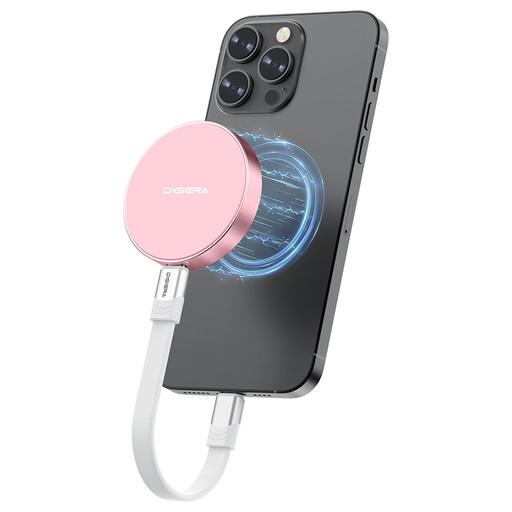
DigiEra LPS2000M-3 1TB magnetic portable SSD Pink
Consider this USB-C portable SSD if you move sizeable batches and its connection meets your devices' requirements.
The title specifies USB 3.2 Gen 2x2 and a maximum transfer figure of 2000MB/s. Check whether your host and cable support the required interface, and confirm file-system compatibility. Its stated iPhone compatibility is limited to the iPhone 15/16 series.
View on Joybuy
 No image available
Western Digital My Passport 2TB portable hard drive Black
Consider this external hard drive if you want to carry a sizeable collection of files between computers.
The title specifies 2TB. Before using it across Windows and macOS, confirm the supplied format and whether your setup requires additional software; also check that its usable capacity fits your batch.
View on Joybuy
Questions about moving files
What format should I use between a Windows PC and a Mac?
ExFAT is an option for Windows-and-Mac file exchange: Apple Support lists it as Windows-compatible on a Mac and recommends it for Windows volumes over 32GB. Copy existing files elsewhere before formatting, which erases the drive, and check any other intended device separately.
Will any USB-C charging cable transfer files from an Android phone?
No. Google Android Help warns that not every USB cable transfers files. For a phone-to-computer transfer, try a known data-capable cable, unlock the phone and select its file-transfer option; direct attachment of a portable drive also needs checking against the particular phone.
Should I eject a portable drive before unplugging it?
Yes. Microsoft advises safely removing USB flash drives and external hard drives to avoid data loss. Wait for copying to finish and use the operating system's eject control before disconnecting.
Does a ruggedness rating mean damage is covered by the warranty?
Not necessarily. Samsung says the T7 Shield's IP65 and drop-resistance claims come from controlled internal testing, while liquid, dust and drop damage are excluded from its warranty. Check the terms for the exact model you intend to buy.


