What matters when buying?
Start with the meal’s main purpose, then compare nutrition figures on the same basis and check whether the ingredients suit you.
| Concern | What to check | Who this matters to |
|---|
| Familiar carbohydrate base |
Compare carbohydrate per 100 g on the same dry or cooked basis, and check the ingredients. |
For regular training meals, I want a pasta I already know how to prepare and tolerate. About 40% of consumers put that familiar carbohydrate base first. |
| Everyday fibre |
Check that the pack says wholewheat or whole grain, and compare fibre on the same nutrition basis. |
For routine lunches and dinners, I would choose more fibre, while keeping ride timing in mind. Roughly 30% of consumers make everyday fibre their main concern. |
| Protein from pasta |
Compare protein and carbohydrate per 100 g on matching bases; read the ingredients and allergen statements. |
When putting together a meal after a ride, I may want the pasta itself to contribute more protein. About 20% of consumers prioritise that contribution. |
| Gluten avoidance |
Choose a clearly labelled gluten-free product when needed, and check the current pack’s ingredients and allergen information. |
If I need to avoid gluten, the label determines which pasta I can use, whatever the meal’s other aims. Approximately 10% of consumers place gluten avoidance and allergen checking first. |
Joybuy pasta selections
These dried-pasta selections cover familiar standard shapes, a wholewheat option for everyday meals and a gluten-free lasagne option. Choose by the meal you are making and check the individual pack before relying on its ingredients or cooking instructions.
 No image available
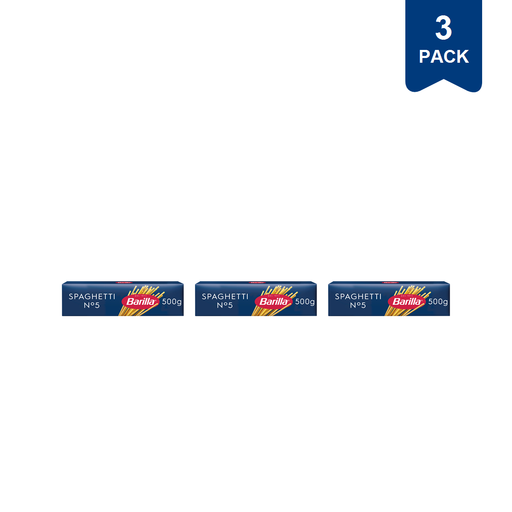
Barilla Spaghetti 500g (3 Packs)
A spaghetti option for a familiar pasta meal. The title specifies a three-pack, but check the total quantity on the listing before buying; also check the current pack if wheat or other allergens matter.
View on Joybuy
 No image available
Napolina Spaghetti 500g
A 500g spaghetti pack for a routine pasta meal. Check the current ingredients if you need to avoid wheat or gluten, and follow the pack’s cooking directions.
View on Joybuy
 No image available
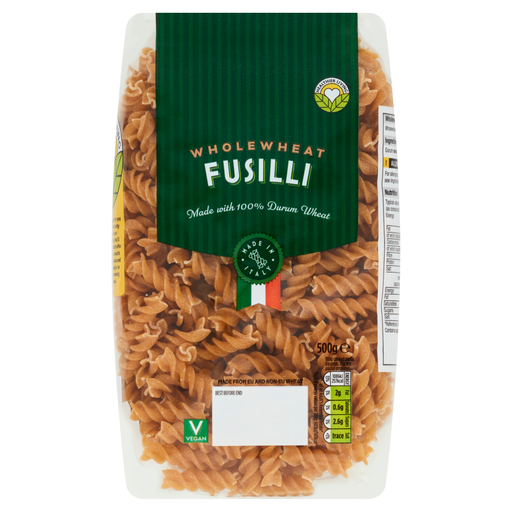
Morrisons Wholewheat Fusilli 500g
Wholewheat fusilli for shoppers choosing that pasta type for everyday meals. British Cycling advises against overdoing fibre before an early time trial; check the pack’s nutrition basis before comparing it with dry-pasta figures.
View on Joybuy
 No image available
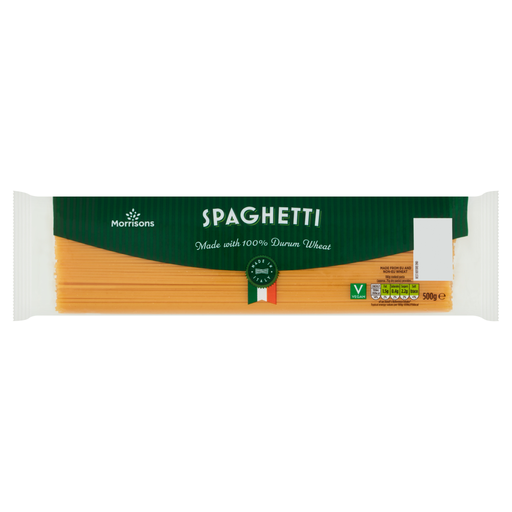
Morrisons Spaghetti 500g
A 500g spaghetti pack for a familiar meal. Read the current ingredients if wheat or gluten matters to you, and compare nutrition figures only with products using the same cooked or dry basis.
View on Joybuy
 No image available
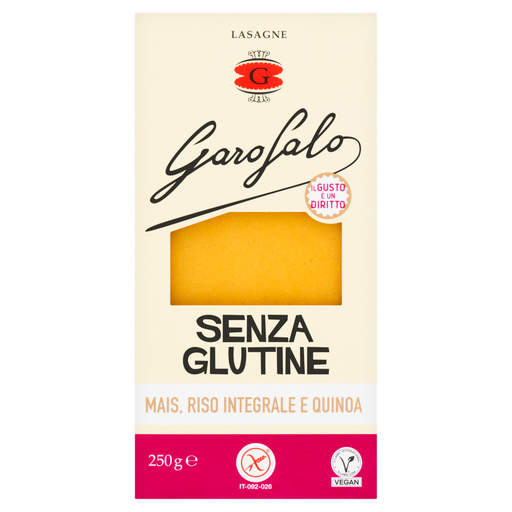
Garofalo Gluten Free Lasagne 250g
Gluten-free lasagne sheets for a pasta meal where avoiding gluten is the deciding requirement. Check the current pack’s ingredients, allergen and cross-contact information, and cooking directions before use.
View on Joybuy
Common questions
Is wholewheat pasta a good choice before an early ride?
Not automatically: British Cycling advises riders not to overdo fibre before an early time trial. Wholewheat can be an everyday choice, but use a meal and timing you know you tolerate when an early ride matters.
Can protein pasta take the place of standard pasta in a carbohydrate-focused meal?
Compare the particular products before treating them as interchangeable. Barilla declares 63 g carbohydrate and 20 g protein per 100 g dry for its cited Protein+ spaghetti, versus 71.2 g carbohydrate and 12.5 g protein for its cited standard Spaghetti N°5.
Do cyclists need gluten-free pasta?
Cycling alone does not make gluten-free pasta necessary. For someone who needs to avoid gluten, ordinary wheat pasta is not a substitute; the NHS identifies pasta containing wheat among foods that can contain gluten. Check that the chosen pack is clearly labelled gluten-free.
How should I check allergens on a pack of dried pasta?
Read the current ingredients list and allergen information for the exact product. GOV.UK guidance for UK prepacked food says allergenic ingredients must be emphasised in the ingredients list; an older online description should not replace the pack label.
Where should I store dried pasta?
Follow the individual pack’s instructions. The cited M&S and Sainsbury's products specify a cool, dry place, with Sainsbury's also advising storage away from strong light and odours.


