Organisers recording one storyteller
If one voice is the focus, a portable recorder with built-in microphones keeps setup straightforward. Put it close enough to capture speech clearly and make a short test recording before the session.


For one storyteller who can sit near the recorder, start by considering a handheld model with built-in microphones. If contributors need separate microphones and individually editable tracks, consider an XLR-equipped multitrack recorder instead. A 32-bit-float recording mode can help with changing vocal levels, but microphone placement still matters in an echoey or noisy room.
If one voice is the focus, a portable recorder with built-in microphones keeps setup straightforward. Put it close enough to capture speech clearly and make a short test recording before the session.
If you need to adjust a storyteller and facilitator independently afterwards, look for enough microphone inputs and recording tracks for both. A single blended room recording does not offer the same editing control.
If approaching the recorder would interrupt the storytelling, remote operation may matter more than extra microphone inputs. Roland describes wireless listening and remote control for its R-07; check whether that workflow suits your devices.
Choose when: One main storyteller can be recorded from a stable position nearby and a blended recording is sufficient.
Trade-off: The microphones also pick up room sound, and separate voices cannot be adjusted as they could on dedicated tracks.
Choose when: Two contributors need their own microphones or you need more control over their voices in editing.
Trade-off: Plan for compatible microphones, cables, stands and a more deliberate setup.
| Concern | What to check | Who this matters to |
|---|---|---|
| Clear speech in the room | Can the recorder or microphones sit close to the storyteller? Check mounting options and make a test recording in the rehearsal space. | If room reflections or other activity could obscure the words, I need the voice to remain understandable. Around 36% of consumers put speech intelligibility first. |
| Changing vocal levels | Confirm whether the exact model and recording mode support 32-bit float, and check how you will monitor and edit the files. | When delivery shifts from quiet to emphatic, I do not want a level-setting mistake to spoil the take. Around 29% of consumers prioritise that level safety. |
| Separate voices | Count the dedicated microphones needed, then check input types, track options and any required microphone power. | If a facilitator speaks alongside the storyteller, I need to adjust their voices independently afterwards. That editing control comes first for around 21% of consumers. |
| Starting and sustaining the recording | Check storage, power and package contents; if operating remotely, check device compatibility and the monitoring arrangement. | When I am also running the rehearsal, I need a setup I can start promptly and keep running. Ease of operation and readiness lead the choice for around 14% of consumers. |
According to Zoom and Tascam, their named handheld models offer 32-bit-float recording. That feature addresses recording levels; it cannot remove reflections or background sound captured by a distant microphone.
Position the recorder or microphones near the storyteller and listen to a test recording in the room.
A room recording gives less control over the balance between a storyteller, facilitator and interruptions than separately recorded microphones.
Count the voices that need independent control before choosing inputs and tracks. Zoom lists two XLR/TRS inputs on the H4essential; Tascam lists two XLR inputs on the Portacapture X6.
An XLR setup also calls for suitable microphones, cables and stands, plus time to position them.
A missing compatible card or usable power can prevent a recording from starting. Tascam’s DR-07XP manual identifies a microSD card and two AA batteries as items to account for.
Check the exact package contents, prepare compatible media and power, and record a short test before participants arrive.
The UK Intellectual Property Office explains that performers’ rights can restrict recordings of live performances. The Information Commissioner’s Office also distinguishes purely personal or household activity from processing to which UK GDPR may apply.
Agree with participants who may record, receive or share the file before the session. For organisational recording or planned publication, assess the applicable permissions and data-protection requirements for the particular use.
Zoom’s H1essential offers a compact built-in-microphone route; its H4essential adds external microphone inputs and separate tracks for a more involved setup.
The DR-07XP is a built-in-microphone stereo recorder; the Portacapture X6 provides an XLR-equipped multitrack route.
Roland’s R-07 is relevant when operating the recorder without entering the performance area is a priority.
These portable voice recorders are options to assess for a straightforward rehearsal-room recording. Check placement, recording functions and any need for separate microphone tracks against your session before choosing.
 No image available
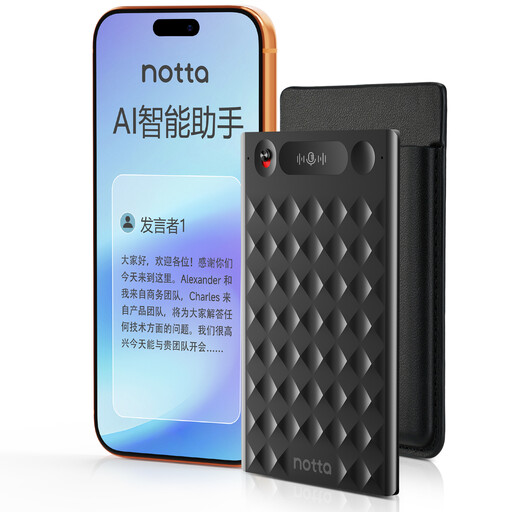
The one-press recording described in the product name may suit an organiser who needs to start a room recording promptly; test whether the chosen position captures the storyteller clearly.
The product name specifies 32GB and a case. If changing vocal levels or transcription matter to your workflow, check the recording mode and app requirements before relying on those functions.
 No image available
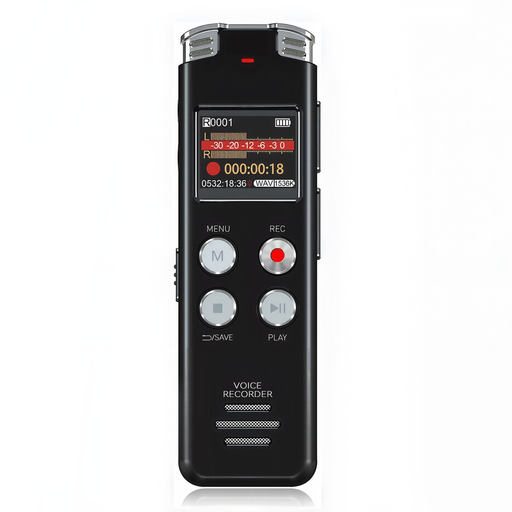
Consider this portable recorder for a rehearsal where one blended recording will suffice, then test speech clarity from its intended position.
The product name specifies 128GB and an LCD screen. If you need 32-bit-float recording or separate contributor tracks, confirm those functions for this model before purchase.
 No image available
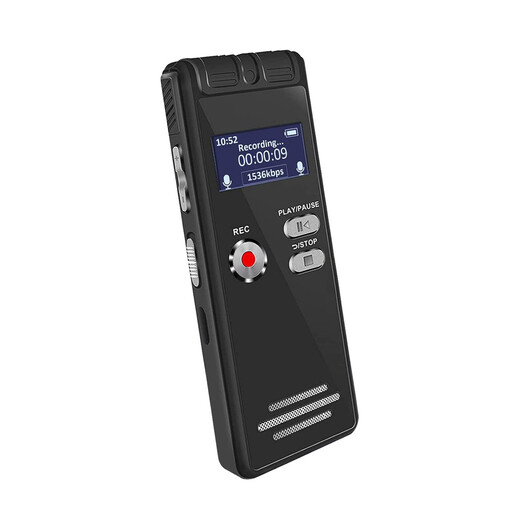
For a simple room recording, place this recorder near the storyteller and check a test file before the session.
The product name specifies 64GB and an LCD screen. Confirm how its storage works and whether a card comes with it; also check track options if you need to edit voices separately.
 No image available
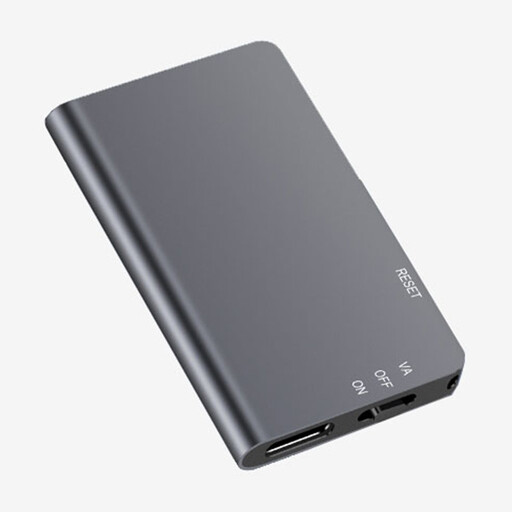
Its named one-touch recording function may suit a quick-start rehearsal setup, provided you can give the recorder a stable position close to the voice.
The product name specifies 64GB. Check the microphone arrangement, recording mode and package contents if room sound, changing vocal levels or a stand are important to your setup.
Choose XLR inputs when contributors need dedicated microphones and you want control over their voices in editing. Zoom specifies two XLR/TRS inputs for the H4essential, while Tascam specifies two XLR inputs for the Portacapture X6; check that the available tracks also fit your recording plan.
No. It can give you more latitude with recording levels, but it cannot remove room reflections or unwanted sounds already captured with the voice. Put the recorder or microphone close enough for speech to be clear and check a test recording.
Prepare suitable storage and power, a stable position and a way to check the recording. Tascam’s DR-07XP manual identifies a microSD card and two AA batteries as items to account for; an XLR setup also requires compatible microphones and cables, with stands where needed. Check the contents of the exact package you choose.
Agree the recording and its intended use with participants before the session. The UK Intellectual Property Office explains that performers’ rights can restrict recordings of live performances. If an organisation will use identifiable recordings, assess its data-protection obligations too; the Information Commissioner’s Office distinguishes that context from purely personal or household activity.