Existing-TV app upgraders
Your screen still works, but its built-in apps no longer meet your needs. Check each service you watch against the exact streaming device or TV platform: ITVX, for example, sets device and software conditions.


If your TV has a working HDMI input and you are happy with its screen, a streaming stick or box can refresh its apps without replacing the display. Consider a new TV when you also need a different screen, more inputs or integrated television features; whichever route you choose, check the exact apps, controls and picture formats you need.
Your screen still works, but its built-in apps no longer meet your needs. Check each service you watch against the exact streaming device or TV platform: ITVX, for example, sets device and software conditions.
You want to launch apps and control the TV without a complicated daily routine. Check whether the chosen remote can operate your particular TV’s power and volume controls.
You are considering 4K or HDR, a wired connection or an audio setup. A player’s features are only part of the decision: the TV, HDMI connections, content and network must also suit what you want to use.
Decide whether the screen itself needs changing before comparing streaming platforms. A stick keeps the setup compact; a box can suit a more permanent installation, while TV replacement addresses display and integrated-TV needs that an external player cannot.
Choose it when: Your existing TV has a usable HDMI input and you mainly want to refresh app access.
Bear in mind: It cannot change the TV’s screen, and its connection and remote features depend on the model.
Choose it when: You prefer a box-style setup or need a model with wired networking, such as Google TV Streamer or the Ethernet version of Apple TV 4K.
Bear in mind: Allow space and check the model’s cable, power and setup requirements; it still uses your existing screen.
Choose it when: You need a different screen size or picture, additional inputs or integrated aerial-TV features as well as streaming apps.
Bear in mind: A new smart interface does not guarantee that every app or programme feature will be supported.
| Concern | What to check | Who this matters to |
|---|---|---|
| Apps and broadcaster features | Check each essential service’s current supported devices, including the exact model and required software version. Confirm any live feature you rely on separately. | If a particular broadcaster app is the reason for upgrading, I need it to work on the device I choose, not just on the platform in general. About 38% of consumers put app and feature certainty first. |
| HDMI fit and controls | Check for a working HDMI input and whether the chosen remote can control your TV’s power and volume. | When the screen still suits me, I want an easy way to use new apps without making the remote routine harder. For about 31% of consumers, a straightforward existing-TV upgrade is the primary need. |
| Network, picture and audio | Compare the TV’s resolution and HDR support with the player, HDMI path and content; check whether your chosen model offers the network connection you need. | If Wi-Fi is unreliable by the TV or I want a particular picture or audio format, the whole setup matters. Reliable connectivity or those viewing features come first for about 16% of consumers. |
| Screen replacement | Decide whether a player would solve the app problem; if not, assess the new TV’s size, inputs and integrated features. | A streaming player will not fix a screen that no longer suits my room or viewing needs. About 15% of consumers primarily need a replacement display or integrated-TV hardware. |
ITVX lists support by device and software version, and says some live events are unavailable on some devices. A general “smart TV” label will not answer whether your household’s viewing works.
Check must-have apps and features on each provider’s current supported-device information before choosing a model.
Roku and Google describe requirements beyond the player, including a compatible display, content and connection. The applicable HDMI and cable requirements also matter.
Check your TV’s ports and formats, the chosen player’s requirements and any soundbar or receiver between them.
An appropriate HDMI cable or adapter may be needed; Google specifies a separately sold HDMI 2.1-certified cable for Google TV Streamer.
An HDMI streaming player can provide another app platform while keeping a screen you still like. A replacement TV is the relevant purchase when the display, inputs or integrated-TV features also need to change.
Check the existing HDMI input and your preferred player’s apps before deciding whether a new television addresses more than the software problem.
Roku offers HDMI streaming players as well as TVs with its platform built in.
Fire TV sticks suit households considering Amazon’s interface and Alexa voice search.
Google TV Streamer is a box-style route for an HDMI-equipped display, with Wi-Fi or Ethernet connection options.
Apple TV 4K is a set-top box for households that prefer tvOS and Apple’s device ecosystem.
These selections cover HDMI streaming sticks for keeping an existing screen and Google TV models for replacing the display. Check your essential apps on the exact device before choosing either route.
 No image available
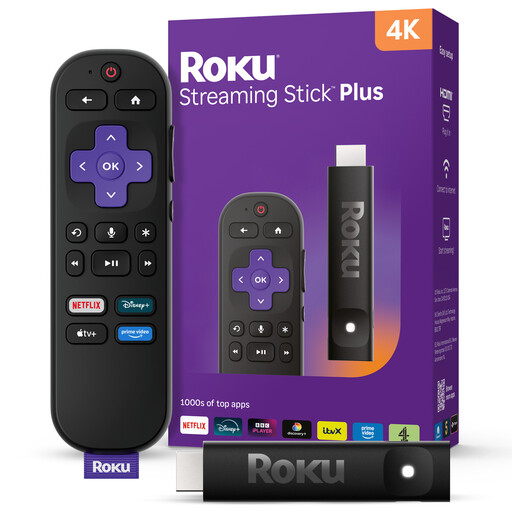
Consider this stick if you want to keep a TV with a working HDMI input while changing its streaming interface. Its listing identifies it as a 4K model; displaying higher picture formats still depends on your TV, HDMI setup and content. Check your essential apps for this exact device.
 No image available
This is another stick-format option for adding streaming to an HDMI-equipped TV. The listing identifies the 4KPlus variant; confirm its current app support and remote functions, and check the full TV and HDMI setup if 4K or HDR matters to you.
 No image available
Consider this model if you need a 65-inch replacement screen as well as an integrated Google TV interface. Its listed features include 4K HDR, up to 2048 local dimming zones and a 144Hz native refresh rate. Check its physical fit and support for the apps you use.
 No image available
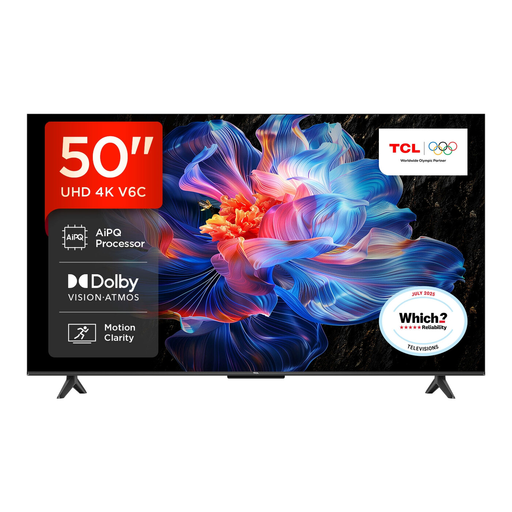
This replacement route combines a 50-inch screen with Google TV. The product name lists 4K HDR and Dolby Atmos, and qualifies its 120Hz Game Accelerator as FHD. Check the TV’s dimensions, connections and support for your essential streaming apps.
 No image available
Consider the 43-inch version if you are replacing the display and this size suits its intended position. Its product name lists Google TV, 4K HDR and Dolby Atmos; the stated 120Hz Game Accelerator is qualified as FHD. Confirm dimensions and app support for this model.
Yes, if the TV has a usable HDMI input and a compatible player supports the apps you need. Roku says its players connect to HDMI-equipped TVs; the player changes the streaming platform, not the screen’s resolution or HDR capability.
Not if your current TV supports the desired format and the rest of the setup is compatible. Roku identifies TV, HDMI and cable conditions for 4K playback; suitable content and a compatible player are also needed. An external player cannot make a non-4K screen display 4K.
Check the broadcaster’s current supported-device information for the exact model and software version before buying. ITVX, for example, lists platforms but also identifies model exclusions and firmware conditions for some Roku and NOW devices.
Keep its software updated and revisit the support information for services you regularly watch. ITVX’s stated firmware conditions for Roku and NOW devices illustrate why app availability can depend on software version, not just the device’s name.