Hosts running a self-serve drinks table
Concentrated cordial or squash can work when there is drinking water, space to mix it and enough cups. Use each bottle’s stated dilution and serving count to plan quantities.


Choose concentrated cordial or squash if you can provide water, equipment for mixing and cups, and want to plan servings using the bottle’s dilution instructions. Choose ready-to-drink canned multipacks if sealed individual portions matter more: they need no mixing, but they are soft drinks rather than cordial. For either format, check the exact pack’s serving information, ingredients and nutrition label before deciding how much to provide.
Concentrated cordial or squash can work when there is drinking water, space to mix it and enough cups. Use each bottle’s stated dilution and serving count to plan quantities.
Ready-to-drink cans provide sealed portions without mixing. Check the can count against the number of drinks you intend to offer; a canned soft drink is not concentrated cordial.
Keep the original packs available so guests can read the ingredients and allergen information for each flavour. Check the labels on the drinks you actually buy.
Choose when: You can run a self-serve station with water, mixing equipment and cups.
Allow for: Dilution and serving take preparation, and the drink is not individually packaged.
Choose when: Guests need sealed portions that can be handed out without mixing.
Bear in mind: These are soft drinks, not cordial; plan by the number of cans rather than a bottle’s diluted yield.
| Priority | What to check | Your needs |
|---|---|---|
| Number of servings | For concentrate, read the stated servings and dilution ratio; bottle volume alone is not a serving count. For cans, check the number and size of individual cans. | I’m planning a self-serve table and need to know how many diluted drinks the bottles are intended to make—or how many sealed cans to provide. |
| Serving setup | Check whether you can supply drinking water, jugs or dispensers and cups for cordial. Ready-to-drink cans need no dilution. | If mixing and serving space is limited, I’d rather hand out individual drinks. |
| Nutrition label | Compare the nutrition information for the drink as served: follow the label’s diluted-serving basis for cordial and check the can’s stated serving basis for a ready-to-drink drink. Read any sweetener information on the exact pack. | I want guests to be able to see what is in the portion they will drink, rather than compare a concentrate directly with a can. |
| Ingredients and allergens | Read the current ingredients and allergen information for every flavour. Keep the original packaging at the serving point. | Guests should be able to check a drink’s ingredients before taking it. |
A can is a ready-to-drink portion; cordial is a concentrate that must be diluted. The formats answer different serving needs.
Decide whether you want individual sealed drinks or a mixed, self-serve station before comparing pack quantities.
Tesco Groceries lists 100 stated servings at 1:19 dilution for its 1.5L Quadruple Strength Cherries & Berries Squash; ASDA Groceries lists 60 at 1:9 for its 1.5L Apple & Strawberry Squash. The stated yields differ despite the equal bottle volumes.
Use the exact bottle’s serving count and dilution instructions, then plan the water, mixing vessels and cups needed to serve it.
A description such as “no added sugar” does not replace the full ingredients and allergen information. The cited cordial and squash examples include products listing sweeteners or sulphites.
Check each purchased flavour’s current label and keep its packaging available for guests.
These examples illustrate label details worth comparing; they do not indicate which products are available in the Joybuy selection below.
A bottled cordial and squash reference for hosts considering diluted drinks.
An own-label squash example for comparing stated yield with dilution.
A retailer reference for comparing bottled cordial with ready-to-drink cans.
Own-label squash and cordial examples with different stated dilutions.
A bottled cordial reference for hosts choosing a flavour to dilute.
A cordial reference for comparing stated servings and dilution.
These canned soft drinks suit the no-mixing option for a street party. They are not concentrated cordial; compare their can counts, portion sizes and current labels with the drinks your guests need.
 No image available
A 24-can ready-to-drink option for handing out individual 330ml portions without mixing. It is a soft drink rather than cordial; check the current pack’s ingredients for guests with dietary requirements.
 No image available
This 24-can pack provides individual 330ml ready-to-drink portions. It is a soft drink, not cordial; check the current ingredients and nutrition label if the sugar-free variant or sweeteners matter to your guests.
 No image available
A pack of 24 individual 330ml cans for serving without dilution. This is a soft drink rather than cordial; read the current per-can nutrition and ingredients label when choosing drinks for guests.
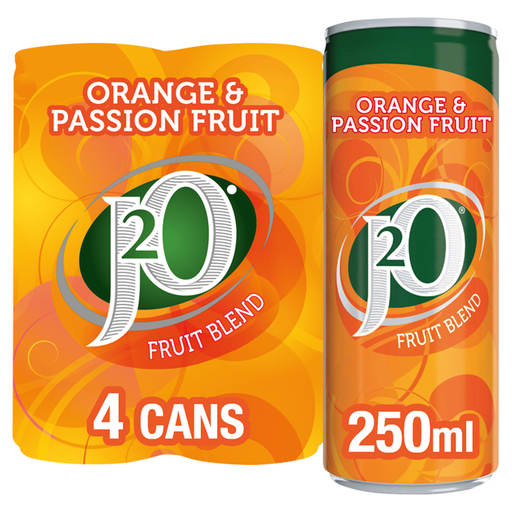 No image available
Four individual 250ml ready-to-drink cans may suit a smaller choice alongside other party drinks. This is not cordial; check how many portions you need and read the current can label for nutrition and ingredients.
No. The cordial and squash examples here are bottled concentrates intended for dilution, while the cited J2O multipack contains ready-to-drink cans. If sealed individual portions are essential, check canned soft drinks rather than assuming a cordial label describes that format.
Start with the exact bottle’s stated serving count and dilution instructions, then decide how many drinks you intend to serve. Tesco Groceries lists 14 servings for Robinsons Crushed Lime & Mint Fruit Cordial 500ml at 1:6 dilution, while its Quadruple Strength Cherries & Berries Squash 1.5L lists 100 servings; bottle size alone does not tell you the prepared yield.
Keep each drink’s original packaging available so guests can inspect its current ingredients and allergen information. This matters for both mixed cordial and cans, especially when you offer several flavours or formulations.