Who are these drinks for?
The choice turns on whether guests want carbonation, smoothie texture or both.
Hosts planning a fizzy drinks table
If fizz is essential, look for a drink explicitly described as sparkling or carbonated. A fruit flavour alone does not establish that it will be fizzy; compare the ingredients and serving format of the exact drink.
Hosts serving smoothie drinkers
A still smoothie gives guests a separate choice when they want a thicker fruit-and-vegetable drink. Innocent describes its smoothies as crushed fruit and vegetables, while Tesco lists smoothies separately from sparkling-drink options.
Organisers supplying drinks at a community event
Keep product packaging available so guests can check ingredients and allergens. Food Standards Agency community-event guidance for England, Northern Ireland and Wales says that supplying food may, depending on the activity, mean you are operating as a food business and need to register with your local authority.
What should you check before choosing?
Decide whether fizz is required, then compare labels and pack formats for the way drinks will be served.
| Priority |
What to check |
Your needs |
| Fizz or smoothie texture |
Look for “sparkling”, “carbonated” or “fizzy” on the exact drink. Check whether it is described as a smoothie or a sparkling juice drink, pressé or fruit water. |
If guests expect bubbles, I need a drink that explicitly provides them. I could offer still smoothies alongside it for people who prefer that texture. |
| Ingredients and nutrition |
Compare juice content, sugars on the same per-100 ml basis where available, and any sweeteners. “No added sugar” and “zero calorie” describe different things; read the full label. |
I want to see what is in each fizzy option before choosing between a juice drink, pressé and fruit water. |
| Serving format |
Check the volume and number of containers. A shared bottle needs cups; individual cans or bottles can be handed out separately. |
With cups on the table, I can serve from a larger bottle. For individual portions, I would choose a suitable single-serve pack. |
| Storage after opening |
Read the individual pack’s refrigeration and use-by-opening instructions. Sainsbury’s Shloer Light Zero listing and the M&S strawberry-and-elderflower pressé listing both specify refrigeration and use within 3 days after opening. |
I need a way to follow the chosen drink’s label once a shared bottle has been opened outdoors. |
| Allergen information |
Keep the original packaging accessible and check the current ingredients and allergen declaration. The M&S strawberry-and-elderflower pressé lists sulphites. |
Guests should be able to inspect the label before taking a drink, especially when bottles are poured into unlabelled cups. |
Relevant brands and retailers
These examples show the distinction between still smoothies and sparkling fruit drinks; each choice depends on its own label.
innocent
A still-smoothie reference for guests who want a fruit-and-vegetable drink rather than fizz.
- Innocent describes its smoothies as crushed fruit and vegetables with no added sugar.
- That smoothie description does not establish a sparkling option; choose a separately labelled sparkling drink if fizz matters.
Tesco
Tesco Groceries lists still smoothies and sparkling drinks as distinct shopping options.
- Its smoothie listing includes 750 ml options, while its sparkling-drink results include fruit drinks and pressés.
- Check the individual product label rather than assuming that a drink listed alongside fruit products is carbonated.
Sainsbury’s
Its cited listings include sparkling fruit drinks in multipack and shared-bottle formats.
- Sainsbury’s lists Rubicon Sparkling Passionfruit in 6 × 330 ml cans and Shloer Light Zero White Grape in a 750 ml bottle.
- Their disclosed formulations differ: the Rubicon listing includes sugar and sweetener, while the Shloer listing includes sweetener. Neither is described as a smoothie.
M&S
Its cited sparkling options include an individual fruit-water can and a shared-bottle pressé.
- M&S lists a 330 ml pineapple-and-passion-fruit sparkling spring water and a 750 ml strawberry-and-elderflower pressé.
- The cited pressé contains sulphites and specifies refrigeration and use within 3 days after opening; check the current pack before serving.
Sparkling fruit drinks on Joybuy
These Joybuy options are fizzy fruit drinks for guests who want carbonation, with individual-serving packs and a shared-bottle option. They are alternatives to, not examples of, still smoothies.
 No image available
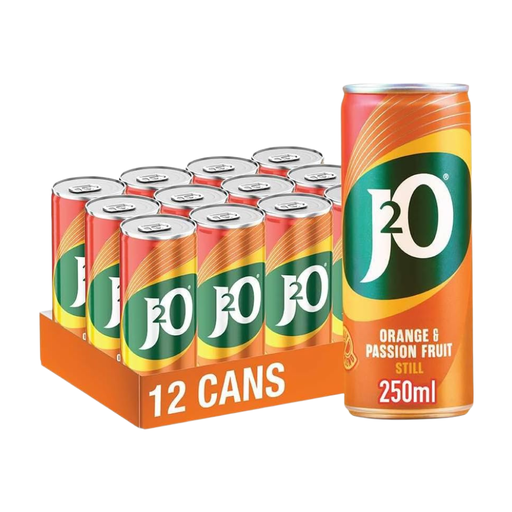
J2O Orange & Passion Fruit 12 × 250 ml
The 12 individual 250 ml containers suit a drinks table where guests take their own portion. This is a sparkling soft drink, not a smoothie; check the label for its sweetener and after-opening instructions.
View on Joybuy
 No image available
Tango Apple Sugar-Free 24 × 330 ml Cans
This multipack provides individual 330 ml cans for a larger group. It is a fizzy apple soft drink rather than a smoothie; check the sweetener declaration and handle the pressurised cans according to the pack.
View on Joybuy
 No image available
Appletiser 100% Apple Juice Lightly Sparkling 6 × 250 ml
Six 250 ml cans offer individual servings for guests who want lightly sparkling apple juice. This is juice rather than a smoothie; compare its sugars information with the other drinks you are considering and follow the pack’s storage directions.
View on Joybuy
 No image available
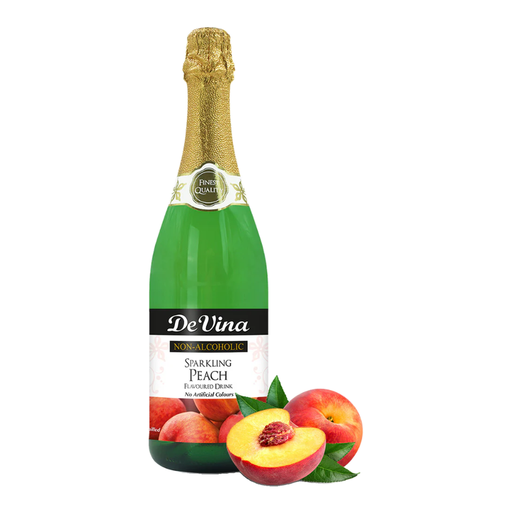
De Vina Sparkling Peach 750 ml
The 750 ml bottle suits a shared drinks table with cups. This sparkling peach drink is not a smoothie and contains sulphites; keep its packaging available for guests and refrigerate it after opening, using it within 3 days.
View on Joybuy
 No image available
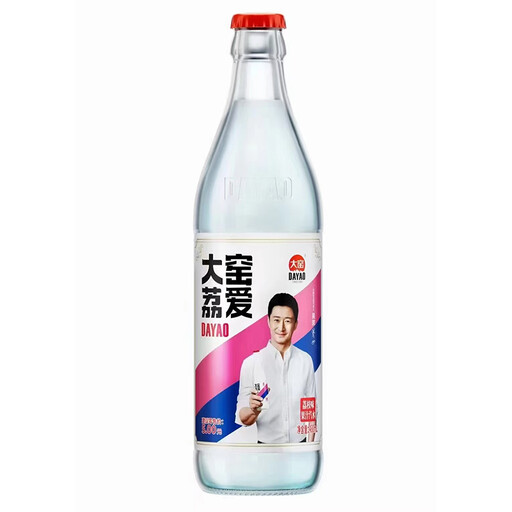
Dayao Lychee Flavor Fruit Juice Soda 480 ml
This 480 ml fruit-juice soda provides another fizzy option rather than smoothie texture. Its ingredients include sweeteners, including aspartame; retain the label so guests can check the full ingredients before taking a drink.
View on Joybuy
Street-party drink questions
Are sparkling fruit drinks the same as smoothies?
No: the cited Tesco listings separate smoothies from sparkling drinks, and innocent describes its smoothies as crushed fruit and vegetables. Choose an explicitly sparkling drink when guests expect fizz; offer a still smoothie separately if they want that texture.
Should I choose shared bottles or individual cans?
Choose a shared bottle if you have cups and can manage the product’s storage instructions after opening. Individual cans make portions easier to hand out, but check their pack directions and handle pressurised containers accordingly.
Do sparkling fruit drinks need refrigeration after opening?
Follow the exact drink’s label. The cited M&S strawberry-and-elderflower pressé and Sainsbury’s Shloer Light Zero listings both say to refrigerate after opening and consume within 3 days; that instruction should not be assumed for every sparkling drink.
How can guests check allergens at the drinks table?
Keep the original packaging accessible, particularly when pouring drinks into cups. Check each current label: the cited M&S strawberry-and-elderflower pressé, for example, declares sulphites. Organisers operating as food businesses should also check the allergen requirements that apply to their activity.
Do I need to register to supply drinks at a street party?
Registration depends on whether your activity is considered a food business. Food Standards Agency community-event guidance for England, Northern Ireland and Wales says that selling or supplying food may require local-authority registration; its registration guidance says to register at least 28 days before food operations start when registration is required. Check your activity with the relevant local authority, including if the event is in Scotland.


