Hosts serving guests over time
Individually portioned sticks can be handed out without scooping. Tubs make more sense if someone can staff a serving point and provide bowls and clean utensils.


For a street party, choose individual sticks if guests will collect portions over time and you can keep reserve packs frozen; mini cups offer individual servings but still need spoons. Choose shared tubs when you can run a serving point with frozen storage, bowls and clean utensils. Whichever format you use, keep the packaging available so guests can check ingredients and allergens.
Individually portioned sticks can be handed out without scooping. Tubs make more sense if someone can staff a serving point and provide bowls and clean utensils.
Keep each option clearly identified and retain its packaging for ingredient and allergen checks. A separately labelled vegan or plant-based option adds a choice, but its label still needs checking.
Sticks and mini cups make it easier to count portions before guests arrive. Mini cups need spoons; sticks avoid that serving step.
Choose when: Guests will collect dessert at different times and you want to hand out one portion at a time.
Allow for: Frozen storage for reserve packs and an allergen check for each product.
Choose when: You want individual portions in a cup rather than a stick.
Allow for: Spoons and the packaging left after serving.
Choose when: A host can serve guests from a table in batches.
Allow for: Bowls, clean scoops and time to portion each serving.
| Priority | What to check | Your needs |
|---|---|---|
| Serving format | Check the number and size of individual portions, or the tub volume. Plan how guests will collect or be served dessert. | I want guests to collect a portion without waiting for someone to scoop from a shared tub. |
| Ingredients and allergens | Read the exact product label and keep the packaging available at the event. Check a vegan or plant-based choice separately rather than assuming it suits every allergy. | Guests need to see what is in each option before choosing it. The Food Standards Agency advises retaining prepacked-food packaging at community events for ingredient checks. |
| Frozen storage | Check each pack’s storage instructions and the frozen space available before and during service. Magnum states −18°C for its Classic six-pack. | I need somewhere to keep reserve portions frozen while guests arrive. |
| Choice and equipment | Check the flavours in the exact pack, then count the spoons, bowls and serving utensils its format requires. | Some guests may want different flavours, but I also need a serving setup I can manage. |
A stick is handed out as a portion; a tub needs someone to serve it with utensils.
Decide how guests will receive dessert before choosing a flavour or pack.
Tubs also require bowls, spoons or scoops, and time at the serving point.
A dietary label does not replace the ingredient and precautionary allergen information for the exact product.
Keep a separate option identifiable, retain its packaging and let guests check its label.
The Magnum Classic six-pack, for example, states storage at −18°C. A serving plan needs to account for the instructions on each chosen pack.
Count portions in advance and take reserve packs out of frozen storage as they are needed.
The Department for Education’s school-food guidance concerns food and drink provided in state-funded schools in England. Food Standards Agency guidance addresses food provided at community events, including street parties.
Check the rules for the actual event setting rather than treating a school-food condition as a blanket restriction on street-party ice cream.
Its Classic six-pack is an example of an individual stick format for handing out portions.
The UK range presents shared tubs and mini-cup multipacks as separate formats.
The brand identifies a certified-vegan Non-Dairy tub range for guests seeking a vegan option.
Its online ice-cream tub category provides different volumes for a shared serving point.
Its ice-cream range includes sticks and non-dairy Plant Kitchen options; its soy vanilla ice cream is a tub option.
These options cover individual bars, mini tubs, mochi pieces and a shared-tub pack. Match the serving format to your storage space and the way guests will receive dessert.
 No image available
The six portions suit a plan to hand out one ice cream per guest without scooping. Magnum specifies storage at −18°C and says this product may contain almond and pistachio; keep its packaging available for allergen checks.
 No image available
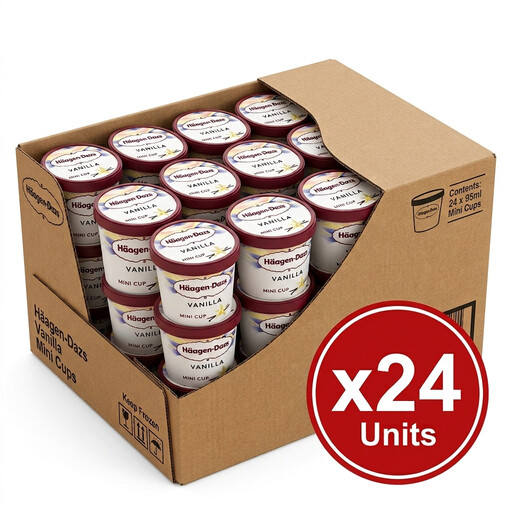
A case of individual mini tubs avoids serving from a shared container. Plan for spoons, follow the pack’s frozen-storage instructions and keep its allergen information available.
 No image available
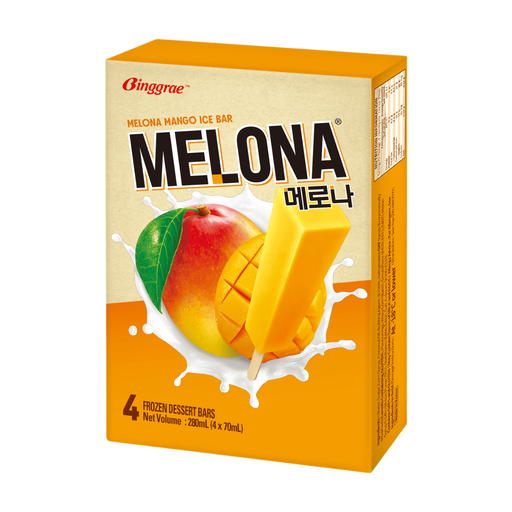
The four-bar pack is another way to count portions for direct handout. Check the exact pack’s allergens and storage instructions before serving.
 No image available
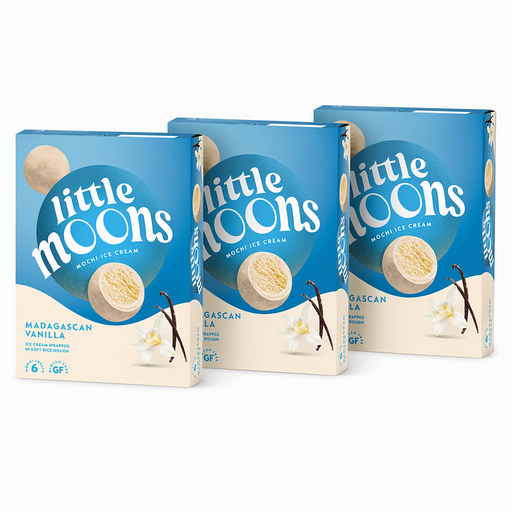
Mochi offers a small-piece option rather than a stick or shared scoop. Confirm the pack quantity and serving count before planning portions, and check the exact pack’s serving and allergen instructions.
 No image available
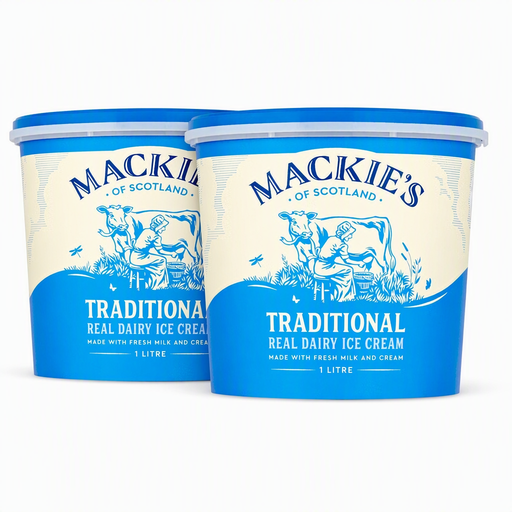
These two tubs suit a staffed serving point rather than direct handout. Arrange frozen storage, bowls and clean utensils, and keep the ingredient information available to guests.
Choose sticks if guests will collect individual portions over time. Choose tubs if you can keep them frozen and staff a serving point with clean scoops, bowls and a way for guests to check allergens.
Yes. The Food Standards Agency advises keeping prepacked-food packaging at community events so guests with food hypersensitivities can check the ingredients.
No: a vegan label does not answer every allergen question. Let guests check the ingredients and precautionary allergen information on the exact tub.
Follow the instructions on the exact pack and keep reserve portions frozen until needed. Magnum specifies −18°C for its Classic six-pack; check other products’ labels individually.
No: the event setting matters. The Department for Education’s school-food guidance covers food and drink provided in state-funded schools in England, while Food Standards Agency guidance addresses food at community events such as street parties. Check the requirements for the actual setting before making a compliance decision.