Hosts serving a mixed-age group
Work out how many glasses you plan to pour, then compare the stated number and size of prepared servings. A bottle’s concentrate volume alone will not tell you how many jugs it makes.


For a street party, choose squash by its stated number of prepared servings and dilution instructions, rather than bottle size alone: Sainsbury’s lists 70 diluted 250ml servings for Robinsons Double Strength Lemon 1.75L, while Waitrose lists 40 for Vimto No Added Sugar Squash 2L. Check sugars in the drink as served and the current ingredient label, because “no added sugar” does not mean sugar-free or sweetener-free. The Food Standards Agency also recommends keeping packaging at community events so guests can check ingredients.
The serving setup and guests’ ingredient needs determine which bottle details matter most.
Work out how many glasses you plan to pour, then compare the stated number and size of prepared servings. A bottle’s concentrate volume alone will not tell you how many jugs it makes.
Check the current label of each flavour for relevant ingredients, including sweeteners and sulphites. Keep its packaging where guests can inspect it; “no added sugar” is not an allergen declaration.
Large bottles can be mixed for a central drinks table if someone can measure the dilution. A mini format may be easier to carry around, but check its stated servings before using it to plan drinks for a crowd.
Set a serving size and estimate guest numbers first. Then compare yields at the dilution specified for each exact squash, alongside its ingredients and nutrition as served.
| Priority | What to check | Your needs |
|---|---|---|
| Prepared servings | Find the stated serving count, serving size and dilution ratio on the exact product. Compare bottles using the same prepared serving size. | I need enough glasses for the guests expected, allowing for any other drinks on the table. |
| Sugars and sweeteners | Read “of which sugars” for the diluted drink and check the ingredient list for sweeteners. UK legislation’s no-added-sugar claim condition concerns added sugars; it does not state that total sugars are zero. | I want guests to be able to distinguish a no-added-sugar claim from the sugars and sweeteners in the drink they will actually have. |
| Ingredient information | Check each current bottle’s ingredients for substances relevant to guests, and keep its packaging by the serving point. The Food Standards Agency recommends retaining packaging at community events for ingredient checks. | Anyone avoiding a particular ingredient should be able to identify which squash is in each jug. |
| Serving format | Compare the prepared servings of a large concentrate with those of a mini pack; check how each is meant to be diluted. Robinsons describes its Summer Fruits Mini as a 20-serving pack. | A central drinks table calls for measured jug preparation; for drinks carried around, I may prefer a compact format. |
A larger bottle need not make more drink. Sainsbury’s lists 70 prepared 250ml servings at 1 part concentrate to 9 parts water for Robinsons Double Strength Lemon 1.75L; Waitrose lists 40 servings at 1 part Vimto No Added Sugar Squash 2L to 4 parts water.
Use each exact product’s dilution instructions and stated serving size to estimate the number of bottles needed.
The claim concerns added sugars, not whether fruit-derived sugars remain. The cited Robinsons and Vimto listings also identify sweeteners.
Check ingredients and compare the “of which sugars” value for the prepared drink, using matching serving sizes where possible.
Guests cannot check a jug for its ingredients. The Food Standards Agency recommends keeping prepacked-product packaging at community events so people with food hypersensitivities can inspect it.
Keep each bottle beside its drink and label jugs clearly rather than mixing different squashes in an unmarked container.
Marks & Spencer advises checking the product label because product information can change. This matters particularly when choosing for guests who avoid specific ingredients.
Read the physical bottle before mixing and keep that label available while serving.
These examples show how particular squash lines differ; check the exact flavour and format rather than assuming every product from a brand has the same ingredients or yield.
The cited Lemon double-strength bottle and Summer Fruits Mini offer different ways to plan servings.
Waitrose lists a 2L No Added Sugar Squash diluted at 1 part concentrate to 4 parts water.
Its cited Orange Squash is a double-strength, no-added-sugar product described by Marks & Spencer as containing 20% orange.
Waitrose lists own-label no-added-sugar high-juice flavours alongside branded squash.
These concentrates offer bottle and multipack options for preparing drinks at a street-party serving table. Check each pack’s dilution instructions before deciding how many to use.
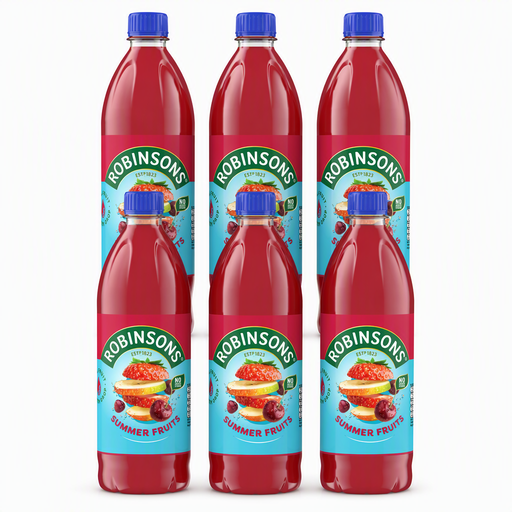 No image available
The six-bottle pack can be prepared in batches for a central drinks table. Check the pack’s dilution directions before working out the prepared yield.
The listed ingredients include aspartame, saccharin and sulphites; keep the current label available for guests.
 No image available
This 1L orange concentrate is an option for a separately labelled jug. Read the bottle’s dilution instructions to plan how many prepared servings it will make.
The listing identifies sweeteners and sulphites; check its current label before serving.
 No image available
The single 1L bottle offers a summer-fruit flavour for a drinks table. Check the current pack for dilution and prepared servings before using it in your quantity estimate.
The listing identifies sweeteners and sulphites; retain the label for guests to inspect.
 No image available
This 1.5L blackcurrant concentrate is another flavour for a central serving point. Check its prepared serving count and the basis of any nutrition figures before comparing it with other bottles.
The listing identifies sodium bisulphite and sweeteners and says the product is not recommended for children under 3. Check and retain the current label.
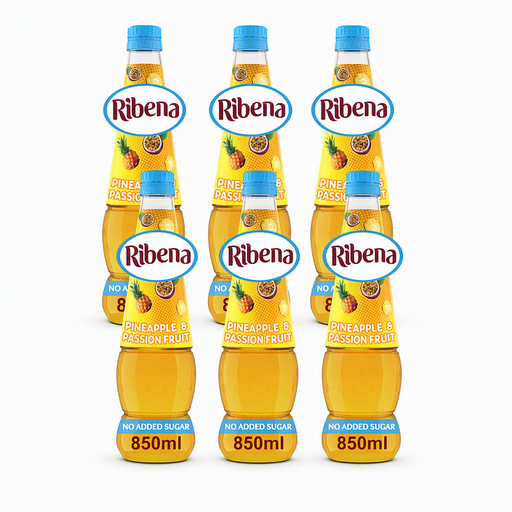 No image available
This six-bottle pack provides a pineapple and passion fruit option for preparing drinks in batches. Check the pack’s dilution instructions and compare nutrition for the drink as prepared, rather than for undiluted squash.
The listing identifies sweeteners and sulphites; keep the current label available at the serving table.
No. The no-added-sugar claim condition in UK legislation concerns sugars added to the product; naturally occurring fruit sugars may remain. Read “of which sugars” for the diluted drink and check ingredients separately for sweeteners.
Start with guest numbers and the size of glass you plan to serve, then use each bottle’s stated prepared servings at its recommended dilution. Sainsbury’s lists 70 diluted 250ml servings for Robinsons Double Strength Lemon 1.75L, whereas Waitrose lists 40 for Vimto No Added Sugar Squash 2L. Account for other drinks rather than equating bottle size with yield.
Yes. The Food Standards Agency recommends keeping prepacked-product packaging at community events so guests with food hypersensitivities can check ingredients. Keep each label identifiable with its corresponding jug.
No. Ingredients differ by product and flavour: the cited Robinsons Lemon and M&S Orange squashes list sulphites, while the cited Vimto squash lists sweeteners and contains naturally occurring fruit sugars. Check the current label of the exact bottle being served against guests’ ingredient needs.