Teams that take chai with milk
If the shared-kitchen brief calls for black tea and noticeable spice after milk is added, look for an explicitly strong black-tea blend. Try it at the maker’s stated brewing time before ordering a larger pack.


For an office that wants a noticeable black-tea chai with milk, start with blends explicitly described as strong, such as teapigs Chai or Tea India Masala Chai, and try a pack using the mugs and milk normally available at work. Extra spice does not establish a stronger tea base; if colleagues also want to avoid caffeine, keep a clearly labelled herbal chai as a separate option.
If the shared-kitchen brief calls for black tea and noticeable spice after milk is added, look for an explicitly strong black-tea blend. Try it at the maker’s stated brewing time before ordering a larger pack.
Stock black-tea chai and a separately labelled caffeine-free spiced infusion if colleagues want both. A herbal chai-style drink is not the same choice as a strong black-tea brew.
Check the number of bags or sachets in each pack and whether the brewing instructions are practical for the office kitchen. Those details help when planning replenishment and keeping preparation straightforward.
Decide whether the main requirement is strong black-tea chai, a spiced black-tea cup without an explicit strong claim, or a separate caffeine-free drink. Then check the exact pack and its preparation instructions.
Choose when: colleagues want black tea and spice to remain noticeable in a chai made with milk; teapigs and Tea India both describe their Assam-based blends as strong.
Bear in mind: “strong” is not a standardised measure across brands, so the intended mug and milk amount still matter.
Choose when: a black-tea chai appeals, but an explicit strong claim is not essential; Sainsbury’s Taste the Difference Chai and Twinings Classic Chai are examples.
Bear in mind: their stated black-tea percentages and brewing times do not establish which finished cup will taste stronger.
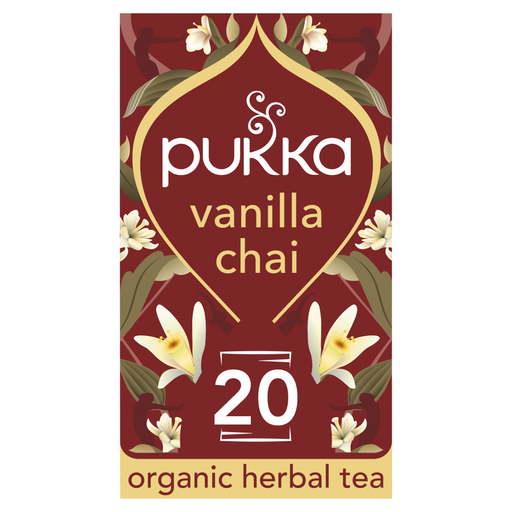
Choose when: the office needs a chai-style choice for colleagues avoiding caffeine; Pukka Vanilla Chai is labelled as a caffeine-free herbal infusion.
Bear in mind: a herbal infusion serves a different need and should not replace the black-tea option if that is what the office wants.
| Priority | What to check | Your needs |
|---|---|---|
| Tea and spice flavour | Check for a black-tea base, the maker’s flavour description and its brewing instructions. Assess the drink with the milk amount normally used in the office. | I want the tea and spices to remain noticeable after adding milk, rather than choosing on an “extra spice” description alone. |
| Shared-kitchen preparation | Check whether the pack uses bags or sachets and note its stated infusion time. Teapigs specifies 3+ minutes; Tea India gives a 3–5 minute water-brewing method and a separate simmering-milk method. | A straightforward method matters when different colleagues make their own cups with the same kettle and mugs. |
| Caffeine choice | Read the exact product type and ingredients: black-tea chai and a labelled caffeine-free herbal infusion are different options. | Some colleagues want black-tea chai; others would choose a spiced drink without caffeine. I need both choices to be clearly identified. |
| Ingredients and additions | Review the current label for the exact variant. Check milk, dairy-free alternatives or other additions separately when they are supplied with the tea. | Before stocking a shared shelf, I need ingredient and allergen information that applies to the packs and accompaniments being served. |
A bold spice description tells you about the intended flavour, not how much tea body the finished drink will have, especially once milk is added. Twinings describes Ultra Spice as robust and bold-spiced, but that wording is not a cross-brand strength measurement.
Check for a black-tea base and follow the pack’s brewing instructions, then try a small pack with the office’s usual mug and milk amount.
Pukka Vanilla Chai is a caffeine-free herbal infusion, while Pukka Original Chai and teapigs Chai contain black tea. Choosing by the word “chai” alone can result in the wrong type of drink for the shelf.
If both preferences matter, label and stock the black-tea chai and caffeine-free alternative separately.
The ingredient information needed by colleagues applies to the product and variant currently being served. Milk or other accompaniments also need to be considered separately.
Check the current pack label when changing flavour, format or supplier, and keep the relevant ingredient and allergen information accessible.
These examples show how black-tea, spice-led and caffeine-free chai options differ; a brand name alone does not establish how strong a particular cup will taste.
Its Assam black-tea chai is described by teapigs as “strong and spicy” and suited to plenty of milk.
Its 40-bag Masala Chai is an Assam black-tea blend described on Sainsbury’s product page as a strong cup of chai.
Classic Chai and Chai Ultra Spice offer distinct black-tea chai choices within the Twinings range.
The two Pukka chai products considered here serve different caffeine preferences.
Clipper lists a 20-bag Organic & Fairtrade Indian Chai black tea.
These supermarket chai packs offer bag-count and brewing details to check when planning a shared tea shelf.
This option is for an office tea shelf that needs a separate caffeine-free spiced drink alongside any black-tea chai.
 No image available
A caffeine-free, spiced herbal infusion for colleagues who want a separate chai-style option. The pack contains 20 sachets; it is not a strong black-tea chai. Check the pack’s preparation instructions if the office needs a consistent brewing method.
Start with the brewing instructions for the exact pack and assess the cup before adding the office’s usual amount of milk. teapigs specifies 3+ minutes for its Chai, while Tea India and Sainsbury’s give 3–5 minute ranges for their respective chai bags; changing the preparation may change the flavour, but it does not make one product objectively stronger than another.
No: spice intensity and black-tea body are different considerations. Check whether the blend contains black tea, then try it with the intended brewing time, mug and milk amount rather than choosing solely by a bold-spice description.
No. teapigs says its Assam black-tea Chai naturally contains caffeine, whereas Pukka Vanilla Chai is labelled a caffeine-free herbal infusion. Check the exact variant when buying for colleagues with different preferences.
Read the current label for each exact tea variant and check any milk, dairy-free alternative or other accompaniment separately. The UK Food Standards Agency says retail and catering food businesses must provide allergen information for prepacked and non-prepacked food and drink; an office buyer should not rely on an earlier order’s ingredient list when stocking a shared shelf.