Households making several coffees a day
A larger bag can mean fewer repeat purchases, provided the household will use the beans promptly and can store them well after opening.


Choose beans for the flavour your household wants, then check that the pack size suits how quickly you use them. An extra-dark roast or an intensity rating can help describe taste, but neither tells you how much caffeine will be in a cup. A 1kg bag is more practical when several people make coffee regularly and the opened beans can be stored well.
A larger bag can mean fewer repeat purchases, provided the household will use the beans promptly and can store them well after opening.
Compare the stated roast and flavour notes if you want a smoky or full-bodied cup. Lavazza UK explains that its intensity terminology describes aroma and body, not caffeine content.
Choose flavour and caffeine considerations separately. An intensity label cannot tell someone monitoring their intake how much caffeine their brewed serving contains.
Start with the taste everyone will drink, then match the whole beans to your brewer and the pack to your household’s rate of use.
| Priority | What to check | Your needs |
|---|---|---|
| Flavour strength | Read the roast description and flavour notes. Treat an intensity score as a brand-specific taste guide, not a caffeine figure; Lavazza UK describes intensity in terms of aroma and body. | I want a bold cup, but need to know whether smoky, peppery or full-bodied notes will suit the people sharing the bag. |
| Caffeine | Check the bean blend and any product-specific caffeine information. Waitrose & Partners notes that Robusta can contain up to twice as much caffeine as Arabica; roast colour alone does not establish the amount in a cup. | Someone in the household monitors caffeine, so a dark or intense flavour label is not enough to make that choice. |
| Pack size | Compare 200g, 500g and 1kg with how much coffee you actually use. Check the pack’s storage and use-after-opening instructions; Waitrose & Partners advises using its own Espresso Beans within two weeks of opening. | Fewer repeat purchases would help, provided we can finish and store a larger bag without leaving it open for too long. |
| Brewing equipment | Confirm that you have a grinder or bean-to-cup machine. Match the grind to the brewing method and check any method guidance for the particular beans. | Our current brewer needs to work with whole beans, or we need a way to grind them before brewing. |
A darker-tasting coffee does not give a predictable caffeine amount per cup. That distinction matters when anyone sharing the coffee monitors their intake.
Use roast and flavour descriptions for taste, and check product-specific caffeine information or an explicit decaffeinated label when caffeine is the deciding factor. The NHS advises no more than 200mg of caffeine a day during pregnancy, counting all sources.
A large bag means more beans are exposed each time it is opened, and the coffee may lose aroma before the household finishes it.
Estimate your usual use before choosing a size. Store opened beans in airtight portions and follow the particular pack’s instructions.
Whole beans need grinding before use unless the machine grinds them itself. An unsuitable grind can also affect the brewed result.
Check your equipment and the recommended brewing methods before ordering beans for espresso, filter coffee or a cafetière.
Someone seeking smoky, peppery coffee may be sharing the bag with people who prefer a different flavour.
Compare the flavour notes together, or try a smaller pack before committing to a larger quantity.
Taylors describes Hot Lava Java as a smoky, peppery extra-dark coffee. Its 200g pack offers a smaller commitment when testing that flavour.
illy lists Intenso whole beans in a 500g pack, with a 7/9 intensity rating and cocoa and dried-fruit notes.
Lavazza UK explains coffee intensity through aroma and body. A product’s own roast and blend details still matter when choosing between its beans.
Union describes its House Roast as a bold everyday coffee. That description is useful for considering flavour, rather than establishing it as an extra-dark roast.
Waitrose & Partners gives product-specific storage guidance for its Espresso Beans, advising airtight storage and use within two weeks of opening.
These whole-bean options include smaller packs for trying a stronger-tasting coffee and 1kg bags for households that use beans regularly. Their names and pack sizes do not establish caffeine content.
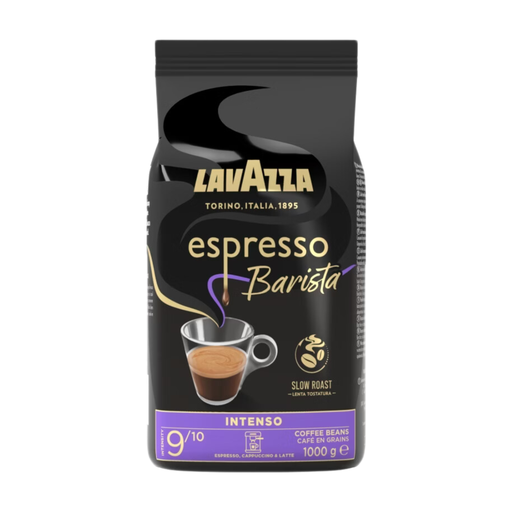 No image available
A 1kg option to consider if the household uses beans regularly. “Intenso” in the name does not establish the caffeine content; check the pack if that affects your choice.
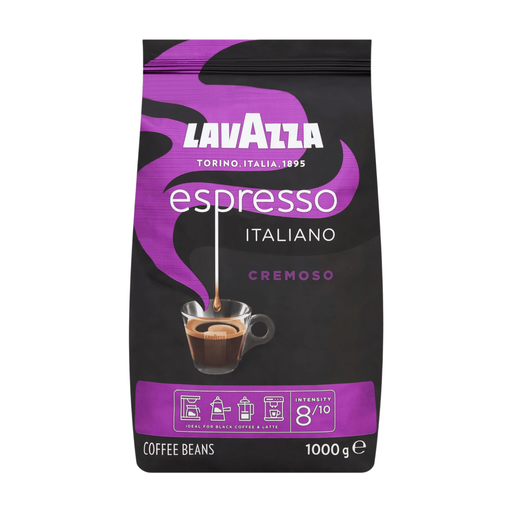 No image available
Its 1kg size is worth considering when several people use whole beans regularly. Check the pack’s flavour, brewing and caffeine information against your household’s needs.
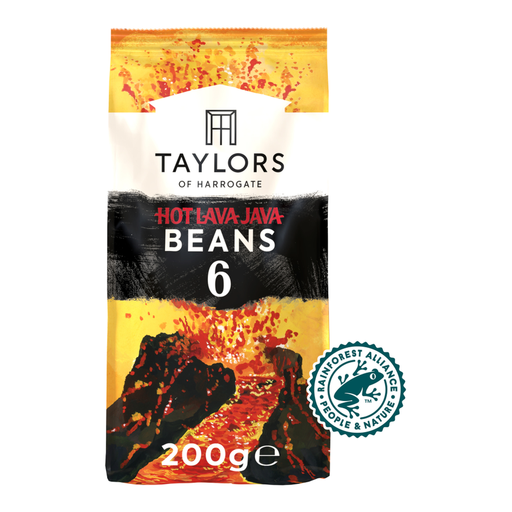 No image available
A smaller pack for a household trying an extra-dark flavour before buying more. Taylors of Harrogate describes Hot Lava Java as smoky and peppery; the 200g size may mean more frequent purchases in a busy household.
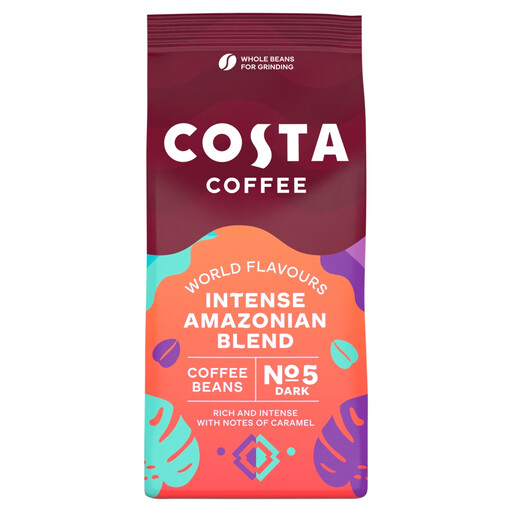 No image available
The 200g pack limits the commitment when trying the dark-flavour profile named on this coffee. Check its pack details rather than treating “Intensely Dark” as a caffeine figure.
 No image available
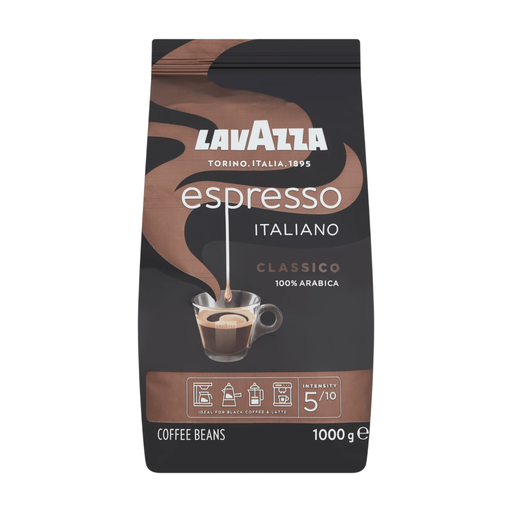
A 1kg whole-bean option for regular household use. If an extra-dark roast or a particular caffeine amount is essential, check the product’s pack details before choosing it.
Not necessarily: roast and intensity descriptions are not standard measures of caffeine per cup. Lavazza UK describes intensity in terms of aroma and body, while Waitrose & Partners notes that Robusta can contain up to twice as much caffeine as Arabica. Check the particular coffee and how you prepare it when caffeine matters.
Consider 1kg when the household makes coffee often enough to use the opened beans promptly and can store them well. Follow the pack’s instructions: Waitrose & Partners advises airtight storage and use within two weeks of opening for its own Espresso Beans.
No. You need a grinder, a bean-to-cup machine or another suitable way to grind the beans before brewing. Check your equipment and use a grind suited to your brewing method; a pod-only machine needs compatible pods.
No: an extra-dark label describes roast character, not the caffeine in a serving. The NHS advises no more than 200mg of caffeine a day during pregnancy from all sources, so check product and serving information rather than relying on the roast name.