Sellers making espresso-style drinks
Choose beans for the espresso, americanos or milk drinks you plan to serve. Check that the bag size fits the number of drinks you expect to make and that you can grind the beans on site.


For espresso-style drinks at a car boot sale, start with whole beans described as dark or intense, then check that you can grind and brew them with your on-site equipment. A 1kg bag makes sense if you expect to use it promptly; a smaller bag may be easier to finish at an occasional sale. Brand intensity scores describe flavour on different scales, not a shared measure of caffeine.
Choose beans for the espresso, americanos or milk drinks you plan to serve. Check that the bag size fits the number of drinks you expect to make and that you can grind the beans on site.
A smaller bag may be easier to use between infrequent sales. Check the bean maker’s brewing advice against your portable brewer before choosing an espresso-focused coffee.
Bean choice is separate from food-service obligations. The Food Standards Agency says food businesses must register with their local authority; GOV.UK allergen guidance for England, Northern Ireland and Wales also covers drinks served to customers.
Start with the drinks and brewer you will use, then choose a flavour profile and bag size that fit your expected service.
| Priority | What to check | Your needs |
|---|---|---|
| Flavour in drinks | Look for a stated dark or intense profile and brewing advice for the drinks you plan to make. Union describes Foundation as a dark espresso-oriented roast whose flavour carries through milk; that is the maker’s description. | I want the coffee flavour to remain noticeable in americanos or milk drinks, rather than choosing by a strength number alone. |
| Flavour versus caffeine | Read the bean type separately from the roast or intensity label. Lavazza’s 9/10 and illy’s 7/9 are different brand scales, not comparable caffeine figures. | If caffeine is what matters to me, a high flavour-intensity score does not answer that question. |
| Brewing on site | Confirm that you have a grinder or a machine with one built in. Match the grind to your brewer: a Waitrose product listing gives fine for espresso, medium for moka, and coarse for filter or cafetière. | My beans need to work with the equipment I can actually bring and operate at the sale. |
| Bag size and storage | Estimate how many drinks you will make and check the pack’s instructions after opening. Waitrose advises grinding only what you need; its Union Revelation listing specifies airtight, cool, dry storage and use within four weeks of opening. | At an occasional sale, I would rather open an amount I can use promptly than keep a large bag open between events. |
| Serving obligations | Establish whether your activity is a food business before trading. The Food Standards Agency says registration with the local authority is required at least 28 days before trading or food operations start; GOV.UK’s guidance dated 17 July 2026 requires food businesses in England, Northern Ireland and Wales to provide allergen information for prepacked and non-prepacked food and drink. | If I sell prepared drinks, I need to account for registration where required and give accurate information about ingredients such as milk, syrups and toppings. |
A darker flavour profile does not establish the caffeine content, and brands use different intensity scales. Waitrose distinguishes roast-driven flavour from differences associated with bean type.
Choose by roast description when flavour is the aim. If caffeine is the deciding factor, check the current product’s bean composition or caffeine information instead.
A bag that suits repeated service may remain open between occasional sales. Storage and use-after-opening instructions differ between products.
Estimate likely drinks per event, follow the chosen pack’s instructions and keep opened beans protected from heat and sunlight.
Whole beans need grinding, while espresso, moka, filter and cafetière preparation call for different grinds. Union recommends its Foundation blend for espresso or bean-to-cup brewing.
Check your grinder and brewer first, then compare them with the maker’s brewing directions for the beans.
If you operate as a food business, selecting beans does not address registration or allergen information for the drinks you serve.
Check whether registration is required before trading. GOV.UK’s guidance dated 17 July 2026 requires food businesses in England, Northern Ireland and Wales to provide allergen information for prepacked and non-prepacked food and drink; confirm the applicable requirements locally if you trade in Scotland.
These examples show how individual ranges describe intensity, brewing methods and pack sizes; a brand name alone does not establish how bold a particular bag will taste.
Lavazza UK lists Espresso Barista Intenso whole beans in a 1kg bag with an intensity rating of 9/10.
Illy UK describes its 250g Whole Bean INTENSO roast Coffee as 100% Arabica, rated 7 of 9, and suitable for moka, filter, espresso and lungo preparation.
Waitrose lists Taylors of Harrogate Rich Italian Beans in its whole-bean selection.
Union describes Foundation as its darkest Italian-style roast and recommends it for espresso or bean-to-cup brewing. Waitrose lists Union Revelation Espresso as a 200g dark coffee with strength 5.
Marks & Spencer describes its 454g Italian Style Coffee Beans as Arabica with a rich flavour and chocolate and nougat notes.
Waitrose’s whole-bean range includes its own Italian-style beans and other brands. Its coffee guidance distinguishes roast intensity from caffeine differences associated with bean type.
These whole-bean options offer different bag sizes for car boot sale drink service. Check each current pack’s brewing and storage instructions against your equipment and expected use.
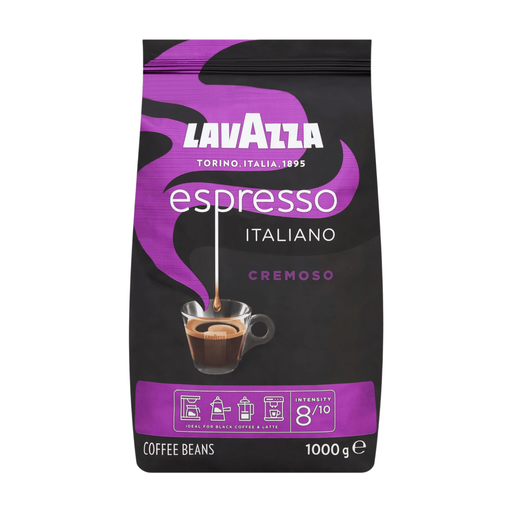 No image available
The 1kg whole-bean bag is worth considering for repeated service if you can grind beans on site and expect to use the opened pack promptly. Check the current bag’s brewing and storage directions.
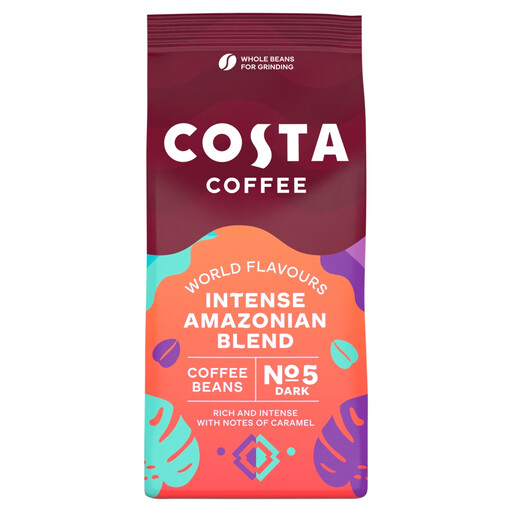 No image available
The 200g whole-bean bag may suit a smaller batch of drinks. Check the current pack’s roast description and brewing directions rather than treating the name alone as a measure of caffeine or suitability for your machine.
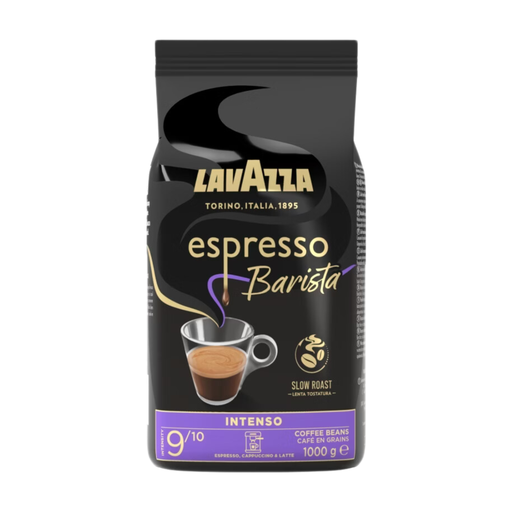 No image available
This 1kg whole-bean bag is another size to consider for repeated service. Confirm the current pack’s roast, brewing directions and after-opening storage guidance for this exact product; do not treat its name as a standardised caffeine rating.
No: an intensity rating is not a standardised caffeine measurement. Waitrose distinguishes roast-driven flavour from caffeine differences associated with bean type, while Lavazza’s 9/10 and illy’s 7/9 use different brand scales. Check the particular beans’ composition or caffeine information if caffeine is your concern.
Start with a dark or explicitly intense coffee recommended for your brewing equipment. Union describes Foundation as a dark espresso or bean-to-cup blend whose flavour carries through milk; that is the maker’s description, so make a trial drink with your own recipe and machine before serving it at an event.
Yes, unless your machine has an integrated grinder. The grind must suit the brewer: a Waitrose product listing specifies fine for espresso, medium for moka and coarse for filter or cafetière. Check that your portable setup can produce and use the required grind.
Follow the instructions on the particular pack and protect opened beans from heat and sunlight. A Waitrose listing for Union Revelation says to store it airtight, cool and dry and enjoy it within four weeks of opening; a separate Caffè Nero listing gives two weeks for optimum freshness. Those periods apply to the named products, not every bag of beans.
If your activity is a food business, the Food Standards Agency says you must register with your local authority at least 28 days before trading or starting food operations. GOV.UK’s guidance dated 17 July 2026 requires food businesses in England, Northern Ireland and Wales to provide allergen information for prepacked and non-prepacked food and drink, including relevant ingredients in prepared drinks. If trading in Scotland, confirm the applicable requirements with the local authority or Food Standards Scotland.