Older adults who enjoy a bold cup
If caffeine is tolerated, choose the flavour profile you like and beans suited to your brewer. A strong-tasting label is not a measurement of caffeine in the finished cup.


Choose strong coffee beans for the flavour and brewing method an older drinker enjoys, not as a way to judge caffeine intake or meet nutritional needs. Lavazza describes intensity in terms of aroma and richness; if caffeine aggravates symptoms or an individual restriction applies, consider decaf and follow the relevant clinical advice. Coffee may also need to be timed away from meals when the person is following iron-deficiency dietary advice, according to University Hospitals Coventry and Warwickshire NHS Trust.
If caffeine is tolerated, choose the flavour profile you like and beans suited to your brewer. A strong-tasting label is not a measurement of caffeine in the finished cup.
Coffee can remain a preferred drink alongside meals, but it should not stand in for food. Royal United Hospitals Bath NHS Foundation Trust emphasises a nutrient-rich diet for people over 65.
Where caffeine worsens bladder symptoms or palpitations are a concern, compare decaf options and follow individual clinical or pharmacist advice. NHS Tayside identifies caffeine as a bladder stimulant, while the NHS lists caffeine among common causes of palpitations.
Start with the preferred flavour and brewing method, then consider caffeine and how coffee fits around meals.
| Priority | What to check | Your needs |
|---|---|---|
| Flavour and caffeine | Read intensity as a flavour cue, then check the bean mix and any caffeine information with its serving basis. Lavazza describes intensity through aroma and richness; Waitrose & Partners says Robusta can contain up to double the caffeine of Arabica. | I enjoy a bold cup, but need to consider caffeine separately from the strength label. |
| Brewing method | Confirm that the beans and any preparation guidance suit the brewer and grind you use. Check the intended serving size if caffeine intake matters. | My usual brewer should make the kind of cup I enjoy, without relying on a strength score to predict caffeine intake. |
| Food and fluids | Keep coffee alongside meals rather than using it in place of food. Royal United Hospitals Bath NHS Foundation Trust emphasises a nutrient-rich diet after 65; the NHS says coffee counts towards fluid intake. | I want to keep enjoying coffee without treating it as a replacement for meals or other drinks. |
| Iron-related timing | If iron-deficiency dietary advice applies, check when coffee is taken around meals. University Hospitals Coventry and Warwickshire NHS Trust says coffee with a meal can greatly decrease iron absorption. | When following an iron-focused meal plan, I need a coffee routine that fits the advice I have been given. |
| Caffeine sensitivity | Consider a decaf product and check its label if a specific caffeine limit applies. NHS Tayside says caffeine can worsen bladder symptoms; the NHS lists it among common causes of palpitations. | If caffeine aggravates symptoms or I have been advised to limit it, a bold flavour label cannot tell me whether a coffee is suitable. |
| Pack size | Check the quantity and on-pack storage instructions against how often the household makes coffee. | For an occasional cup, I would rather choose a pack size I can use as intended after opening. |
Lavazza describes intensity in terms of aroma and richness, while Waitrose & Partners identifies bean type as a separate caffeine consideration.
Use the strength label to shortlist flavours. Check the bean mix and any caffeine declaration separately, especially when an individual limit applies.
Strong coffee does not replace the nutrient-rich diet emphasised for people over 65 by Royal United Hospitals Bath NHS Foundation Trust.
Choose beans for taste and routine. If appetite or food intake is a concern, seek appropriate professional nutrition advice rather than changing coffee strength to address it.
University Hospitals Coventry and Warwickshire NHS Trust says coffee with a meal can greatly decrease iron absorption for someone following iron-deficiency dietary advice.
Follow the timing advice given for that person’s meals, including any instructions from their clinician or dietitian.
A large pack may be awkward to use within its after-opening storage guidance, particularly if coffee is only made occasionally.
Compare the pack size with likely use and follow the current on-pack storage instructions.
These examples illustrate different flavour descriptions and bean disclosures; a brand name alone cannot establish caffeine content or individual suitability.
Lavazza uses intensity language across its coffee range and describes it primarily in terms of aroma and richness.
illy’s INTENSO whole beans are labelled 100% Arabica with an intensity of 7/9.
Waitrose lists Taylors of Harrogate whole-bean options including Rich Italian Beans and Lazy Sunday Coffee Beans.
Union describes its whole-bean House Roast as a bold medium roast.
M&S describes its French Style Coffee Beans as dark roasted, 100% Arabica and full-bodied.
Waitrose No.1 Italian Espresso Slow Roasted Coffee Beans contain 50% Arabica and 50% Robusta.
These whole-bean options include two intensity-led choices and two decaf choices. Compare the individual pack details against flavour preference, caffeine considerations and how often coffee is made.
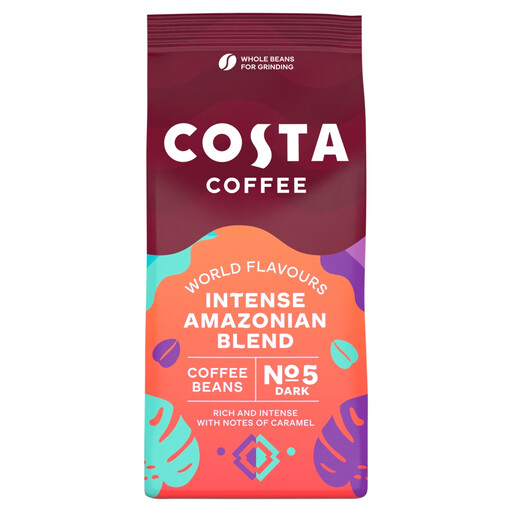 No image available
For someone seeking a dark-tasting cup who tolerates caffeine. These whole beans come in a 200g pack; check caffeine information on a prepared-serving basis if an individual limit matters.
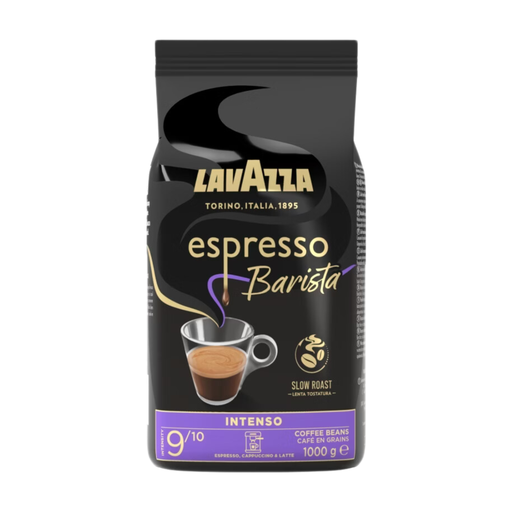 No image available
For an intensity-led flavour choice when caffeine is tolerated. This 1kg pack contains whole beans; check the bean mix and caffeine information if sensitivity matters, and consider whether the pack size fits your routine.
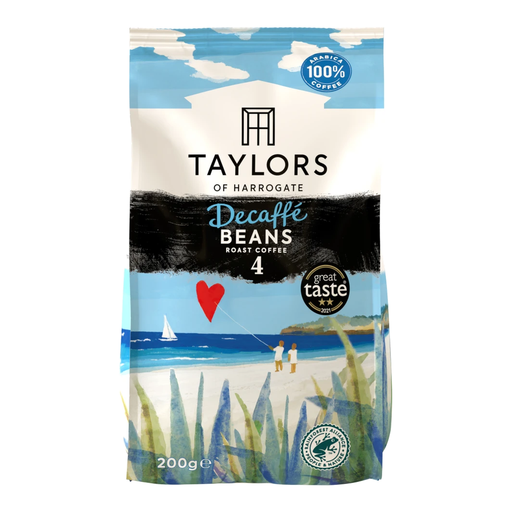 No image available
A decaffeinated whole-bean option when reducing caffeine takes priority over a specified strong-flavour rating. The pack is 200 g; check its flavour description, brewer guidance and residual caffeine information if those details are essential.
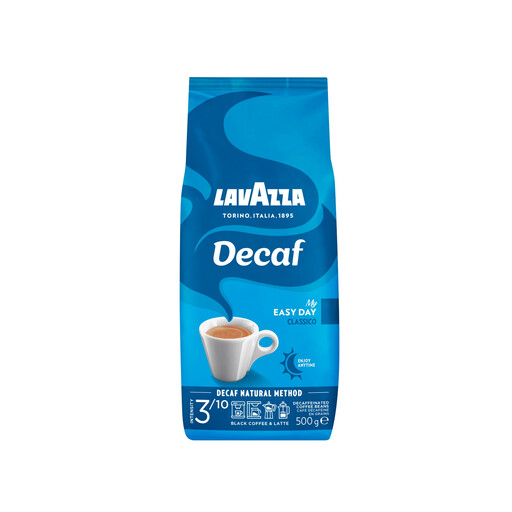 No image available
A decaffeinated whole-bean choice for a household making coffee regularly enough to use a 500g pack. Check the current pack for flavour intensity, brewer guidance and residual caffeine if any of these affect the decision.
Not necessarily. Lavazza describes intensity in terms of aroma and richness, while Waitrose & Partners says caffeine varies with bean type and Robusta can contain up to double the caffeine of Arabica. Check the bean mix and any caffeine information with its serving basis rather than relying on the strength label.
No. Coffee can be a drink they enjoy, but it does not replace meals. Royal United Hospitals Bath NHS Foundation Trust emphasises a nutrient-rich diet for people over 65, including attention to protein, calcium, folate and vitamin B12.
If someone is following iron-deficiency dietary advice, they should follow the coffee-timing guidance given for their meals. University Hospitals Coventry and Warwickshire NHS Trust says coffee or tea with a meal can greatly decrease iron absorption; individual clinician or dietitian instructions should also be followed.
Yes. The NHS includes tea and coffee among drinks that count towards fluid intake. That does not remove the need to consider individual caffeine sensitivity when choosing beans and servings.
Consider decaf when reducing caffeine matters more than choosing a particular intensity label, especially if caffeine aggravates bladder symptoms or an individual has been advised to limit it. NHS Tayside identifies caffeine as a bladder stimulant, and the NHS lists it among common causes of palpitations. Follow clinical or pharmacist advice where it applies.