For a Full English breakfast, start with whole beans described as full-bodied, with cocoa, chocolate or caramel notes, if you want a pronounced coffee flavour alongside the meal. Choose the roast and brewing method to suit your taste and equipment: a dark espresso blend is one route, while a rich medium roast may suit you better if you dislike dark-roast bitterness. Treat intensity ratings as brand-specific flavour descriptions, not comparable caffeine measurements.
Who is this choice for?
The right beans depend on whether you value a pronounced roast flavour, flexibility across brewers or richness without a darker-roast character.
Breakfast hosts seeking a pronounced cup
If you prefer coffee with body and cocoa, chocolate or caramel notes alongside a rich, savoury breakfast, use those tasting descriptions to narrow your choice. The pairing remains a matter of taste, not a tested guarantee that a coffee will stand out.
Espresso, moka and bean-to-cup users
Look for beans recommended for your brewer, then consider their roast and flavour description. An intensity number alone will not tell you how to grind the beans or how the finished drink will taste.
Buyers who prefer richness without a dark roast
A rich medium-roast option is worth considering if chocolate or nut notes appeal to you but pronounced dark-roast bitterness does not. Taylors of Harrogate Rich Italian is one such product-line example described by Taylors and Waitrose.
What matters when choosing beans?
Decide what “strong” means to you, then check flavour, brewer suitability and pack size before comparing products.
| Priority |
What to check |
Your needs |
| Meaning of strength |
Read the roaster’s description of aroma and body. Compare intensity numbers within a brand rather than treating different brands’ scales as equivalent; check bean composition separately if caffeine matters. |
I want a pronounced flavour, but I do not want a high intensity number mistaken for a measured caffeine dose. Lavazza UK describes its intensity scale in terms of aroma and richness. |
| Flavour and roast |
Look for stated cocoa, chocolate, caramel or nut notes and decide whether you prefer a medium, medium-dark or dark roast. Waitrose & Partners describes darker roasts as richer and less acidic; tasting notes are descriptions, not meal-pairing test results. |
Beside a Full English breakfast, I would choose a flavour profile I enjoy rather than assume that the darkest roast must suit the meal. |
| Brewer and grind |
Check the product’s recommended preparation method and your grinder or machine instructions. Waitrose & Partners gives fine grinding for espresso, medium for filter and coarse for cafetière as guidance for its Espresso Beans. |
My beans need to work with the way I make coffee, whether that is espresso, moka, filter or cafetière. |
| Pack size and storage |
Choose a pack you expect to use promptly after opening, and follow that product’s storage directions. Instructions differ between products, so do not apply one brand’s storage period to every bag. |
For a first try, I would rather assess the flavour and my rate of use before moving to a larger bag. |
What should you avoid?
-
Comparing intensity numbers across brands
Lavazza UK describes intensity through aroma and body. Its 9/10 for Espresso Barista Intenso and illy’s 7/9 for Intenso use different scales, so the numbers do not establish which coffee tastes stronger or contains more caffeine.
Use each rating within its own brand range. Across brands, compare the stated roast, bean composition, tasting notes and brewing recommendations.
-
Choosing the darkest roast when you dislike bitterness
A dark-roast description may appeal if you want that flavour, but darkness is not a requirement for a rich cup. Taylors of Harrogate positions Rich Italian as a rich medium roast without the bitterness it associates with darker roasts.
Try a smaller pack of a medium or medium-dark option before committing to a large dark-roast bag if roast character is your main uncertainty.
-
Buying a large bag before checking how you will use it
Whole beans need grinding for the chosen brewer, and an opened bag’s storage instructions matter when you are deciding between pack sizes.
Check brewer guidance and the pack’s storage directions, then choose a size that fits how often your household makes coffee.
A bag that lasts longer than you expected may leave beans unused past the product’s recommended period for best flavour.
-
Reading bold flavour as a caffeine dose
Roast and intensity wording describes a flavour profile, not the caffeine content of your prepared cup. Bean composition and the amount used also matter, so a label alone cannot settle the question.
If you monitor caffeine, check the product information and consider coffee alongside your other caffeine sources rather than relying on words such as “strong” or “Intenso”.
Brand and product-line references
These named coffees illustrate different flavour and roast routes; a brand’s description of one product should not be applied to its whole range.
Lavazza
Lavazza Espresso Barista Intenso is described by Lavazza UK as a full-bodied espresso coffee with cocoa and woody notes.
- Lavazza UK rates this product at 9/10 on its own intensity scale.
- That rating cannot be compared directly with another brand’s scale or used as a caffeine measurement.
illy
illy UK describes its Intenso 500g whole beans as 100% Arabica, with cocoa and dried-fruit notes.
- The stated 7-of-9 intensity offers a reference within illy’s range.
- It is not a like-for-like numerical comparison with Lavazza’s 9/10 rating.
Taylors of Harrogate
Rich Italian is a medium-roast, 100% Arabica whole-bean option; Waitrose & Partners lists dark-chocolate and almond notes for it.
- Consider this product if you want richness but prefer a medium roast to a pronounced dark-roast character.
- Its Roast 4 description should not be recast as an extra-dark or cross-brand intensity rating.
Union
Union Hand-Roasted Coffee describes Revelation Signature Espresso as a dark roast with chocolate and caramel notes.
- Its producer positions it as an espresso coffee, making preparation method part of the choice.
- A dark roast describes its flavour direction, not a measured caffeine advantage.
M&S
Marks & Spencer describes its Espresso Blend Coffee Beans as dark and full-bodied, with dark-chocolate and date notes.
- Those stated notes offer a route for buyers who prefer a dark espresso profile.
- Check the current product label and your selected Foodhall for product details and local availability.
Waitrose
Waitrose & Partners provides roast-strength and grinding guidance alongside its whole-bean range.
- Its guidance distinguishes grind sizes for espresso, filter coffee and cafetière.
- A retailer’s general roast guidance does not establish how every coffee in its range will taste to you.
Joybuy coffee bean options
These whole-bean options cover dark-roast, espresso-labelled and richer medium-roast choices for a Full English breakfast. Check each product’s current label and brewing directions against your preferred cup and equipment.
 No image available
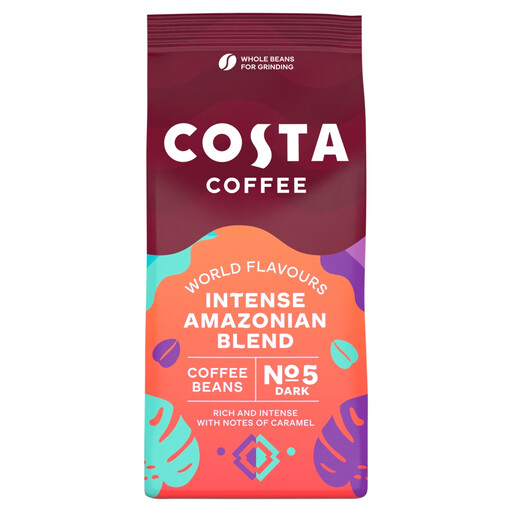
Costa Intensely Dark Amazonian Blend Coffee Beans 200g
A 200g whole-bean option for trying a coffee labelled intensely dark alongside breakfast. Check the pack’s flavour description and preparation guidance against your preferred brewer.
View on Joybuy
 No image available
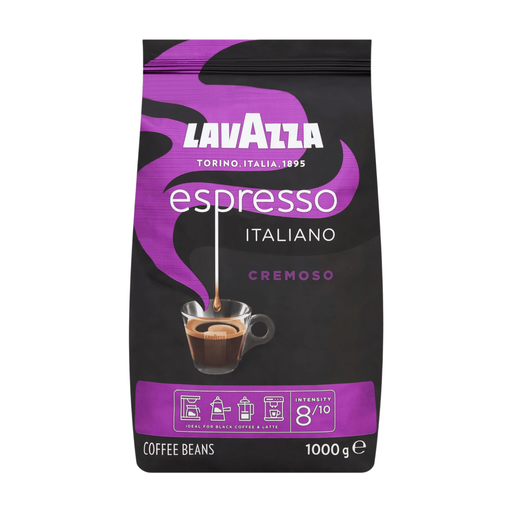
Espresso Italiano Cremoso Beans 1kg
An espresso-labelled 1kg bean option. Before choosing the larger bag, check its roast and flavour description, brewing directions and storage instructions against how often you make coffee.
View on Joybuy
 No image available
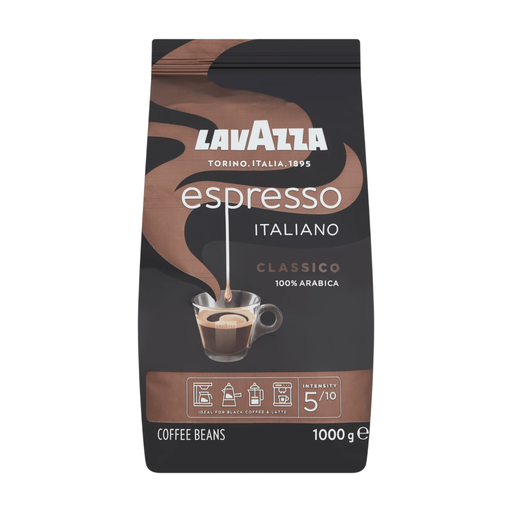
Lavazza Cafe Espresso Coffee Beans 1kg
An espresso-labelled Lavazza whole-bean coffee in a 1kg bag. This is a different named product from Espresso Barista Intenso, so check its own roast, tasting notes and brewing guidance rather than applying Barista Intenso’s rating to it.
View on Joybuy
 No image available
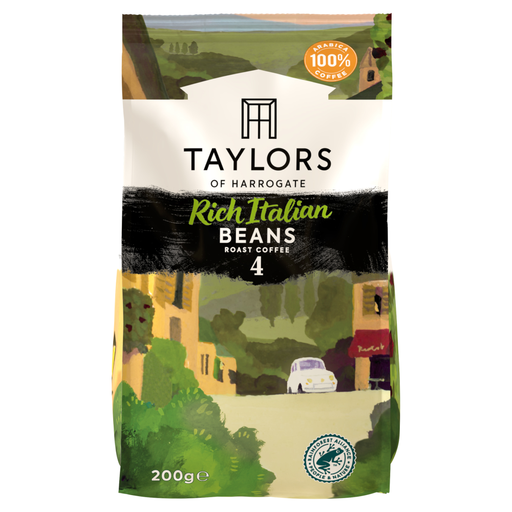
Taylors Rich Italian Coffee Beans 200g
A 200g bag for trying a rich medium-roast route rather than choosing the darkest roast. Waitrose & Partners describes Taylors Rich Italian whole beans as 100% Arabica with dark-chocolate and almond notes; check the pack and your brewer’s instructions before grinding.
View on Joybuy
Common questions
Does a higher intensity number mean more caffeine?
No: an intensity number is not a caffeine measurement. Lavazza UK uses intensity to describe aroma and richness, while caffeine also depends on factors such as bean composition and how the coffee is prepared. Compare product information separately from flavour ratings.
Should I buy the darkest roast for a Full English breakfast?
Only if you enjoy that roast character. Dark espresso-style beans are one route to a pronounced cup, but a rich medium roast may suit you better if you dislike dark-roast bitterness; the breakfast pairing itself is a taste preference.
How should I grind whole beans for my brewer?
Follow your machine and coffee-pack instructions. As a starting guide for its Espresso Beans, Waitrose & Partners suggests a fine grind for espresso, medium for filter and coarse for cafetière; adjust according to your equipment and the drink you are making.
How should I store beans after opening the bag?
Follow the directions on the particular pack and choose a size you expect to use promptly. Storage advice differs between products: Waitrose & Partners advises airtight storage for its Espresso Beans, while Marks & Spencer gives product-specific chilled or frozen storage guidance for its Espresso Blend.
What if I am keeping track of caffeine?
Treat “strong” as a flavour description, not a known dose. Check the coffee’s product information and account for other caffeine sources in your day; an intensity rating cannot tell you the caffeine in a prepared cup.


