For an espresso or bean-to-cup breakfast station, start with whole beans intended to produce the rich, full-bodied flavour you want, then taste them using the hotel’s own machine and drink recipes. A dark roast or high intensity label does not, by itself, establish higher caffeine content: check the bean composition separately if caffeine is part of the brief. Keep a decaffeinated choice alongside the main coffee if guests need that option.
Who is choosing the beans?
Hotels with espresso or bean-to-cup stations
Breakfast teams choosing whole beans for their existing equipment, including stations that serve espresso-based drinks with milk. Machine suitability and the finished cup both matter when selecting the main bean.
Hotels seeking a bold but approachable cup
Operators looking for a full-bodied breakfast coffee without making every guest’s drink an extra-dark or higher-caffeine option. A tasting should include the cup sizes and preparations actually served.
Hotels reviewing the breakfast experience
Teams assessing whether the coffee offer matches their guest experience, and whether it can be prepared consistently throughout service.
What should a hotel check?
Decide what “strong” should mean on this buffet—flavour, body or caffeine—before comparing beans. Then test the intended drink on the equipment and at the serving size guests will use.
Dark or intense espresso profile
Choose when: The espresso or bean-to-cup station needs a rich, full-bodied main coffee.
Bear in mind: A stronger-tasting roast does not establish a higher-caffeine drink, and guests who prefer a brighter filter coffee may want another choice.
Medium-roast, chocolate-led profile
Choose when: The aim is a bold cup with chocolate or caramel notes rather than the darkest roast.
Bear in mind: Union describes its House Roast as a medium roast; a hotel considering it for espresso service should taste it on its own equipment rather than assume the same result across brewing methods.
Higher-caffeine option
Choose when: The brief specifically calls for caffeine content, not simply darker flavour.
Bear in mind: Waitrose & Partners says robusta can contain up to double the caffeine of arabica, but bean type alone does not specify the caffeine in the finished serving.
| Priority |
What to check |
Your needs |
| Cup flavour |
Compare the stated roast and tasting notes, then taste the prepared coffee black and in the milk drinks served. Waitrose & Partners describes longer roasting as producing a richer, more intense flavour with less acidity. |
I want a breakfast coffee that tastes full-bodied in the cups guests receive, rather than choosing by an intensity number alone. |
| Brewing equipment |
Check the maker’s suggested preparation against the hotel’s espresso, bean-to-cup or filter equipment. Trial the beans with the actual grinder, water, dose and cup size. |
Our breakfast station needs a recipe staff can prepare consistently during service. |
| Caffeine brief |
Read intensity as a flavour description, not a caffeine measurement: Lavazza UK uses it for aromatic richness. If caffeine matters, check the arabica/robusta composition and the intended serving recipe. |
If I am offering a higher-caffeine choice, I need to identify it separately from the dark-tasting main coffee. |
| Buffet supply |
Compare pack sizes and confirm replenishment, storage and supply arrangements for the planned volume. Request quotations on the same drink recipe and serving size before comparing cost per cup. |
Small trial packs are useful for tasting, but our regular service needs a workable replenishment plan. |
| Guest information |
Keep current product and ingredient information for the complete drinks station, including milk, plant drinks, syrups, toppings and food served alongside the coffee. The Food Standards Agency states that businesses providing food directly to customers must provide allergen information. |
Guests need accurate information about the drink and additions they choose at the buffet. |
Buying mistakes to avoid
-
Treating “strong” as a caffeine measurement
A hotel could choose an intense-tasting coffee expecting a higher-caffeine drink. Lavazza UK defines intensity in terms of aromatic richness, while Waitrose & Partners notes that caffeine also varies by bean type.
Write separate requirements for flavour, body and caffeine. If caffeine is important, check the bean composition and intended drink recipe rather than relying on the intensity label.
-
Choosing beans without testing the machine
A coffee described for filter or cafetière preparation should not be assumed to produce the intended cup in an espresso or bean-to-cup station.
Make trial drinks on the hotel’s equipment, using its usual water, grinder settings, dose, milk and serving sizes before choosing the main buffet bean.
-
Planning regular service around trial packs
A small retail pack may require frequent replacement during a busy breakfast service.
Use tasting packs to assess flavour, then confirm suitable pack sizes, lead times, storage arrangements and comparable supply terms for regular use.
Frequent pack changes add handling and replenishment work during service.
-
Letting guest information fall behind recipe changes
Changing a milk, plant drink, syrup or topping can change the allergen information needed at the station. The Food Standards Agency states that businesses providing food directly to customers must provide allergen information.
Check current delivered labels and supplier information whenever ingredients or recipes change, and keep the buffet’s guest information aligned with what is served.
Brand and retailer references
These examples show different flavour and preparation directions; a brand’s inclusion does not mean every one of its coffees suits the same breakfast station.
Lavazza
Lavazza UK presents Espresso Barista Intenso whole beans for espresso coffee machines.
- Its machine-specific description gives espresso stations a relevant product to assess.
- Lavazza describes intensity as aromatic richness; the label is not a caffeine figure or a substitute for testing the hotel’s recipe.
illy
illy UK describes its Intenso whole beans as 100% arabica and intended for espresso.
- illy describes cocoa, dried-fruit and full-bodied notes, giving buyers a stated flavour profile to taste against their brief.
- An intense flavour description does not establish the caffeine content of the finished hotel drink.
Taylors of Harrogate
Waitrose & Partners lists Taylors of Harrogate Rich Italian Beans in its whole-bean range.
- The named whole-bean product offers a specific option to investigate for a tasting.
- Check the exact pack’s roast, composition and preparation guidance before treating it as a fit for the hotel’s machine.
Union
Union describes House Roast as a bold medium roast with chocolate and caramel notes.
- Its stated profile provides an alternative to choosing solely by dark-roast intensity.
- Test the result in an espresso or bean-to-cup station rather than assuming a coffee considered for filter or cafetière service will taste the same there.
M&S
M&S describes its French Style Coffee Beans as dark roasted and 100% arabica.
- The product’s stated bold taste and full body make it a defined dark-roast profile to assess.
- Confirm the current pack details and a suitable supply arrangement before using a retail product for regular buffet service.
Waitrose
Waitrose & Partners lists whole-bean coffees and explains distinctions between roast flavour and bean-type caffeine content.
- Its coffee guidance helps buyers separate a richer, darker flavour from a higher-caffeine requirement.
- A retail listing does not establish the preparation or supply arrangements needed for a particular hotel buffet.
Joybuy coffee-bean options
These whole-bean options are relevant to hotels considering an intense or dark-tasting main breakfast coffee. Check each one against the hotel’s machine, serving recipe and replenishment needs before choosing it for regular service.
 No image available
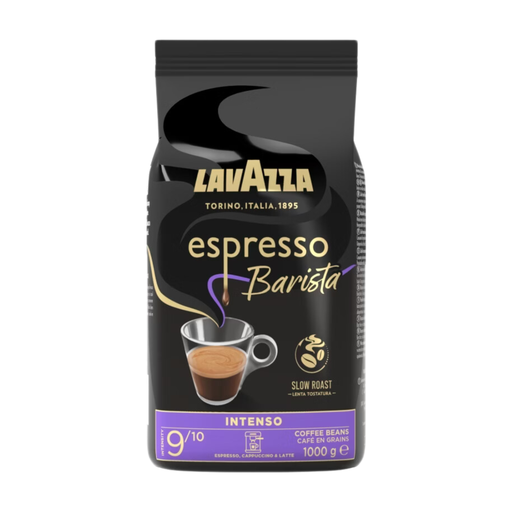
Lavazza Barista Intenso Beans 1 kg
For a breakfast station seeking an intense-tasting whole-bean coffee, prepare trial cups on the hotel’s own machine before adopting it as the main bean. The pack is 1 kg; confirm the replenishment arrangement needed for regular service. Do not use the word “Intenso” as a measure of caffeine per serving.
View on Joybuy
 No image available
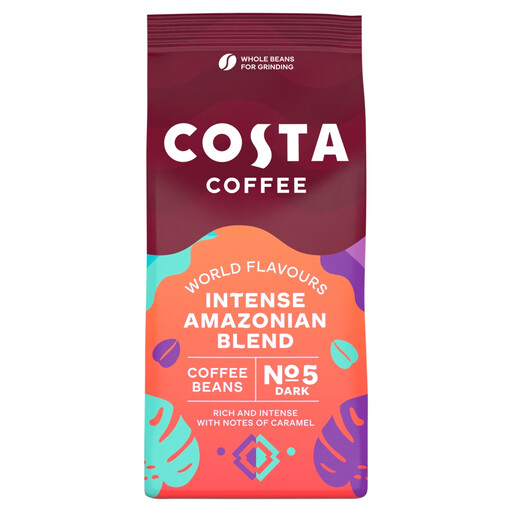
Costa Intensely Dark Amazonian Blend Coffee Beans 200 g
This dark-tasting whole-bean option can be assessed in the hotel’s usual breakfast drinks. Its 200 g pack provides a size to consider for a tasting; check how regular buffet service would be replenished and test the finished cup on the intended equipment.
View on Joybuy
Frequently asked questions
Does a higher coffee intensity number mean more caffeine?
No: an intensity number should not be read as a caffeine measurement. Lavazza UK describes intensity in terms of a blend’s aromatic richness, while Waitrose & Partners says caffeine varies by bean type and that robusta can contain up to double the caffeine of arabica. Check composition and the serving recipe if caffeine content matters.
Should a hotel breakfast buffet use dark-roast beans?
Dark-roast beans are worth tasting when the aim is a rich, intense-flavoured main coffee, but they need not be the only guest choice. Waitrose & Partners describes longer roasting as producing richer flavour with less acidity. Taste the coffee in the hotel’s actual drinks, and consider another option for guests who prefer a brighter cup.
When are whole beans practical for breakfast service?
Whole beans are practical when the hotel has equipment and a repeatable recipe for grinding and brewing them during service. Lavazza UK says grinding whole beans on demand preserves freshness; set the grinder, dose and cup size using the hotel’s own equipment rather than relying on the pack description alone.
What allergen information should a hotel check at the coffee station?
Keep accurate allergen information for what guests are actually offered, including milk, plant drinks, syrups, toppings and accompanying food. The Food Standards Agency states that businesses providing food directly to customers must provide allergen information. Check current labels and supplier details when products or recipes change.


