Espresso and bean-to-cup commuters
If you make a short coffee before leaving, start with the preparation methods stated for the beans. An espresso recommendation does not, by itself, establish how the coffee will taste from every other brewer.


Choose whole beans that suit your morning brewer and the strength you mean: dark flavour, a coffee that remains noticeable with milk, or a blend containing robusta. An intensity number describes the producer’s flavour scale, not caffeine in a prepared cup; if caffeine matters, check the blend and consider your intake from all sources.
The useful meaning of “strong” changes with the drink you make before leaving home.
If you make a short coffee before leaving, start with the preparation methods stated for the beans. An espresso recommendation does not, by itself, establish how the coffee will taste from every other brewer.
If your usual drink is a latte or cappuccino, look for a blend the producer specifically describes as suitable with milk, rather than choosing by roast colour alone.
If caffeine is part of the decision, distinguish bean composition from flavour intensity. A robusta-containing blend is worth examining, but its composition alone does not tell you the caffeine in your prepared cup.
Settle the brewing method first, then choose the flavour and pack size that fit your weekday routine. Treat caffeine as a separate question from a dark-roast description.
| Priority | What to check | Your needs |
|---|---|---|
| Flavour or caffeine | Read the roast and flavour description, then check bean composition separately. Waitrose & Partners says robusta can contain up to double the caffeine of arabica; that does not establish caffeine per prepared cup. | I want a bold-tasting coffee, but I do not want to mistake an intensity number for a caffeine measurement. |
| Brewing method | Match the producer’s stated methods to your equipment. Lavazza specifies Espresso Barista Intenso for espresso and moka; Union recommends Foundation for espresso and bean-to-cup machines; illy lists espresso, moka, filter and lungo for Intenso. | My morning coffee needs to work with the brewer I actually use, whether that is an espresso machine, moka pot or automatic machine. |
| Black or with milk | Check whether the product is described for espresso alone or also for milk drinks. Union describes Foundation as suitable with milk, while Waitrose lists its No.1 Italian Espresso for cappuccino and latte. | If I add milk, I want to choose a blend whose stated use includes that kind of drink; otherwise, I can focus on the black-coffee flavour I prefer. |
| Pack management | Choose a pack size that fits how quickly you use beans and follow its storage instructions after opening. The Specialty Coffee Association explains that roasted coffee loses aroma over time. | A bag may last me several working weeks, so I want a size I can use while its flavour still suits me. |
A smoky, powerful flavour can be appealing without establishing a particular stimulant effect. Lavazza’s intensity score, for example, is not a caffeine-per-cup figure.
Choose roast and intensity for flavour. If caffeine matters, examine the bean blend and any relevant serving information rather than converting a flavour score into a caffeine estimate.
A producer’s recommended methods can differ between products: Lavazza specifies Espresso Barista Intenso for espresso and moka, whereas illy lists filter preparation among the methods for Intenso.
Check the methods stated for the exact beans you are buying against the brewer you use on working mornings.
The Specialty Coffee Association explains that roasted coffee loses aroma over time. A large bag may therefore be less useful if you get through beans slowly.
Choose a manageable pack size, reseal it after use and follow the instructions on that product’s pack.
Beans left unused while their aroma fades can be an avoidable practical waste.
Caffeine from other drinks, foods and supplements also counts towards daily intake. NHS guidance sets a limit of 200 mg a day during pregnancy; the European Food Safety Authority’s 2015 assessment says up to 400 mg a day from all sources does not raise safety concerns for generally healthy adults, except pregnant women. Neither figure is a target for how much to consume.
If you need to track intake, consider all sources across the day. Do not use a roast description to calculate caffeine in a prepared drink.
These examples illustrate different flavour and brewing choices; the descriptions apply to the named products, not every coffee sold by each brand.
Lavazza positions Espresso Barista Intenso as an espresso- and moka-oriented whole-bean blend.
illy Intenso offers a full-bodied, 100% Arabica option for households using more than one brewing method.
Hot Lava Java is Taylors of Harrogate’s extra-dark option for drinkers who want a smoky, peppery flavour.
Union describes Foundation as its darkest roast, intended particularly for espresso and bean-to-cup preparation.
Waitrose No.1 Italian Espresso is an own-label blend described for espresso, cappuccino and latte.
M&S describes its Espresso Blend Coffee Beans as a rich, dark, full-bodied Arabica espresso option.
These whole-bean options cover dark-flavoured and espresso-led commuter coffee choices. Check the brewing directions for the exact pack, especially if you use a bean-to-cup machine or usually make coffee with milk.
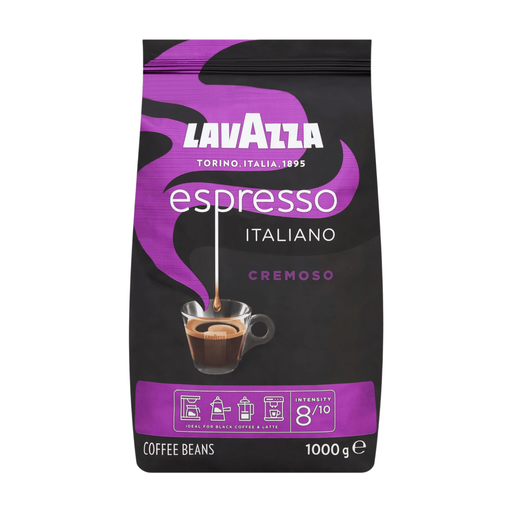 No image available
An espresso-named whole-bean option for a home morning routine. If you alternate between brewers or make milk drinks, check the exact pack’s preparation directions; a flavour-intensity figure would not tell you caffeine per cup.
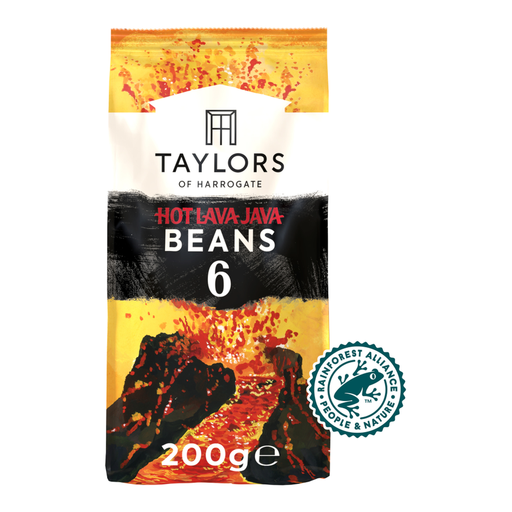 No image available
For a preference for extra-dark, smoky and peppery flavour, Taylors describes this blend as containing robusta for an extra caffeine lift. That description does not give caffeine per prepared cup; check brewing directions if you use an espresso or bean-to-cup machine.
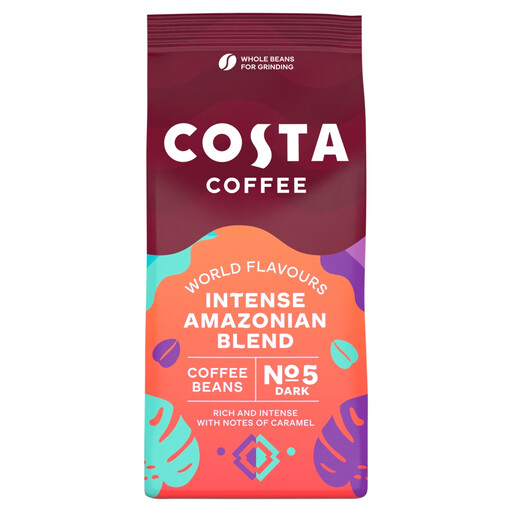 No image available
A dark-flavour choice in a 200 g whole-bean pack. If you need a particular espresso, filter or milk-drink result, check the brewing guidance for this blend rather than treating its dark name as a measure of caffeine.
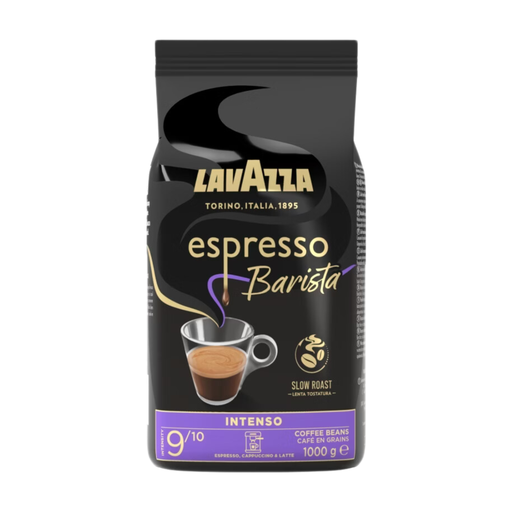 No image available
An espresso-led whole-bean option in a 1 kg pack. Check this exact variant’s brewing methods and flavour-intensity label: figures stated for another Lavazza Intenso product should not be assumed to apply to it.
 No image available
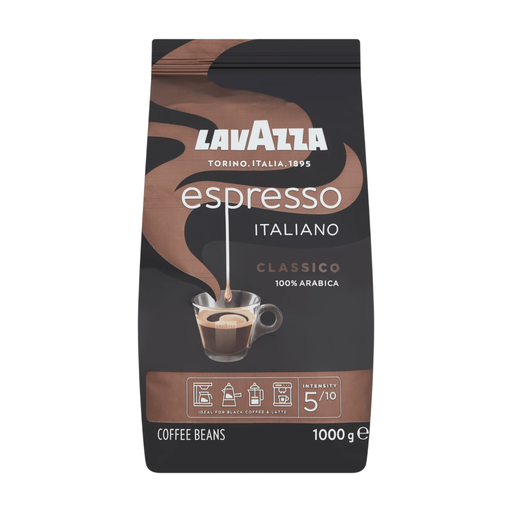
A 1 kg whole-bean option for an espresso-led routine. If your choice depends on a particular roast intensity, milk-drink use or caffeine quantity, check the information for this exact blend rather than relying on “espresso” in its name.
No: an intensity number is a producer’s flavour-scale description, not a standard caffeine-per-cup measure. Waitrose & Partners distinguishes flavour intensity from caffeine and notes that robusta can contain up to double the caffeine of arabica; the amount in a prepared drink still needs its own measurement.
Start with beans explicitly described for milk drinks. Union says Foundation works with milk, while Waitrose lists No.1 Italian Espresso as a base for cappuccino and latte; check that your chosen beans also suit your brewer.
Follow the instructions on the particular pack and reseal it after use. Waitrose advises re-closing its Italian Espresso pack, storing it somewhere cool or refrigerated and using it within two weeks; illy advises keeping Intenso away from sunlight and heat. The Specialty Coffee Association explains that roasted coffee gradually loses aroma.
No. The NHS advises limiting caffeine from all sources to no more than 200 mg a day during pregnancy. A dark-roast label or robusta ingredient does not establish the caffeine in a prepared cup, so it cannot be used to calculate that total on its own.
The European Food Safety Authority’s 2015 assessment says daily caffeine intake of up to 400 mg from all sources does not raise safety concerns for adults in the general population, except pregnant women. It is a general assessment, not a recommended amount to consume or a caffeine figure for any of these coffees.