For a lecture-day lunch, choose espresso-oriented beans for a short coffee or milk drink, but check the maker’s brewing guidance if you use a cafetière or filter. A dark flavour or high intensity score does not tell you how much caffeine is in your cup; the bean blend, dose and other caffeinated drinks you have that day matter too.
Who these beans suit
Espresso and milk-drink makers
If lunch means an espresso, cappuccino or latte, look for whole beans with preparation guidance for your brewer. Waitrose & Partners describes its No.1 Italian Espresso blend as suitable for short espresso and as a base for cappuccino or latte.
Drinkers who want bold flavour without the darkest roast
A medium roast may be worth considering for a cafetière or filter lunch coffee. Union describes its House Roast as a bold medium roast and recommends it particularly for those brewing methods; Taylors of Harrogate describes Rich Italian as rich and smooth.
Afternoon coffee drinkers watching caffeine
Choose flavour and caffeine exposure separately. Lavazza says intensity describes aroma and richness, while Waitrose & Partners notes that caffeine varies by bean type. Consider the serving you make and other caffeinated drinks you have had that day.
What to check before buying
Start with the drink and brewer you will use at lunch, then consider caffeine and how quickly you will finish an opened bag.
| Priority |
What to check |
Your needs |
| Brewing method |
Check the product’s stated suitability for espresso, bean-to-cup, moka, cafetière or filter brewing. If you add milk, look for guidance on milk drinks rather than relying on a strength label. |
I make coffee between lectures and want beans that suit the brewer I actually use. For a cappuccino or latte, I would check whether the maker recommends the beans for that drink. |
| Flavour and caffeine |
Use roast descriptions and intensity scores to explore flavour, not to calculate caffeine. Waitrose & Partners says robusta can contain up to twice the caffeine of arabica; the amount in a prepared cup also depends on how it is made. |
A bold lunch coffee appeals to me, but I also want to account for the bean blend, serving size and any other caffeine I have that day. |
| Pack and storage |
Compare pack size with how often you brew coffee, and follow the particular product’s storage instructions after opening. Waitrose & Partners advises using its No.1 Italian Espresso beans within two weeks of opening. |
If I only make coffee on some lecture days, a bag I can finish while it still tastes as intended may be more practical than a larger one. |
Common buying mistakes
-
Reading intensity as a caffeine rating
A darker-tasting coffee is not necessarily the higher-caffeine choice. Lavazza defines intensity in terms of aroma and richness, while Waitrose & Partners says caffeine varies by bean type.
Use intensity to choose flavour. If caffeine matters to your afternoon plans, check the blend, consider your dose and include other caffeinated drinks in your day.
-
Choosing beans without considering the brewer
Preparation guidance differs: illy lists several suitable methods for Intenso, Union particularly recommends cafetière and filter brewing for House Roast, and Waitrose positions No.1 Italian Espresso for espresso and milk drinks.
Choose your lunch-time brewing method first, then check the beans’ guidance and grind them to suit that method.
-
Opening a large bag for occasional coffees
Air exposure can affect coffee flavour and aroma. Waitrose & Partners advises using its No.1 Italian Espresso beans within two weeks of opening.
Consider how often you will make coffee and follow the storage instructions on the pack you buy.
A bag that remains open beyond its recommended use period may leave you with beans you no longer want to brew.
Brand ranges to consider
These brand examples illustrate different flavour descriptions and brewing guidance; they are not a ranking or a statement about which products are currently available.
Lavazza
Lavazza’s UK whole-bean range includes Espresso Barista Intenso, listed at intensity 9/10.
- The brand provides an intensity scale for comparing the aroma and richness it describes across its blends.
- Lavazza says intensity describes flavour character; it is not a prepared-cup caffeine figure.
illy
illy lists its Intenso 500 g whole beans at intensity 7/9, with guidance covering moka, filter, espresso and lungo.
- The stated preparation methods give shoppers several brewers to check against their own setup.
- The product’s stated caffeine-content limit of 1.5% is not the caffeine amount in a prepared cup.
Taylors of Harrogate
Taylors describes Rich Italian as rich and smooth and lists it in 200 g, 454 g and 1 kg formats.
- The range offers different pack sizes for shoppers comparing how often they brew.
- Taylors says Rich Italian avoids the bitterness often associated with darker roasts, so its description may not match a preference for that character.
Union
Union describes House Roast as a bold medium roast and particularly recommends it for cafetière and filter brewing.
- Its stated roast and brewing recommendations help distinguish this route from an espresso-focused dark blend.
- A medium-roast description does not establish how much caffeine a prepared serving contains.
M&S
M&S describes its Espresso Blend Coffee Beans as roasted for a rich, dark, full-bodied espresso.
- The product description makes its intended espresso profile clear.
- Check the current pack information and local selection before relying on a particular version being available.
Waitrose
Waitrose & Partners lists No.1 Italian Espresso as a 50% arabica and 50% robusta whole-bean blend for espresso and milk drinks.
- The stated bean composition and drink guidance are useful checks for this particular blend.
- Waitrose says robusta can contain up to twice the caffeine of arabica; the blend percentages alone do not establish caffeine per cup.
Joybuy coffee bean options
These whole-bean options cover espresso-oriented and other bold-flavour choices for a lecture-day lunch. Match each one to your brewer, preferred flavour and usual rate of use.
 No image available
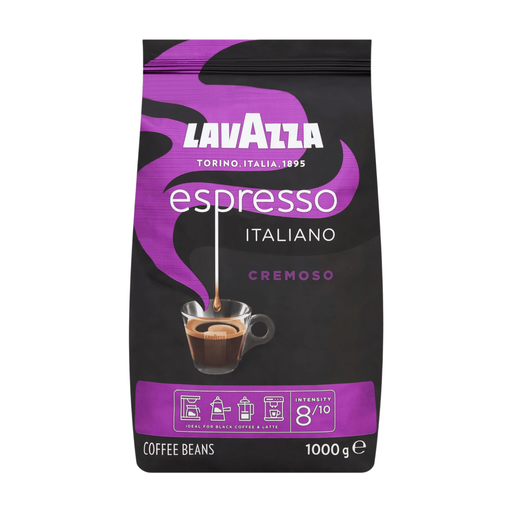
Espresso Italiano Cremoso Beans 1kg
Consider this 1 kg option for an espresso or bean-to-cup lunch drink, checking the brewing guidance against your machine. Do not treat a bean caffeine figure as the amount in your prepared cup.
View on Joybuy
 No image available
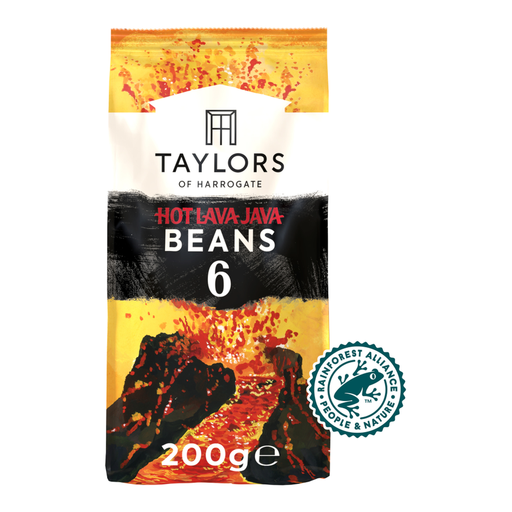
Taylors of Harrogate Hot Lava Java Coffee Beans 200g
A 200 g option to consider if you prefer an extra-dark flavour and brew with a cafetière. Check the pack’s bean composition if caffeine exposure affects your choice.
View on Joybuy
 No image available
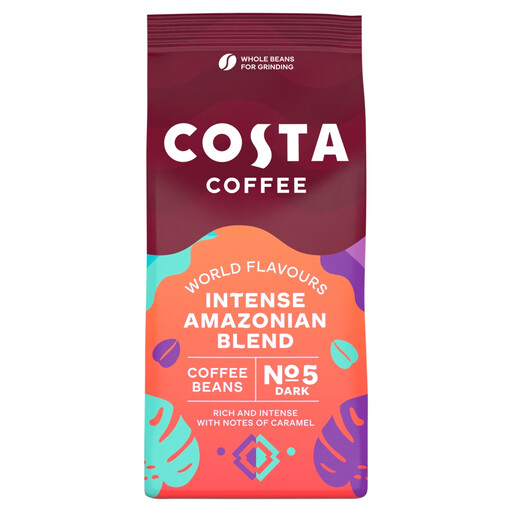
Costa Intensely Dark Amazonian Blend Coffee Beans 200g
Consider the 200 g pack if you make lunch coffee less often and want to compare rich flavours rather than assume the product name describes its roast level. Check its preparation guidance against your brewer.
View on Joybuy
 No image available
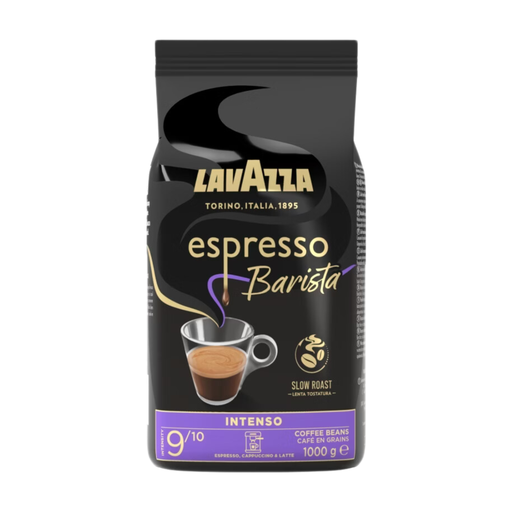
Lavazza Barista Intenso Beans 1kg
Consider this 1 kg bag for espresso or bean-to-cup brewing. Check the exact variant and intensity on the pack before choosing by strength: similarly named Lavazza listings give different intensity figures, and neither figure measures caffeine per cup.
View on Joybuy
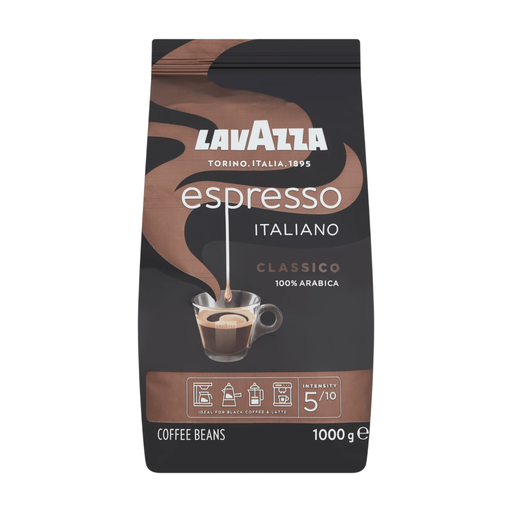 No image available
Lavazza Cafe Espresso Coffee Beans 1kg
An espresso-named option for a lunch coffee; check the pack’s preparation guidance for your particular brewer. If you only brew occasionally, consider how you will store a 1 kg bag after opening.
View on Joybuy
Questions about strong coffee beans
Does a higher intensity number mean more caffeine?
No. Lavazza says intensity describes a blend’s aroma and richness. Waitrose & Partners separately says caffeine varies by bean type, so consider the blend and how much coffee you use rather than treating the intensity score as a cup measurement.
What should I look for in beans for a lunch-time cappuccino or latte?
Look for espresso beans whose maker also recommends them for milk drinks. Waitrose & Partners explicitly describes No.1 Italian Espresso as suitable for a cappuccino or latte base; check the preparation guidance on any other bag you are considering.
How can I account for caffeine before an afternoon lecture?
Consider the coffee dose and serving you prepare alongside other caffeine you have had that day; a flavour-intensity label cannot tell you the total. The European Food Safety Authority’s caffeine assessment concerns intake from all sources, not a fixed number of cups from a particular bag.
How should I store opened whole beans?
Follow the instructions for the beans you buy and keep the opened pack protected from air. Guidance differs by product: Waitrose & Partners advises using its No.1 Italian Espresso beans within two weeks of opening, while M&S gives separate refrigerated and frozen storage periods for its Espresso Blend.


