What should a canteen check?
Start with the installed brewer and the flavour staff expect, then choose a pack size that fits the canteen’s rate of use.
| Priority | What to check | Your needs |
|---|
| Brewing method |
Check the producer’s recommended methods and the machine manufacturer’s bean requirements. Union recommends Foundation for espresso or bean-to-cup use and House Roast for filter or cafetière brewing. |
Our lunch service uses a particular brewer, so I want beans recommended for that method rather than relying on a strength label. |
| Meaning of “strong” |
Decide whether the request means bold flavour, dark roast or caffeine. Lavazza says intensity is a company-assessed taste and aroma scale, not a standard caffeine measure; check the exact bean composition if caffeine is the concern. |
I want to know whether colleagues are asking for a more pronounced taste or a different caffeine profile before ordering. |
| Shared flavour |
Compare roast descriptions and tasting notes, then trial a small quantity if preferences differ. Union describes Foundation as its darkest roast; Taylors describes Rich Italian as rich and smooth. |
Some staff drink coffee black and others add milk, so a trial will help us judge whether a strongly roasted cup suits both groups. |
| Pack and storage |
Compare the pack size with actual consumption and follow the purchased product’s storage label. Product instructions can differ after opening. |
For a new blend, I would rather choose a quantity we can use at a sensible pace than assume a larger bag suits every lunch service. |
Coffee beans on Joybuy
These whole-bean options cover different pack sizes and named flavour styles for a canteen lunch service. Check the chosen beans against the installed brewer and the flavour staff want.
 No image available
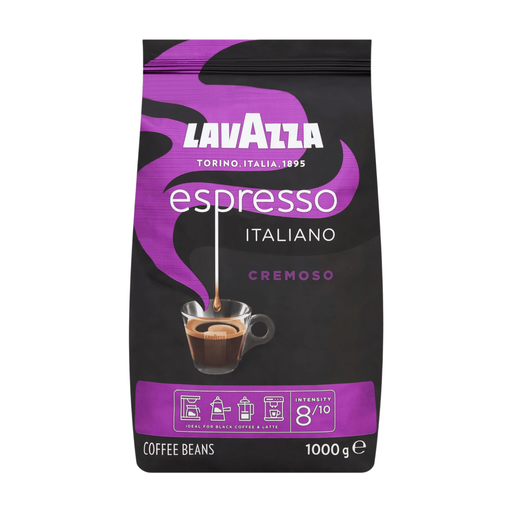
Espresso Italiano Cremoso Beans 1kg
For a canteen considering an espresso-style coffee, compare this 1kg pack with normal bean usage. Check the current pack and machine instructions before deciding whether its roast and brewing suitability meet the brief.
View on Joybuy
 No image available
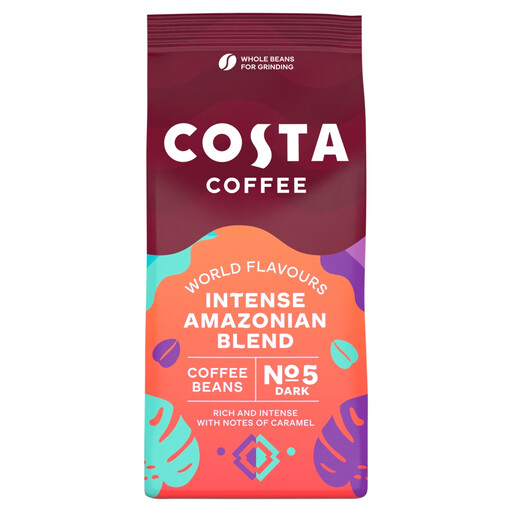
Costa Intensely Dark Amazonian Blend Coffee Beans 200g
The 200g pack offers a smaller quantity for a canteen trial of this dark-labelled blend. Check its current brewing directions and flavour description against the equipment and staff preferences before ordering for regular service.
View on Joybuy
 No image available
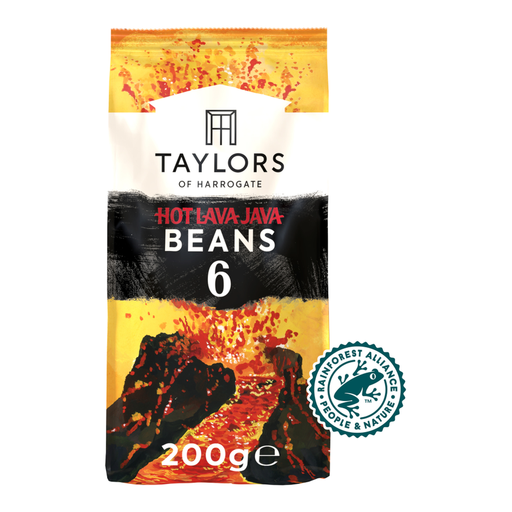
Taylors of Harrogate Hot Lava Java Coffee Beans 200g
For a canteen considering this blend for cafetière service, the 200g pack offers a smaller quantity to trial. Check the current brewing directions and whether its flavour suits the people sharing it; do not infer caffeine content from the name.
View on Joybuy
 No image available
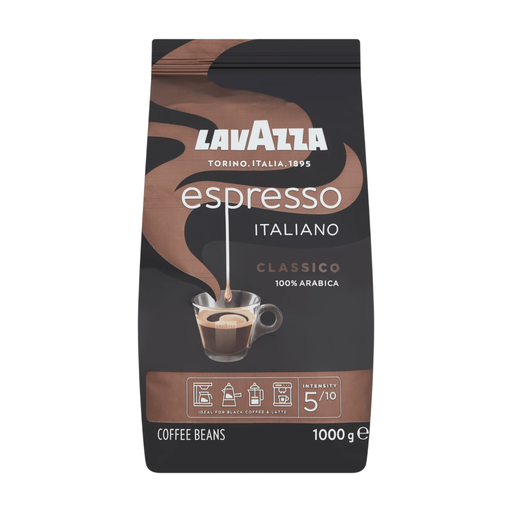
Lavazza Cafe Espresso Coffee Beans 1kg
This 1kg espresso-named pack is an option to assess for a canteen using beans regularly. Confirm its roast and flavour on the current pack if a distinctly strong taste is essential, and check the machine’s bean requirements. It is not Lavazza Espresso Barista Intenso.
View on Joybuy
Frequently asked questions
Does a higher intensity number mean more caffeine?
No. Lavazza says coffee intensity describes taste and aroma on a non-standard company scale. Waitrose says caffeine varies with bean type and notes that robusta can contain up to double the caffeine of Arabica; check the exact product rather than using its intensity score as a caffeine figure.
What beans should a bean-to-cup canteen consider?
Start with beans recommended for bean-to-cup or espresso brewing and check the machine manufacturer’s requirements. Union recommends Foundation for bean-to-cup or espresso use; Lavazza lists Espresso Barista Intenso for espresso and moka, which does not by itself confirm suitability for every automatic machine.
Should a canteen buy a 1kg bag or a smaller pack?
Choose a pack size against the canteen’s actual rate of use: a smaller pack can make a new-flavour trial easier, while a 1kg pack calls for a plan to use and store the opened beans. Follow the instructions on the exact product purchased, as storage directions differ.
Does buying coffee beans change a canteen’s food-business registration?
A coffee-bean purchase alone does not establish whether registration action is needed. For an organisation starting or taking over a food business, the Food Standards Agency says registration with the local authority is required at least 28 days before trading or food operations start; an existing canteen should check its own operating and registration position.
What food-hygiene checks matter when serving coffee?
Apply the canteen’s food-safety controls to coffee purchasing, storage, preparation and service. The Food Standards Agency’s MyHACCP guidance identifies prerequisite measures for food businesses, including supplier approval, incoming-material specifications and staff training.


