Frequent espresso and bean-to-cup drinkers
If you make coffee most days, a larger pack may be practical. Check that the beans are recommended for your brewing method and that you can use the pack in line with its after-opening guidance.


Choose whole beans by the flavour you want and the brewing method you use, then pick a pack size you can get through while the opened coffee still tastes as you expect. A 1kg pack can suit frequent espresso drinkers; smaller packs make more sense if you use beans slowly or want to try a roast. An intensity number describes a roaster's flavour profile, not a comparable measure of caffeine across brands.
If you make coffee most days, a larger pack may be practical. Check that the beans are recommended for your brewing method and that you can use the pack in line with its after-opening guidance.
If you want the coffee flavour to remain noticeable in a latte or flat white, look for a stated full-bodied profile or guidance for milk drinks. Union, for example, describes its Foundation Blend as suitable for milky drinks.
A smaller pack lets you try a bold roast without keeping a large bag open. Check the particular pack's storage instructions before deciding how much to keep on hand.
Start with brewing fit and flavour, then choose a pack size that matches how quickly you use coffee.
| Priority | What to check | Your needs |
|---|---|---|
| Flavour and intensity | Read roast descriptions and tasting notes alongside the intensity label. Lavazza explains that its intensity scale concerns aroma and body; it is not a cross-brand caffeine scale. | I want a bold-tasting cup, so I need more than a high number on the bag to judge its flavour. |
| Brewing method | Check the product's stated suitability for espresso, bean-to-cup, moka, filter or cafetière use. If you grind at home, check the grind setting for your method. | My usual brewer matters more than a general description of the beans as strong. |
| Pack size | Compare the pack size with your rate of use and its after-opening guidance. For its Espresso Beans, Waitrose advises using an opened pack within two weeks for best taste. | If I use beans slowly, I would rather open a smaller pack than leave a 1kg bag open for weeks. |
| Storage and date label | Follow the particular pack's storage directions. GOV.UK distinguishes a best-before date, which concerns quality, from a use-by date, which concerns safety. | I want to know how to store an opened pack and what its date label means before stocking several bags. |
A coffee can taste bold without its intensity number telling you its caffeine content. Lavazza describes intensity in terms of aroma and body, while Waitrose notes that caffeine varies by bean type.
If caffeine matters to you, check any product-specific caffeine information and bean composition rather than comparing different brands' intensity numbers.
A large pack can remain open beyond the maker's guidance for its flavour quality. Waitrose advises using its opened Espresso Beans within two weeks for best taste.
Match pack size to your usual consumption and keep reserve packs unopened until needed.
A dark-roast description does not tell you whether the producer recommends the beans for your usual method.
Check the preparation guidance on the specific product. If grinding beans yourself, adjust the grind for the brewer; Waitrose lists fine for espresso, medium for filter and coarse for cafetière brewing.
Boldness does not describe a single flavour. Taylors of Harrogate describes Rich Italian as rich and smooth rather than as an extra-dark roast.
Use the roast description and tasting notes to distinguish a darker profile from a rich but smoother one.
Its Espresso Barista Intenso is a 1kg whole-bean option stated for espresso and moka preparation.
Its 500g Intenso whole-bean pack offers a smaller format with stated suitability for moka, filter, espresso and lungo.
Rich Italian whole beans come in 200g, 454g and 1kg packs.
Foundation Blend is offered as whole beans in 200g and 1kg formats.
French Style Coffee Beans provide a 227g option for trying a dark-roasted profile.
Its 1kg Espresso Beans are labelled medium-dark roast and strength 4.
These options include smaller packs for trying a bold roast and 1kg packs for regular espresso-style use. Check each roast and brewing description rather than assuming they will taste equally strong.
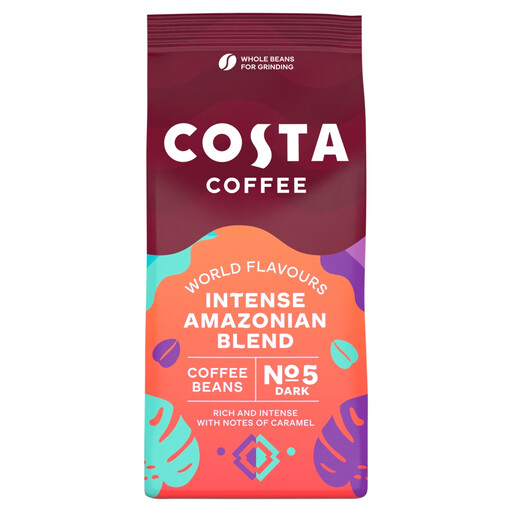 No image available
The 200g pack offers a smaller amount to open when trying a dark-roast profile. The product description identifies 100% Arabica beans, smoky and dark-chocolate notes, and espresso and filter use. Check the pack's dates and after-opening storage directions when planning pantry stock.
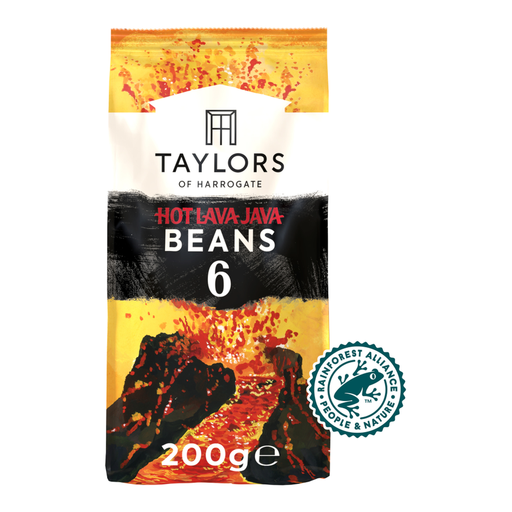 No image available
This 200g extra-dark option is described with smoky notes and a hint of black pepper. The product description names cafetière brewing; check the pack if you intend to use another method. Follow its cool, dry after-opening storage guidance.
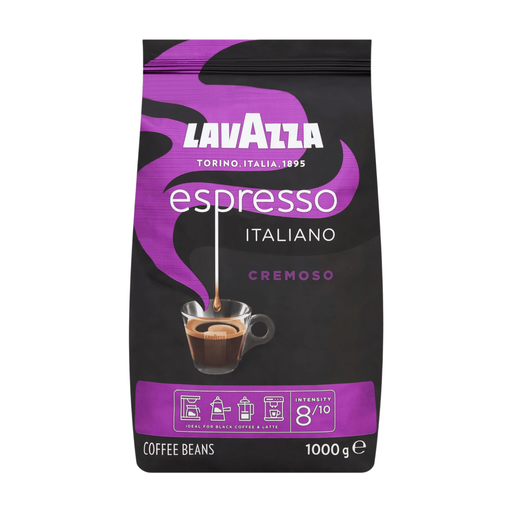 No image available
The 1kg pack is an option for frequent espresso or bean-to-cup use. Its description lists an Arabica and Robusta blend, level 8 intensity and chocolate notes, but calls the roast medium and balanced rather than extra-dark. Check the pack's after-opening guidance before choosing a large bag.
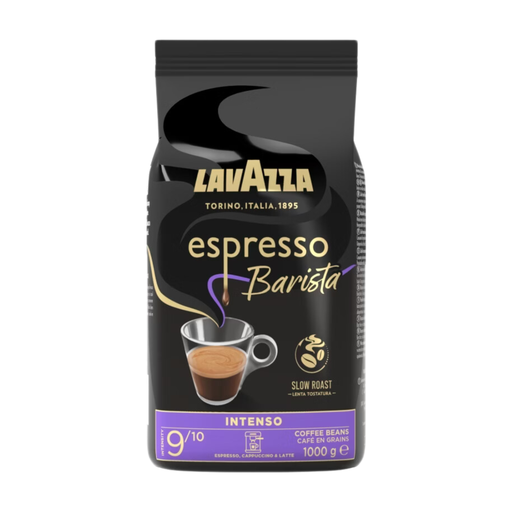 No image available
This 1kg blend is described for regular espresso and bean-to-cup use. Its product description lists Arabica and Robusta beans, level 7 intensity, and chocolate and dried-fruit notes. It also describes a medium roast, so check that profile if you specifically want extra-dark beans.
 No image available
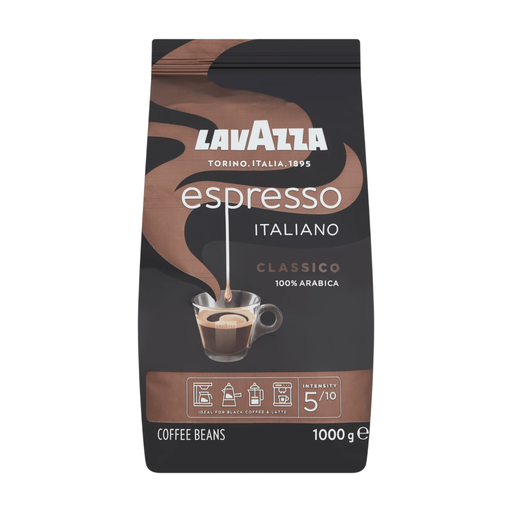
The 1kg pack is presented for espresso use and described as 100% Arabica with a full-bodied flavour. If you specifically want an extra-dark roast, check the current label for its roast and strength description. Match the large pack to how quickly you use beans.
No: do not use intensity alone to judge caffeine content. Lavazza describes its intensity scale in terms of aroma and body, while Waitrose notes that caffeine varies by bean type. Check product-specific caffeine information if that is important to your choice.
Choose beans with a stated recommendation for your method. Lavazza lists Espresso Barista Intenso for espresso and moka; Union recommends Foundation Blend for espresso or bean-to-cup brewing; illy lists Intenso for espresso as well as moka, filter and lungo. Their flavour descriptions and pack sizes differ, so brewing fit is only one part of the choice.
A 1kg bag makes more sense if you use beans frequently enough to follow that product's after-opening guidance. For example, Waitrose advises using its opened Espresso Beans within two weeks for best taste. If you use beans slowly, consider smaller packs and check their own labels.
Follow the directions on the particular pack: they are not the same for every product. Waitrose advises airtight storage at ambient temperature for its Espresso Beans, while illy advises keeping Intenso away from sunlight and heat and preferably refrigerating it after opening. Food Standards Scotland also advises checking labels for after-opening instructions.
No. GOV.UK explains that a best-before date concerns when food may begin to lose quality, whereas a use-by date concerns safety. Follow the coffee pack's storage instructions as well as its date label.