Afternoon coffee drinkers cutting back on caffeine
If you want coffee with a snack but less caffeine than a regular cup, decaf is an option. It is not caffeine-free, so the rest of your day’s intake still matters.


For a strong-tasting decaf alongside an afternoon snack, start with a flavour description such as rich, bold or intense, then choose a format that fits the time and equipment you have. A brand’s intensity number describes flavour rather than caffeine content and is not a reliable cross-brand comparison; decaf also retains some caffeine.
If you want coffee with a snack but less caffeine than a regular cup, decaf is an option. It is not caffeine-free, so the rest of your day’s intake still matters.
If a quick cup matters but mild-tasting decaf does not appeal, look for a product described as rich, bold or intense. Treat those words as flavour descriptions, not independent taste-test results.
If you already use a cafetière, filter brewer or grinder, a brewed decaf may suit your break. Check the format and flavour description separately: ground coffee or beans do not automatically taste stronger than instant.
Choose the preparation method you can use, then compare flavour descriptions within that format. Check caffeine separately if reducing your intake is part of the decision.
| Priority | What to check | Your needs |
|---|---|---|
| Flavour | Look for the maker’s tasting description and roast information. NESCAFÉ describes its AZERA Americano Decaf as rich and intense; Kenco describes its Decaf as balanced and gives it an intensity rating of 7. Ratings are not standardised across brands. | I want the coffee flavour to come through alongside my snack, rather than choosing by an intensity number alone. |
| Preparation | Check whether the coffee is instant, ground or whole bean. Ground coffee needs a suitable brewer; beans also need grinding before brewing. | For a short break, I may want instant coffee made with hot water. If I have time and equipment to brew, ground coffee or beans are options. |
| Caffeine | Do not read a flavour-strength rating as a caffeine figure. The British Heart Foundation states that decaf still contains caffeine and gives an example of around 7mg in a 200ml cup; the amount can vary by product and preparation. | I am choosing decaf to reduce caffeine, not assuming my afternoon cup contains none. |
A strength scale generally describes flavour intensity, according to NESCAFÉ’s coffee-strength guide. It does not state caffeine content, and another brand may use its scale differently.
Read the roast and tasting description alongside any number, and compare numbers cautiously across brands.
The British Heart Foundation notes that decaf retains some caffeine, so the distinction matters if you are keeping track of your intake.
Include decaf in your overall caffeine count rather than treating it as a zero-caffeine drink.
A flavour description is of little practical use if the coffee needs equipment or preparation time you do not have.
Check whether you need instant coffee, ground coffee or beans before deciding on the flavour profile.
Ground coffee needs suitable brewing equipment; whole beans also require a grinder.
These brand descriptions can help narrow a flavour or format choice; they are not independent comparisons of how the coffees taste.
An instant-decaf reference for shoppers looking for a manufacturer-described bold or intense flavour.
An instant-decaf reference for shoppers interested in a balanced flavour and a brand-specific intensity cue.
Tesco’s UK decaf category lists Taylors ground coffee and beans for shoppers considering a brewed cup.
Tesco’s UK decaf category lists own-label Classic and Gold instant coffees.
M&S describes ground decaf coffee for filter or cafetière preparation.
These options cover quick-to-prepare instant decaf and ground or whole-bean coffee for an afternoon break. Match the format to your equipment, then use each product’s flavour description to narrow your choice.
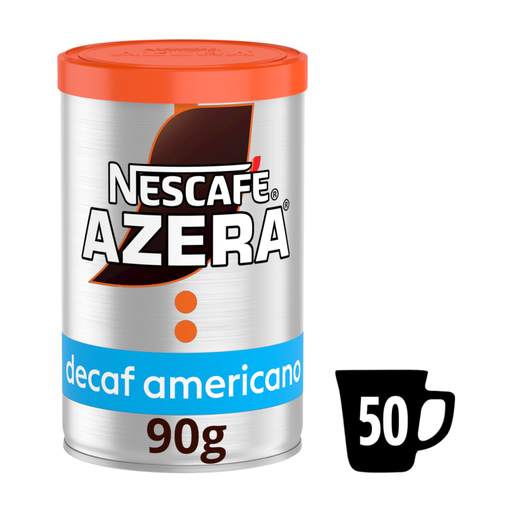 No image available
An instant option for a short break. NESCAFÉ describes AZERA Americano Decaf as rich and intense; that is the brand’s flavour description, not a comparative taste-test result.
 No image available
A decaf coffee option for an afternoon cup when you prefer this blend. Check its pack description against your flavour preference rather than assuming it has an extra-bold profile.
 No image available
Instant decaf for a break without separate brewing equipment. Kenco describes its Decaf flavour as balanced rather than especially bold; check the 100g pack if you are choosing by a particular intensity cue.
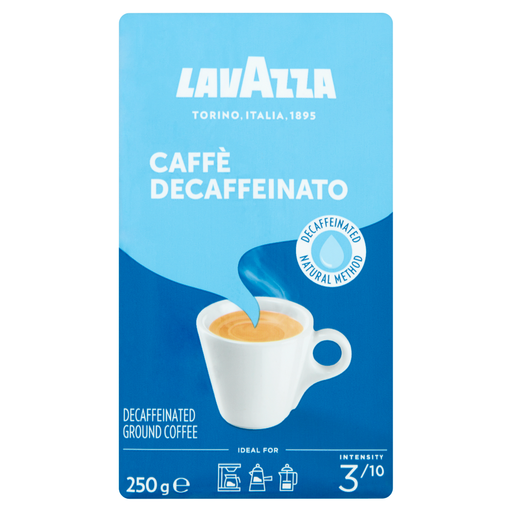 No image available
A ground-decaf option if you want to brew your afternoon cup. Check that the grind suits your brewer; ground coffee requires suitable brewing equipment.
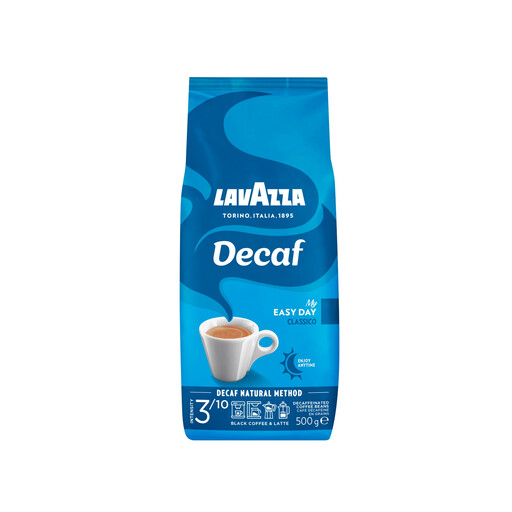 No image available
Whole-bean decaf for an afternoon cup if you want to grind and brew it yourself. You will need a grinder and suitable brewing equipment; check the pack’s flavour description against the taste you want.
No. NESCAFÉ’s coffee-strength guide says strength numbers tend to describe flavour intensity rather than caffeine content. Use a number as a cue within its brand’s range, not as a direct comparison between brands.
No. The British Heart Foundation gives an example of around 7mg of caffeine in a 200ml cup of decaf coffee. The amount in your cup can vary by product and preparation.
Instant coffee suits preparation with hot water and a mug. Choose ground coffee if you have a suitable brewer, or beans if you can also grind them; check the product’s flavour description rather than assuming the brewed formats will taste stronger.