Who is this choice for?
The reason for choosing a fruit tea matters more than how bold its name sounds.
Older adults who find plain drinks unappealing
A fruit infusion offers another drink to consider. NHS guidance says other drinks can count towards fluid intake, and Kent Community Health NHS Foundation Trust includes fruit tea among its examples. Follow any individual advice about fluids.
People with poor appetite or unintentional weight loss
A pleasant fruit tea serves a different purpose from a nourishing drink. NHS malnutrition guidance focuses on fortified foods high in calories and protein and drinks containing plenty of calories when addressing malnutrition.
People prescribed thickened fluids
Ordinary fruit tea is a thin drink unless prepared to the prescribed consistency. Follow the person’s swallowing plan and the preparation advice from their speech and language therapist or other clinician.
What should you check before choosing?
Start with the flavour the person is likely to enjoy, then check whether the drink fits their nutrition, ingredient and swallowing requirements.
| Priority | What to check | Your needs |
|---|
| Flavour |
Read the exact blend description and brewing directions. Teapigs describes Super Fruit as 'a little tart' and specifies a brew of at least 3 minutes; Twinings names blood orange, cranberry and pomegranate in its blend. |
I would choose a sharper fruit flavour if that appeals to the person drinking it, rather than treating 'strong' as a measured rating. |
| Drink choice |
Check the exact product’s caffeine statement if avoiding caffeine matters. NHS guidance says drinks other than water can count towards fluid intake; follow any individual fluid advice. |
Plain drinks are unappealing, so I want another drink the person enjoys having regularly. |
| Nutrition |
Check nutrition information for the exact pack. If poor appetite or malnutrition is being addressed, distinguish a fruit infusion from the fortified foods and calorie-containing drinks discussed in NHS guidance. |
Where eating enough is the concern, I need a drink choice that does not displace the person’s nutrition plan. |
| Swallowing |
Check whether thin fluids are permitted and, if not, use the prescribed consistency and preparation method. |
The drink must fit the person’s swallowing plan, not just their flavour preference. |
| Ingredients |
Read the exact pack’s ingredient and allergen statements, especially when changing blends or pack formats. GOV.UK says food businesses must declare any of 14 specified allergens used as ingredients. |
If an ingredient needs to be avoided, I want to check this particular blend rather than rely on its fruit-tea name. |
Which brands offer relevant blends?
These brand examples illustrate different stated flavours and product attributes; they are not a comparison of nutritional value or measured flavour strength.
Twinings
A reference for shoppers considering a citrus-and-berry infusion.
- Twinings describes Blood Orange & Cranberry as flavoured with blood orange, cranberry and pomegranate, and states that this product is sugar-free and caffeine-free.
- Those product details do not establish how intense it tastes compared with another blend.
Teapigs
A reference for shoppers considering a tart fruit profile.
- Teapigs describes Super Fruit as 'a little tart', labels it caffeine-free and instructs a brew of at least 3 minutes.
- Tartness is the manufacturer’s description, not a measured comparison with other fruit teas.
Pukka
A reference for shoppers who prefer apple with warming spices to tart berries.
- Pukka states that Wild Apple & Cinnamon contains organically grown apple, cinnamon and ginger and is naturally caffeine-free.
- Its spice profile does not establish a higher fruit concentration or nutritional value.
Clipper
A brand offering fruit and herbal infusions alongside its other teas.
- Clipper states that its products contain no artificial ingredients.
- Check the description of an individual Clipper blend for its flavour, ingredients and preparation directions.
Fruit tea options on Joybuy
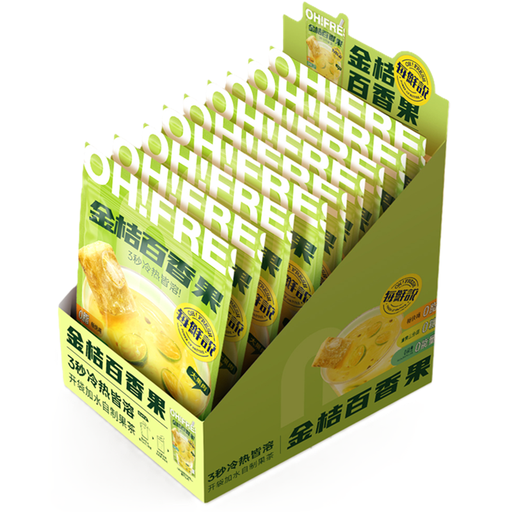
This single-cup fruit tea option is relevant to a preference for kumquat and passion fruit; check its pack details before choosing it for someone with specific dietary or swallowing requirements.
 No image available
Meixianshuo Fresh Fruit Tea Single Cup, Kumquat & Passion Fruit, 10 × 6 g
A single-cup option to consider when kumquat and passion fruit flavours appeal; the named pack contains ten 6 g portions. Check the exact pack’s citrus ingredients, sugar and nutrition information, and caffeine status before buying. If the person has a prescribed swallowing consistency, prepare drinks according to their individual plan.
View on Joybuy
Common questions
Can fruit tea count towards an older person’s fluid intake?
Yes. NHS guidance says drinks other than water can count towards fluid intake, and Kent Community Health NHS Foundation Trust lists fruit tea as one option. Follow any individual advice about fluids.
Does strong fruit tea replace a nourishing drink?
No: a pronounced flavour does not establish nutritional value. When malnutrition is being addressed, NHS guidance focuses on fortified foods high in calories and protein and drinks containing plenty of calories; seek appropriate advice for poor appetite or unintentional weight loss.
Can someone prescribed thickened fluids have ordinary fruit tea?
Only if thin fluids are permitted in their individual swallowing plan. Otherwise, follow the prescribed consistency and preparation method, with advice from their speech and language therapist or other clinician.
Are all fruit teas caffeine-free?
Do not assume so from the category name. Twinings, Teapigs and Pukka each describe the specific blends discussed here as caffeine-free, but check the exact product pack when avoiding caffeine matters.
What should I check if ingredients are a concern?
Read the ingredient and allergen statements on the exact pack, including when changing blends. GOV.UK says food businesses must tell consumers when any of 14 specified allergens are ingredients in their food or drink.


