Choose a strong-tasting green tea for its flavour, not on the assumption that a bolder brew or added matcha will control blood glucose. Diabetes UK lists unsweetened tea among drink options for people living with diabetes; compare plain tea, blends and decaffeinated options by their ingredients, how you will serve them and whether caffeine matters to you.
Who is this choice for?
People replacing sweetened hot drinks
If you live with diabetes and want tea you can enjoy without adding sugar, the way you prepare your cup matters as much as the tea you buy. Diabetes UK includes unsweetened tea among drink options for people living with diabetes.
Drinkers who prefer a fuller flavour
Look for a flavour style you enjoy, whether that means plain green tea, roasted tea or a blend. Treat descriptions such as ‘bold’ as taste guidance, not a measure of blood-glucose effects.
People watching their caffeine intake
Check whether the exact tea is caffeinated or decaffeinated. The NHS advises drinking caffeine in moderation, and decaffeinated green teas are available in the Twinings and Clipper ranges.
What should you check before buying?
Start with what will be in your cup, then decide which flavour and caffeine format fits the way you drink tea.
| Priority | What to check | Your needs |
|---|
| Ingredients and additions |
Read the exact pack’s ingredient list: plain green tea and blends are not the same product. Account for any sugar, honey or syrup you add when preparing it. |
I want a tea I can drink unsweetened as part of my usual routine. Diabetes UK lists unsweetened tea among drink options for people living with diabetes. |
| Flavour |
Use the maker’s taste description and brewing directions to choose a style. A ‘strong’ or ‘bold’ description is not a standardised comparison between products. |
A fuller-flavoured cup appeals to me, but I do not want to mistake stronger taste or matcha for a blood-glucose benefit. |
| Tea format |
Distinguish tea bags or loose tea from ready-to-drink beverages. For a matcha or flavoured blend, check all listed ingredients and any nutrition information for the exact product. |
I might prefer the convenience of a bottled drink, or I may want to brew plain tea and decide myself what goes into the cup. |
| Caffeine |
Check whether the exact product is caffeinated or labelled decaffeinated; do not assume a roasted or mild-tasting tea contains no caffeine. |
If I am limiting caffeine, an explicitly decaffeinated green tea may fit better than choosing by flavour alone. The NHS advises caffeine in moderation. |
What is easy to overlook?
-
Taking ‘strong’ or ‘matcha’ to mean better glucose control
Flavour intensity does not establish a treatment effect. A 2020 systematic review published in Diabetes & Metabolic Syndrome reported no significant effect of supplementary green-tea intake on several measured glucose-control outcomes in people with type 2 diabetes; it did not rank retail teas by taste.
Choose on ingredients and flavour instead. Do not replace prescribed diabetes treatment with green tea; Diabetes UK advises against substituting herbal or food supplements for diabetes medication.
-
Assuming every green tea contains only green tea
Plain and blended products can have different ingredient lists. For example, Clipper lists acerola juice granules alongside green tea and matcha in its Green Tea Matcha product.
Read the ingredient list for the particular plain, flavoured or matcha tea you intend to buy.
-
Sweetening a tea chosen for an unsweetened routine
What you add to a brewed tea changes the finished drink. Diabetes UK lists unsweetened tea as an option for people living with diabetes and advises cutting back on sugar in tea and coffee.
Try the tea plain first. If its flavour does not suit you, consider another tea style or follow the pack’s brewing directions rather than automatically adding sugar or syrup.
-
Overlooking caffeine
Green tea is not necessarily caffeine-free: Teapigs identifies its Mao Feng Green Tea as naturally caffeinated, while the NHS advises caffeine in moderation.
If reducing caffeine matters to you, select a product explicitly labelled decaffeinated and check the exact pack.
Which brands offer relevant options?
These brand ranges illustrate different ingredient and caffeine formats; a brand’s range description does not establish how strong every tea will taste.
Twinings
Its UK range includes pure, flavoured and decaffeinated green teas.
- Tesco Groceries lists Twinings Pure Green Tea 80 Bags as 100% green tea.
- Check the exact variety: the ingredients and caffeine format of a flavoured or decaffeinated tea should not be assumed from the plain product.
Clipper
Its range includes pure green tea, a matcha blend and a decaffeinated option.
- Clipper lists its Organic Fairtrade Pure Green Tea as 100% green tea.
- Clipper Tea Shop lists green tea, acerola juice granules and 5% matcha granules in Green Tea Matcha; it is not a single-ingredient alternative to the pure tea.
Teapigs
Mao Feng Green Tea is offered in tea temples and loose-tea formats.
- Teapigs lists pure Mao Feng green tea as the ingredient and 0g sugar per 100ml of prepared drink for the specified product.
- Teapigs identifies Mao Feng as naturally caffeinated and describes its flavour as delicate rather than extra-bold.
Pukka
Supreme Matcha Green combines green tea leaves and matcha for shoppers interested in a blend.
- Pukka describes the product as a green-tea-and-matcha blend.
- The presence of matcha does not establish a measured flavour-strength difference or a diabetes-management effect.
Tesco
Its green-tea range lists an own-label 20-pack alongside branded teas.
- An own-label option gives shoppers another pack format to compare.
- Check the exact pack’s ingredients and preparation information before comparing it with a tea labelled 100% green tea.
Green tea options on Joybuy
These options include tea bags, a roasted green tea, a matcha-and-rice blend and a ready-to-drink green-tea beverage. Compare their stated format and ingredients rather than treating the selection as a strength ranking or as diabetes treatment options.
 No image available
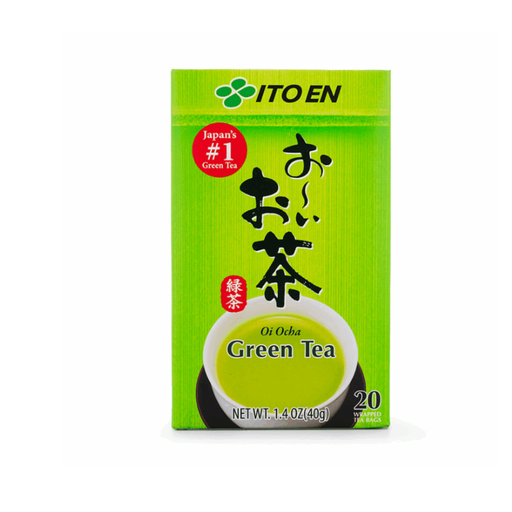
ITOEN OH-I OCHA Green Tea Bags, 40g, 20 bags
A tea-bag option if you want to brew green tea and decide what, if anything, to add. Its product description calls the flavour bold, but that wording is not a measured comparison with other teas. Check the pack if caffeine information is important to you.
View on Joybuy
 No image available
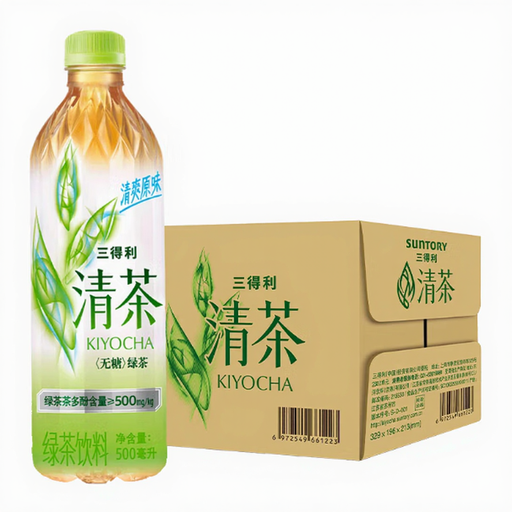
Suntory Clear Tea Unsweetened Original Green Tea, 15 × 500ml
A bottled option for someone who wants a ready-to-drink tea rather than a brewed cup. The product name identifies it as unsweetened; check the bottle’s ingredients and nutrition information when comparing it with plain green-tea bags. Strong flavour and caffeine content should not be assumed from the format.
View on Joybuy
 No image available
Tetley Green Tea Decaffeinated, 50 bags, 100g
A tea-bag option to consider when you want to reduce caffeine. The product is labelled decaffeinated, not caffeine-free; check the current pack if the precise caffeine information matters to you. Decaffeination alone does not indicate how bold the tea will taste.
View on Joybuy
 No image available
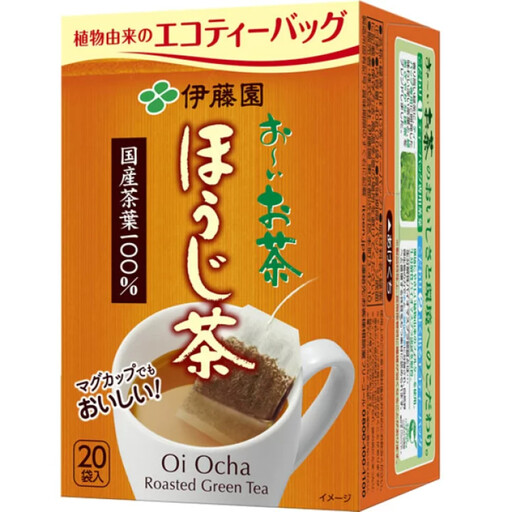
Itoen Oi Ocha Hojicha Premium Roasted Green Tea, 20 × 1.8g
Consider this roasted green tea if a toasty flavour appeals to you more than the taste of an unroasted tea. Roasting does not by itself establish a stronger brew or a particular caffeine amount; check the pack if caffeine affects your choice.
View on Joybuy
 No image available
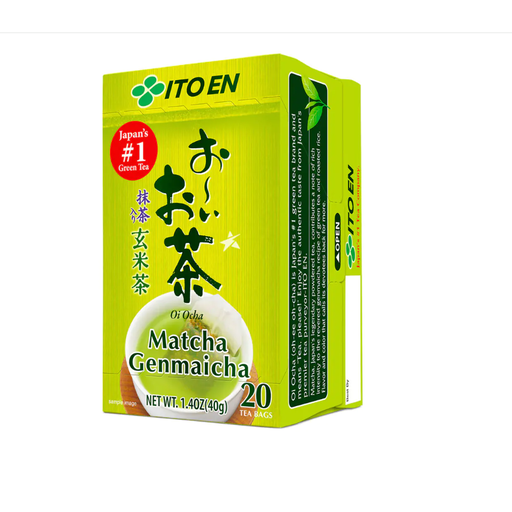
Itoen Oi Ocha Japanese Matcha Genmaicha, 20 bags, 40g
This matcha genmaicha is a choice for someone seeking a roasted-rice-and-green-tea style rather than plain green tea. Check its exact ingredient list and pack information if the blend’s composition, prepared-drink nutrition or caffeine matters to you. Matcha in the name does not establish a blood-glucose benefit.
View on Joybuy
Questions about green tea and diabetes
Is green tea automatically suitable if I have diabetes?
The product name alone cannot answer that. Diabetes UK lists unsweetened tea among drink options for people living with diabetes; check the particular tea’s ingredients and account for sugar, honey or syrup added to the cup.
Does stronger green tea control blood glucose better?
Do not use flavour strength as a measure of blood-glucose control. A 2020 systematic review published in Diabetes & Metabolic Syndrome reported no significant effect of supplementary green-tea intake on fasting glucose, fasting insulin, HbA1c or HOMA-IR in people with type 2 diabetes; it did not compare the flavour strength of these retail teas. Green tea should not replace prescribed treatment.
How can I choose a green tea with more flavour?
Compare the maker’s taste description and the tea style, then follow the brewing directions for the exact product. A roasted tea or matcha blend offers a different flavour profile, but neither its name nor a longer brew proves it is objectively stronger or better for diabetes management.
When might decaffeinated green tea make sense?
Consider an explicitly decaffeinated product if reducing caffeine is important to you. The NHS advises caffeine in moderation, while green-tea ranges can include both caffeinated and decaffeinated varieties; check the designation on the exact pack rather than assuming all green tea has the same caffeine content.


