Buyers planning a small retirement-shop range
A conventional pure green tea, a distinct blend and a separately labelled decaf option give shoppers different choices without promising that any one makes an extra-bold cup.


Stock a conventional pure green tea as a straightforward option, and trial a matcha-containing blend separately for shoppers seeking a different flavour. Do not label either route extra-bold on that basis alone: Twinings describes its Pure Green as mellow, Clipper describes its Pure Green as light and delicate, and Pukka’s disclosed matcha content does not measure brew strength. Keep a clearly labelled decaffeinated choice separate for shoppers concerned about caffeine.
A conventional pure green tea, a distinct blend and a separately labelled decaf option give shoppers different choices without promising that any one makes an extra-bold cup.
Clarify whether they mean a familiar green-tea flavour or want to try something different. Twinings calls its Pure Green mellow and Clipper calls its Pure Green light and delicate; a matcha blend is a different flavour route, not proof of greater strength.
A clearly identified decaffeinated product helps distinguish that choice from conventional green tea. People taking warfarin should discuss significant dietary changes with their clinician, as Cambridge University Hospitals NHS Foundation Trust advises.
Start by separating a request for stronger flavour from a request to reduce caffeine. Then check the pack and preparation directions for each product you intend to sell or serve.
| Priority | What to check | Your needs |
|---|---|---|
| Flavour | Read the maker’s flavour description. Treat matcha or roasting as a different style, not a measured extra-bold rating; trial the taste before widening the range. | I want to offer something beyond a delicate pure green tea without promising shoppers a strength the pack does not establish. Twinings describes Pure Green as mellow, while Clipper describes Pure Green as light and delicate. |
| Caffeine | Check whether the particular pack is labelled decaffeinated. Do not equate matcha or roasted green tea with caffeine-free tea. | Some shoppers want an identifiable decaf choice. The NHS notes that green tea contains caffeine and that caffeine can worsen urinary incontinence. |
| Preparation | Follow each product’s own water and infusion directions rather than extending brewing time to claim a stronger product. | Staff need directions they can give consistently. Twinings specifies one bag in 200 ml of freshly boiled water for 3 minutes; Clipper specifies cooling boiled water for a minute, then infusing for 1–3 minutes. |
| Dietary changes | Avoid medication-related claims on shelf labels. Direct questions about a substantial change in tea consumption to the shopper’s clinician or pharmacist. | If I take warfarin, I need individual advice before substantially changing my intake. Cambridge University Hospitals NHS Foundation Trust advises discussing significant dietary changes with a doctor because changes in vitamin K intake can affect INR control. |
That label may set the wrong expectation when Twinings describes Pure Green as mellow and Clipper describes Pure Green as light and delicate.
Use the maker’s flavour wording and trial a separate blend with interested shoppers before expanding the range.
The NHS identifies green tea as a caffeine-containing drink, and Pukka states that its matcha green tea contains caffeine.
Identify a specifically labelled decaffeinated product as a separate choice; check the pack rather than relying on the style name.
Cambridge University Hospitals NHS Foundation Trust advises that significant changes in vitamin K intake can affect INR control for people taking warfarin.
Avoid medication claims and refer questions about substantial dietary changes to the customer’s clinician or pharmacist.
Its Pure Green Tea is a reference point for a conventional green tea, not a substantiated extra-bold option.
Its Organic Fairtrade Pure Green provides a single-ingredient green-tea reference in 20-bag and 80-bag formats.
Supreme Matcha Green offers a matcha-containing alternative to conventional pure green tea.
Its range includes mao feng green tea, green tea with mint and matcha categories.
The retailer’s green-tea range provides a reference point for a decaffeinated alternative.
These tea-bag options cover conventional green tea, matcha and roasted variations, and a separately labelled decaffeinated tea. Consider the different flavours as trials rather than a ranking by strength.
 No image available
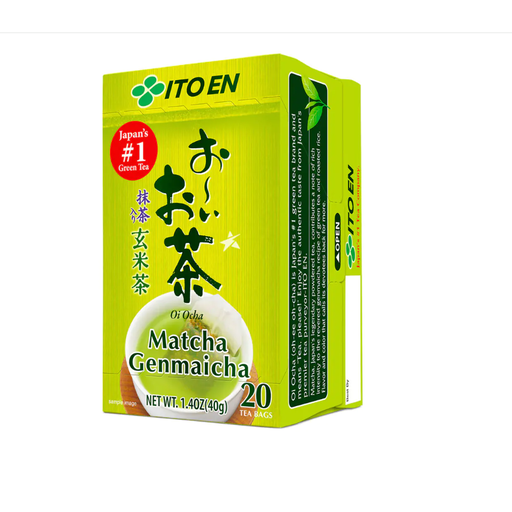
A matcha-containing genmaicha option for a small trial alongside conventional green tea. The 20-bag, 40g pack does not establish an extra-bold cup; check the pack for caffeine and infusion directions before advising shoppers or staff.
 No image available
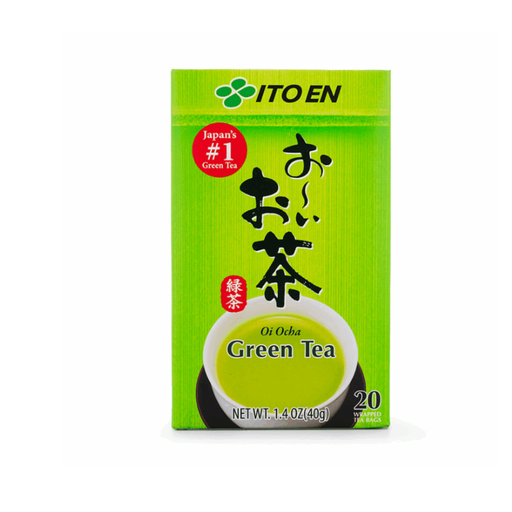
A conventional green-tea option to trial when shoppers ask for a familiar cup. The product description calls its taste rich and bold, but that wording is not a measured strength rating; check the pack for caffeine and brewing directions.
 No image available
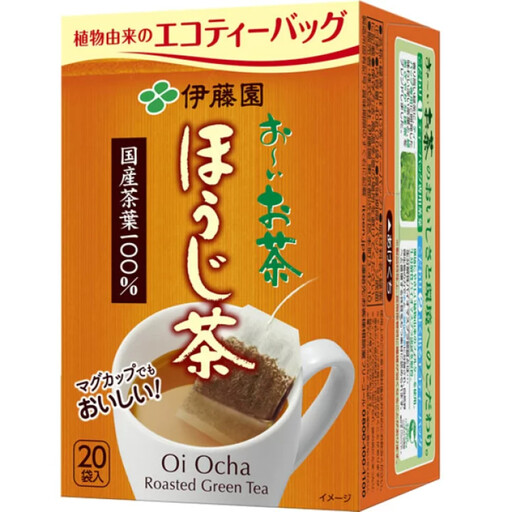
A roasted green-tea variation for shoppers interested in a different taste, rather than a proven extra-bold brew. Do not treat the product description’s low-caffeine wording as a quantified caffeine level; check the pack before presenting it as an alternative for caffeine concerns.
 No image available
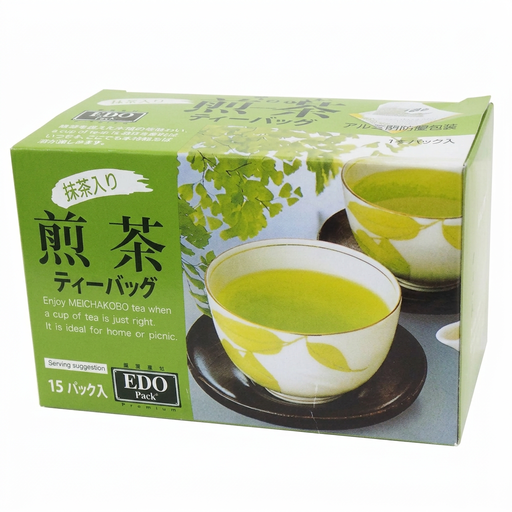
A sencha-and-matcha pyramid tea-bag option for a trial of a different green-tea style. Matcha in the product name does not establish extra-bold flavour; check the pack for caffeine and preparation directions.
 No image available
A separately labelled decaffeinated choice, not a solution to a request for stronger flavour. The listing describes the tea as light and states a decaffeination level of 0.2%; do not describe it as caffeine-free.
Not necessarily: ask what flavour the shopper wants rather than treating “strong” as a standardised grade. Twinings describes Pure Green as mellow and Clipper describes Pure Green as light and delicate; a matcha-containing blend is another style to trial, not proof of greater strength.
Start with the product’s own directions instead of promising that a longer infusion will produce an extra-bold tea. Twinings specifies one bag in 200 ml of freshly boiled water for 3 minutes; Clipper specifies cooling boiled water for a minute and infusing for 1–3 minutes.
A separate, clearly labelled decaf choice serves shoppers who want to reduce caffeine; it should not be presented as the stronger-flavour option. The NHS identifies green tea as caffeine-containing and notes that caffeine can worsen urinary incontinence. Check the particular decaf pack when ordering.
Refer a question about substantially changing consumption to their clinician, pharmacist or anticoagulation service rather than making a medication-related recommendation. Cambridge University Hospitals NHS Foundation Trust advises discussing significant dietary changes with a doctor because changes in vitamin K intake can affect INR control.