Brunch hosts looking for a noticeable flavour
If plain green tea sounds too restrained for the occasion, consider whether you want matcha, mint or a roasted style. These describe different flavours, not measured levels of strength.


For Sunday brunch, choose by the flavour you want rather than assuming that a longer brew will make one green tea an inherently stronger choice. Matcha-containing, mint-blended or roasted teas offer different flavour styles, while the cited pure green teas are described by their makers as mellow or delicate; those descriptions do not establish an objective strength ranking. Follow the chosen pack’s brewing directions before judging the cup.
If plain green tea sounds too restrained for the occasion, consider whether you want matcha, mint or a roasted style. These describe different flavours, not measured levels of strength.
A pure green tea may suit guests who want the mellow or delicate profiles described by Twinings, Clipper and Teapigs. Check the particular tea’s brewing directions rather than treating all green teas alike.
Check whether the tea is specifically labelled decaffeinated. Teapigs identifies its mao feng green tea as naturally containing caffeine, while Clipper sells a separate decaf green tea.
Start with the flavour style, then check how the tea is prepared and whether its caffeine labelling suits the guests you are serving.
| Priority | What to check | Your needs |
|---|---|---|
| Flavour style | Read the named tea and ingredients: pure green tea, matcha blends, mint blends and roasted green tea are distinct choices. Manufacturer flavour descriptions are not comparable strength measurements. | I want a flavour that stands out at brunch, so I’ll choose a style I actually want rather than relying on the word “strong”. If I prefer a quieter cup, a pure tea described as mellow or delicate may be more appropriate. |
| Brewing | Check the pack’s water-temperature, dose and infusion directions. The UK Tea & Infusions Association gives around 80°C as general green-tea guidance and lists different times for Gunpowder and Sencha. | Before deciding a tea lacks flavour, I want to make it as directed. I won’t use an unusually hot or long brew as a substitute for choosing the flavour style I want. |
| Serving format | Check whether the product is in tea bags, loose leaf or matcha intended for preparing a drink, and confirm the serving directions on the pack. | Tea bags may fit a brunch where I’m preparing several cups; if I choose loose tea or matcha, I’m happy to check the measuring and preparation steps first. |
| Caffeine | Look for an explicit decaf label if caffeine avoidance matters. For guests also using caffeine supplements, Food Standards Scotland advises counting tea alongside other caffeine sources. | If a guest needs to avoid caffeine, I’ll choose a specifically labelled decaf tea rather than assuming ordinary green tea is caffeine-free. |
Clipper calls its Pure Green light and delicate, Twinings describes its Pure Green as smooth, earthy and mellow, and Pukka lists matcha and mint in some blends. The name of the category alone cannot tell you which flavour you will prefer.
Choose between a pure, blended or roasted style before comparing formats. Treat “extra-bold” as a claim to check, not a conclusion drawn from an ingredient name.
The UK Tea & Infusions Association gives around 80°C as general guidance for green tea, but individual products have their own directions; Twinings, for example, instructs users to infuse its Pure Green teabag in freshly boiled water.
Follow the instructions for the tea you bought, including its water temperature and infusion time, before deciding whether its flavour suits brunch.
Teapigs identifies its mao feng as naturally containing caffeine. A decaf green tea is a separately labelled choice, not an attribute of every green tea.
Check for a decaf label where caffeine avoidance matters. Food Standards Scotland advises people using caffeine supplements to account for tea alongside other caffeine sources.
These examples describe particular teas and ranges; they do not establish which brand makes the strongest green tea or which products are stocked on Joybuy.
Twinings describes its Pure Green Tea as smooth, earthy and mellow and lists Gunpowder Green in its loose-leaf range.
Clipper offers pure, flavoured and decaffeinated green-tea options.
Pukka’s Mint Matcha Green combines sencha, matcha, field mint and spearmint; its Supreme Matcha Green is described as a blend of green teas and matcha.
Teapigs describes its mao feng green tea as delicate and natural in taste.
These products offer matcha-containing, roasted and other green-tea styles to consider for Sunday brunch. Choose by the stated style and preparation format, rather than treating their order as a flavour-strength ranking.
 No image available
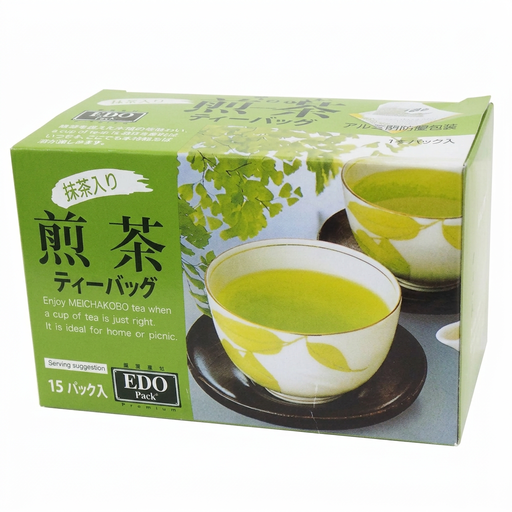
A sencha-and-matcha tea-bag option if you want that blend for brunch without measuring loose leaves. Check the pack’s brewing directions; the name does not establish a measured strength.
 No image available
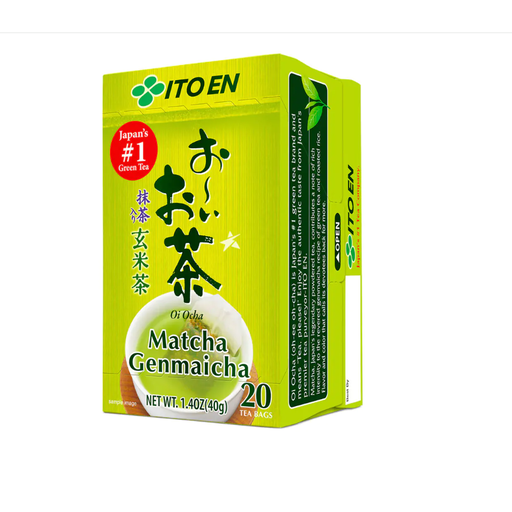
Consider this tea-bag format if you want a matcha genmaicha style for guests. The named style is a flavour choice, not evidence of an extra-bold cup; follow the pack’s infusion directions.
 No image available
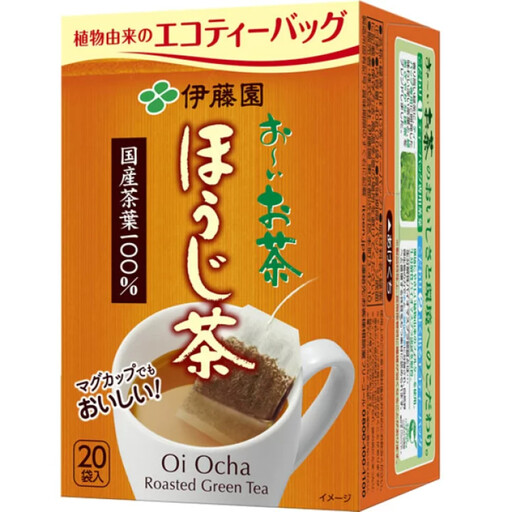
The roasted hojicha style is an option if you want a different flavour from an unroasted green tea in a tea-bag format. Roasting does not establish an objective strength or caffeine amount; check the pack if caffeine matters to a guest.
 No image available
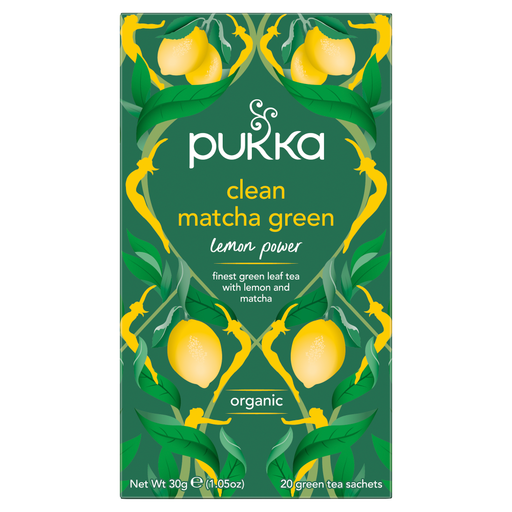
A matcha-named green-tea option for a brunch menu. Check its pack for the preparation format, serving directions and full ingredients before deciding how it fits alongside other drinks.
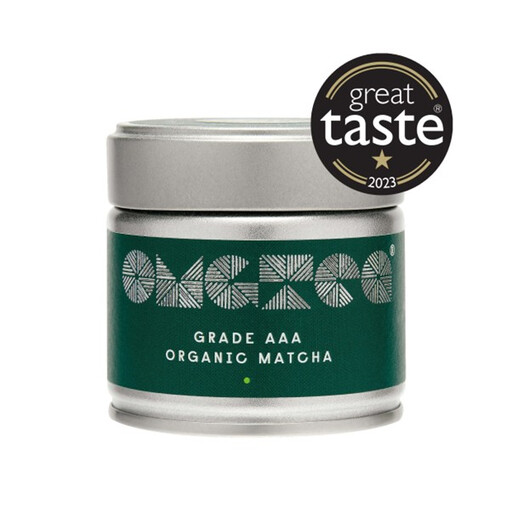 No image available
Choose this matcha product if you want to prepare a matcha drink rather than serve ordinary green-tea bags. Check the pack for its method and serving dose; “AAA” does not provide a comparison of brewed flavour strength.
Follow the directions for the tea you are serving. As general guidance, the UK Tea & Infusions Association gives around 80°C for green tea and lists 3–4 minutes for Gunpowder and 2–2.5 minutes for Sencha; a particular pack may give different instructions.
No: changing the infusion does not establish that the tea itself is an objectively stronger variety. Start with its stated directions—Twinings specifies 3 minutes for Pure Green Tea, Clipper specifies 1–3 minutes for Pure Green, and Teapigs specifies 3 minutes at 80°C for its mao feng tea temples.
Look for a green tea specifically labelled decaffeinated and check its current pack information. Ordinary green tea should not be assumed caffeine-free: Teapigs identifies its mao feng as naturally containing caffeine, while Clipper sells a separate decaf green tea.