Sellers using espresso or moka equipment
Start with coffee labelled for your preparation method. If customers ask for a strong cup, compare the maker’s flavour description as well as its intensity label.


Choose ground coffee for the brewer you will take to the car boot sale, then decide what sort of bold flavour you want to serve. Lavazza Espresso Barista Intenso Ground is labelled for espresso and moka and has a 9/10 intensity rating on Lavazza’s scale; illy Ground Espresso INTENSO is espresso-focused, while Taylors describes Rich Italian as rich and smooth without the bitterness it associates with some darker roasts. Strength ratings are not a standardised measure of caffeine, so check preparation instructions rather than comparing pack numbers across brands.
Start with coffee labelled for your preparation method. If customers ask for a strong cup, compare the maker’s flavour description as well as its intensity label.
Check the coffee’s preparation guidance before buying for your stall. A rich, smooth blend may suit a mixed crowd without relying on an espresso-focused product.
Plan how you will keep milk cool and communicate applicable allergen information. Check whether your selling activity needs food-business registration with the relevant local authority.
Choose the brewing setup first; then compare flavour, pack handling and the practical requirements of serving drinks at the event.
| Priority | What to check | Your needs |
|---|---|---|
| Brewing method | Check the preparation methods named on the pack and the requirements of your brewer. Lavazza labels Espresso Barista Intenso Ground for espresso and moka; illy presents Ground Espresso INTENSO for espresso. | I need coffee that matches the equipment I can use at the stall, rather than assuming an espresso-focused grind will suit a cafetière or filter. |
| Flavour | Compare roast and tasting descriptions. According to Lavazza, its Espresso Barista Intenso Ground is intense and full-bodied; Taylors describes Rich Italian as rich and smooth. | For customers requesting a bold cup, I want a flavour description I can serve with confidence—not just a large number on the packet. |
| Intensity label | Read a rating within its maker’s range, not as a cross-brand caffeine comparison. Which? says packet strength broadly reflects roast intensity and flavour profile, and that scales are inconsistent. | I would not describe one coffee as having more caffeine solely because its intensity number is higher. |
| Pack handling | Check pack size and the exact storage instructions after opening. illy advises keeping its Ground Espresso INTENSO away from light and heat, preferably refrigerated after opening. | If I expect to make only a few drinks, I want a pack I can store according to its label after the sale. |
| Drink service | Confirm registration requirements with the relevant local authority. For milk and other normally refrigerated foods, Food Standards Scotland advises keeping them cool during an event. | Before serving milk-based drinks, I need a way to keep milk cool and provide applicable allergen information. |
Which? explains that packet strength broadly describes roast intensity and flavour profile, not caffeine content, and that brands do not use a consistent scale.
Use the rating as a flavour cue. Check the roast, tasting description and brewing method, then try the coffee with your planned serving size.
Lavazza labels Espresso Barista Intenso Ground for espresso and moka, while illy presents Ground Espresso INTENSO for espresso. Neither statement establishes how the coffee will work in your cafetière or filter setup.
Choose your brewer first and check the exact pack’s preparation instructions before buying.
The Food Standards Agency says selling, preparing or handling food may make an operator a food business that needs registration. The answer depends on the activity and location.
Ask the relevant local authority about your setup before trading. If you serve milk drinks, plan cold storage and applicable allergen information too.
Storage instructions vary by product: illy gives specific advice for its Ground Espresso INTENSO, while Rombouts describes its loose-ground range as vacuum-packed before opening.
Choose a pack size that suits your expected service and follow the label’s instructions once it is open.
An espresso-and-moka option for a stall seeking a coffee described as intense.
Ground Espresso INTENSO is an espresso-focused coffee sold in a 250g can.
Rich Italian is a flavour-led alternative when a smooth cup matters alongside richness.
Offers loose ground coffee and a separate one-cup filter format for individual servings.
A supermarket ground-coffee range to consider when choosing from a local shop.
A distinct option if you decide to offer a coffee blended with decaffeinated coffee alongside your main drink.
These ground-coffee options include a product named for cafetière and filter preparation, alongside other coffees to assess against your brewer and preferred flavour.
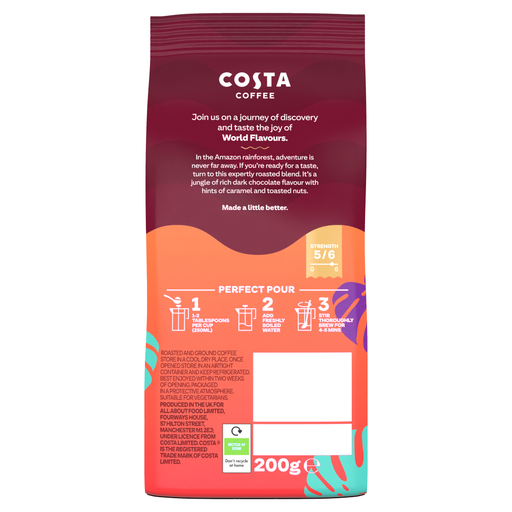 No image available
The named cafetière and filter preparations make this a starting point for a stall using either brewer. Check the ingredients on the exact pack if they matter to what you serve.
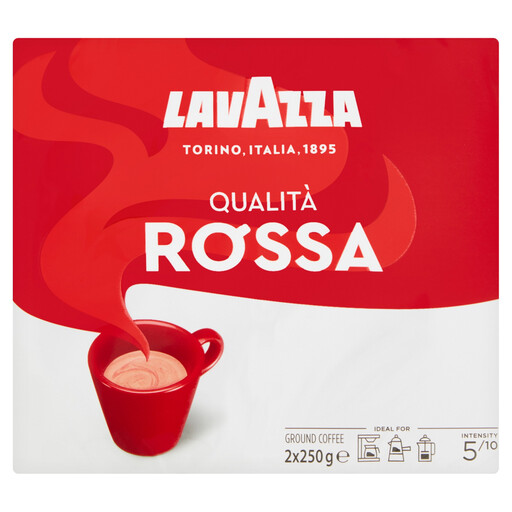 No image available
For a 500g pack, plan how much coffee the event is likely to use and follow the pack’s storage instructions afterwards. Try it with your intended brewer and serving size: its flavour description varies by preparation method.
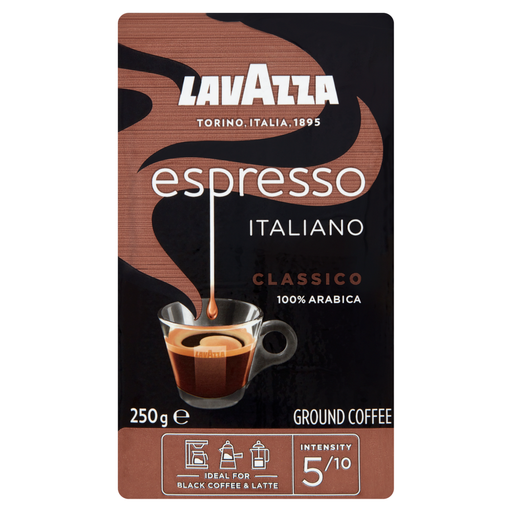 No image available
If customers expect a particularly forceful cup, try this coffee with the brewer and serving size you plan to use. Check the exact pack’s preparation and after-opening storage instructions before the event.
No. Which? says packet strength broadly reflects roast intensity and flavour profile rather than caffeine content, and that brands do not use a consistent scale. Use the number alongside the flavour description, not as a caffeine claim to customers.
Check the exact product’s preparation statement against your equipment. Lavazza labels Espresso Barista Intenso Ground for both espresso and moka, while illy presents Ground Espresso INTENSO for espresso. Neither statement confirms that a different brewer is suitable.
Ask the relevant local authority before trading; a car boot sale is not automatically exempt. The Food Standards Agency says selling, preparing or handling food may make an operator a food business that needs registration, depending on the activity. In Scotland, Food Standards Scotland says food businesses must register with their local authority at least 28 days before opening.
Plan for milk storage and applicable allergen information. Food Standards Scotland advises keeping foods normally refrigerated cool during events, using a cool box or bag with ice or cold packs. The Food Standards Agency says allergen labelling law applies to registered food businesses; confirm what information your drinks require for your particular setup.