For a direct, cooling flavour alongside biscuits, start with pure peppermint; for warmth and spice, compare ginger-led blends and follow the brewing directions for the exact product. A herbal label alone does not tell you how strong the cup will taste, and mixed selections may contain both delicate and more assertive flavours. Check the full ingredients and caffeine declaration, particularly if liquorice, mint or citrus matters to you.
Who is this for?
Shoppers after a pronounced flavour
If you want a herbal drink that still has a noticeable flavour beside biscuits, compare specific descriptions of mint or ginger and the stated brewing method. Teapigs describes its peppermint infusion as strongly minty; Yogi Tea gives a longer-infusion option for its Ginger blend.
Mint and ginger flavour loyalists
If you already favour one of these flavours, decide whether you want pure peppermint or a ginger blend with other botanicals. The ingredient list matters: a ginger-named tea can also contain lemongrass, peppermint or liquorice.
Ingredient-cautious buyers
If pregnancy, hypertension or a known reflux trigger affects your choice, inspect the exact blend rather than relying on its front-of-pack flavour name. NHS pregnancy guidance advises avoiding teas containing liquorice root, and Cambridge University Hospitals notes that peppermint may worsen reflux symptoms for some people.
What should you check?
Choose the flavour style first, then check the ingredients and brewing directions of the individual tea.
| Priority |
What to check |
Your needs |
| Flavour |
Look for a product-specific taste description and its leading ingredients. Teapigs describes its pure peppermint as strongly minty; Yogi Tea describes its Ginger blend as spicy and zesty. |
I want a clear mint flavour beside a plain biscuit, or ginger and spice beside a more robustly flavoured biscuit. |
| Brewing |
Follow the directions for the exact tea. Teapigs specifies at least 3 minutes for its peppermint; Yogi Tea specifies 5–7 minutes for Ginger, or longer for a stronger flavour. |
Can I allow the stated brewing time when making a cup? I would rather check the pack than assume every blend gets stronger in the same way. |
| Blend contents |
Read the full ingredient list, not just the flavour name. Twinings lists ginger root and liquorice root in the Spiced Ginger sachet in its Herbal Discovery Collection. |
I prefer to know whether my ginger tea also contains liquorice, mint or citrus before choosing it. |
| Caffeine |
Check the exact product’s caffeine declaration and ingredients. Teapigs says most, but not all, herbal teas are naturally caffeine free. |
For a later biscuit break, I want to confirm that the tea I pick is caffeine free rather than assume it from the category name. |
| Variety |
Check which flavours are in a selection box and assess each sachet separately. Twinings’ Herbal Discovery Collection includes a Spiced Ginger option with its own ingredient warning. |
Am I trying several flavours, or do I want the same mint or ginger profile each time? |
Common buying mistakes
-
Assuming every herbal tea tastes strong
Herbal teas cover different flavour styles, so a category label does not establish how a particular cup will taste beside biscuits.
Compare the exact tea’s flavour description, ingredients and brewing directions. Pure peppermint offers a direct mint profile; ginger blends may add spice and other botanicals.
-
Overlooking liquorice in a ginger blend
Twinings lists liquorice root in its Spiced Ginger sachet and warns that people with hypertension should avoid excessive consumption. NHS pregnancy guidance advises avoiding teas containing liquorice root.
Check the ingredients on the exact pack when either consideration applies; a ginger flavour name does not rule out liquorice.
-
Assuming an after-dinner mint suits everyone
Cambridge University Hospitals lists peppermint and other mints among foods that may worsen reflux symptoms for some people with gastro-oesophageal reflux disease (GORD).
If mint is a known trigger for you, check the whole blend and choose a flavour without it rather than relying on an after-dinner description.
-
Choosing a blend to treat a symptom
A tea’s flavour description is not evidence that it treats digestion, sleep or another health problem. The NHS cautions that herbal medicines are not tested in the same way as standard medicines.
Choose a tea for its ingredients and taste. If you are considering a herbal product for a health problem or take regular medicines, ask a pharmacist or clinician for advice.
Brand references for mint and ginger infusions
These examples illustrate different flavour styles; the details apply to the named products, not every tea from each brand.
Teapigs
Its pure-peppermint infusion is a route for shoppers who want a direct mint flavour.
- Teapigs describes its peppermint tea as having a strong minty taste and specifies a brew of at least 3 minutes.
- A pure mint flavour will not provide the spice or mixed flavours of a ginger blend.
Yogi Tea
Its Ginger tea combines ginger with other botanicals for a spicy, zesty profile.
- Yogi Tea specifies a 5–7 minute infusion for Ginger, or longer for a stronger flavour.
- The blend also contains lemongrass and peppermint, so it is not a pure-ginger option.
Clipper
Its peppermint and After Dinner Mints products offer a choice between a single herb and a mixed mint blend.
- Clipper’s Organic Peppermint lists peppermint as its ingredient; After Dinner Mints combines peppermint, spearmint, fennel and ginger.
- The mixed blend has more ingredients to consider than the pure-peppermint infusion.
Twinings
Its Herbal Discovery Collection offers different flavours rather than one consistent mint or ginger profile.
- The collection includes Spiced Ginger; Twinings says to infuse a sachet for 3 minutes, or longer for a stronger cup.
- Its Spiced Ginger contains liquorice root and carries a warning for people with hypertension, so check each sachet separately.
Pukka
Pukka’s UK herbal range includes mint- and ginger-led choices as well as other flavour styles.
- Pukka describes its blends as combinations of several herbs, giving shoppers distinct ingredient profiles to compare.
- Neither the Pukka name nor a herbal label establishes that a particular blend will taste strong; check the specific product.
Joybuy product options
These options cover ginger-based drinks and a pure-peppermint infusion for a biscuit break. Compare their stated ingredients and preparation details rather than treating them as equally strong-tasting.
 No image available
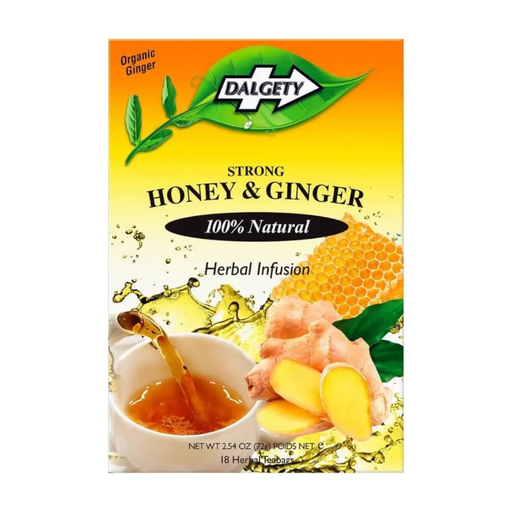
Dalgety Honey & Ginger Tea 72g
For a ginger-flavoured cup beside biscuits, the product description lists 40% ginger and describes a robust, spicy flavour. It states that the tea is caffeine free and lists honey crystals, sucrose and citrus ingredients. Check the pack for its brewing directions.
Joybuy
 No image available
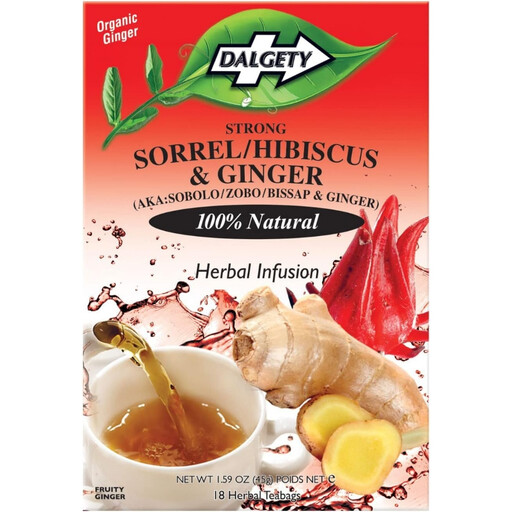
Dalgety Sorrel, Hibiscus & Ginger Tea 45g
This loose tea combines ginger with hibiscus for a spicy, tart flavour profile. Its description states that it is caffeine free and gives a 5–7 minute steep; preparation requires measuring and straining the tea. Check the ingredients if the proportion of ginger matters to your choice.
Joybuy
 No image available
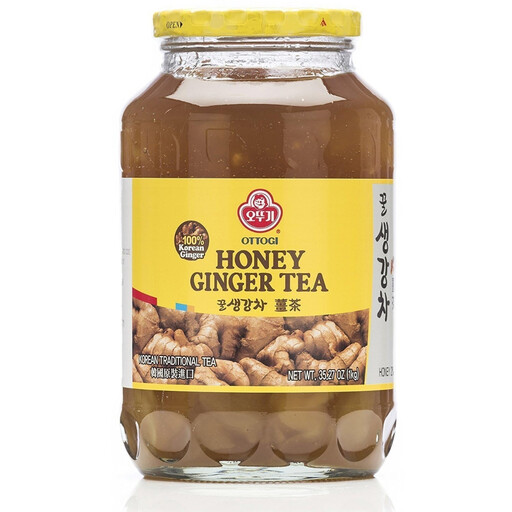
Otoki Ginger Tea 1kg
For a direct ginger flavour, the product description lists ginger as the ingredient and describes a spicy-sweet profile. Check the exact pack for caffeine information and preparation directions before deciding whether it suits your biscuit break.
Joybuy
 No image available
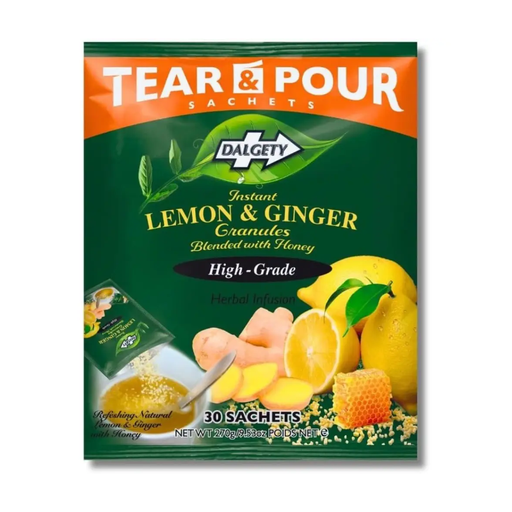
Dalgety Lemon & Ginger Tea Pouch 270g
This option pairs dried ginger with lemon, orange and lemongrass; its description identifies it as caffeine free. Check the pack for ingredient proportions and brewing directions if ginger intensity is your deciding factor. The citrus ingredients also matter if citrus is a personal reflux trigger.
Joybuy
 No image available
Twinings Pure Peppermint 80 Pack
For a single-note mint option, this product lists 100% peppermint and is described as caffeine free. Check the pack’s brewing directions if flavour intensity is decisive. Peppermint may not suit someone whose reflux symptoms are triggered by mint, as noted in guidance from Cambridge University Hospitals.
Joybuy
Frequently asked questions
Does herbal tea always mean caffeine free?
No. Teapigs says most, but not all, herbal teas are naturally caffeine free. Check the caffeine declaration and ingredients of the exact product rather than relying on the herbal-tea category.
How can I brew a stronger-tasting cup?
Follow the directions for your particular tea. Teapigs specifies at least 3 minutes for its peppermint infusion, while Yogi Tea specifies 5–7 minutes for Ginger, or longer for a stronger flavour. Do not apply one product’s timing to every blend.
What should I check about herbal tea during pregnancy?
Check every blend for liquorice root. NHS pregnancy guidance advises avoiding teas containing it and drinking no more than 4 cups of herbal tea a day. A ginger-named blend can contain liquorice: Twinings lists it in the Spiced Ginger sachet of its Herbal Discovery Collection.
Is peppermint a good choice if I have reflux?
That depends on whether mint triggers your symptoms. Cambridge University Hospitals lists peppermint and other mints among foods that may worsen symptoms for some people with GORD. If mint is a known trigger, check the full ingredients and choose a blend without it.
Should I choose a herbal tea for a claimed health effect?
Choose it as a drink, not as treatment for a symptom. The NHS cautions that herbal medicines are not tested in the same way as standard medicines. If you are considering a herbal product for a health problem or take regular medicines, seek advice from a pharmacist or clinician.


