Choose the kind of bold flavour you want rather than assuming all herbal teas taste strong in the same way: pure peppermint gives a mint-led cup, while ginger blends take a warming, spicy direction. If you usually add milk, Teapigs describes its caffeine-free honeybush and rooibos blend as suitable with or without it. Check each product’s caffeine statement, ingredients, warnings and brewing instructions before buying.
Who is this for?
Breakfast shoppers seeking bold flavour without caffeine
If you want a hot drink with a pronounced flavour but not conventional breakfast tea, compare the mint, ginger and honeybush-and-rooibos routes. Check the caffeine statement on the particular blend you choose.
Mint and spice flavour seekers
A cooling peppermint cup and a warming ginger blend offer different experiences at breakfast. Choosing between those flavours before buying a multipack helps narrow the options.
Ingredient-conscious herbal tea buyers
Read beyond the flavour name when choosing a blend. Liquorice warnings, pregnancy guidance or a known sensitivity to mint may affect which ingredients you want to avoid.
What should you check?
Start with the flavour you would want alongside breakfast, then check the exact blend and its preparation instructions.
| Priority |
What to check |
Your needs |
| Flavour |
Compare pure mint with ginger-led or honeybush-and-rooibos blends. Teapigs describes its peppermint as strong minty; Yogi Tea lists 41% ginger in Ginger Orange with Vanilla. |
I want a flavour that stands out at breakfast, whether that means cooling mint or warming spice. |
| Brewing |
Follow the instructions for the particular product. Teapigs specifies 3+ minutes for its peppermint; Twinings allows longer than 3 minutes for a stronger cup of its Herbal Discovery Collection. |
If a cup tastes too light, I want to know the stated brewing range before changing how I make it. |
| Caffeine |
Check the exact product’s caffeine statement, particularly for a mixed box. Teapigs labels its peppermint and honeybush-and-rooibos products naturally caffeine-free; Twinings says the same of its Herbal Discovery Collection. |
A caffeine-free breakfast drink matters to me, so I would check the blend rather than rely on the word “herbal” alone. |
| Ingredients |
Read the full ingredient list and warnings. Twinings Spiced Ginger and Yogi Tea Ginger Orange with Vanilla contain liquorice and carry warnings about excessive consumption for people with hypertension. |
I need to know what is in a ginger blend before choosing it, not just how the front of the pack describes its flavour. |
| Milk |
Look for guidance on the specific blend. Teapigs describes its honeybush and rooibos tea as suitable with or without milk. |
I usually add milk to a breakfast drink and want a herbal option whose product guidance accounts for that. |
| Pack format |
Compare the number of bags or servings and the flavours included. Twinings Herbal Discovery Collection contains Buttermint, Camomile & Honey, Spiced Ginger and Double Mint. |
If we are trying several flavours over breakfast, a mixed box appeals; if I already have a favourite, I would check a single-flavour pack. |
Buying pitfalls
-
Expecting every herbal tea to have the same kind of strength
A mint-forward infusion, a ginger blend and a honeybush-and-rooibos tea have different flavour profiles. A strong mint description does not promise the character of strong black breakfast tea.
Pick the flavour direction first, then use the brewing instructions for that product when assessing the cup.
-
Overlooking liquorice in a ginger blend
The reviewed Twinings Spiced Ginger and Yogi Tea Ginger Orange with Vanilla blends contain liquorice and carry warnings about excessive consumption for people with hypertension. NHS pregnancy guidance also advises avoiding teas containing liquorice root.
Check the complete ingredient list and pack warning before buying a blend, especially a mixed box.
-
Reading wellness wording as a promised result
A tea’s flavour, ingredients or caffeine status does not establish that it treats a condition.
Choose using the product’s ingredients, preparation and suitability information rather than expecting a medical outcome.
-
Buying a selection box when you want one familiar flavour
A mixed box divides its servings between different blends, so it may leave fewer bags of the flavour you reach for at breakfast.
Use a collection to compare flavours; if you already know your preference, check the contents of a single-flavour pack instead.
Brand references for herbal tea
Teapigs
Its peppermint and honeybush-and-rooibos products offer two distinct breakfast flavour routes.
- Teapigs describes its pure peppermint as strong minty and specifies a brew of 3+ minutes.
- The brand labels its honeybush-and-rooibos blend naturally caffeine-free and suitable with or without milk.
- The peppermint description is the brand’s account of its flavour, not an independent taste comparison.
Twinings
Its Herbal Discovery Collection lets shoppers compare four herbal blends before choosing one flavour for regular breakfasts.
- The collection includes Double Mint and Spiced Ginger, is labelled naturally caffeine-free and permits a longer brew for a stronger cup.
- Spiced Ginger contains liquorice and carries a warning about excessive consumption for people with hypertension.
Yogi Tea
Ginger Orange with Vanilla is a ginger-led option for shoppers seeking a warming flavour.
- Yogi Tea lists 41% ginger and instructs a 5–7 minute infusion, or longer for a stronger flavour.
- This blend contains liquorice and carries a warning about excessive consumption for people with hypertension.
Clipper
Its Organic Peppermint Infusion offers a single-ingredient mint option.
- Clipper lists organically grown peppermint as the ingredient, labels the infusion naturally caffeine-free and specifies a 2–5 minute brew.
- Clipper describes this product as light and refreshing; that wording may not match a search for a particularly forceful mint flavour.
Pukka
Pukka’s UK herbal range includes mint, ginger, berry, chamomile and blended options.
- The range offers several flavour directions to consider for a weekend breakfast.
- Check the ingredients and brewing guidance of an individual Pukka tea before judging whether its flavour suits you.
Joybuy herbal tea options
These options cover ginger-led, mint and mixed-botanical drinks for the weekend-breakfast question. Check each listing and pack for the ingredients, caffeine status and preparation details that matter to you.
 No image available
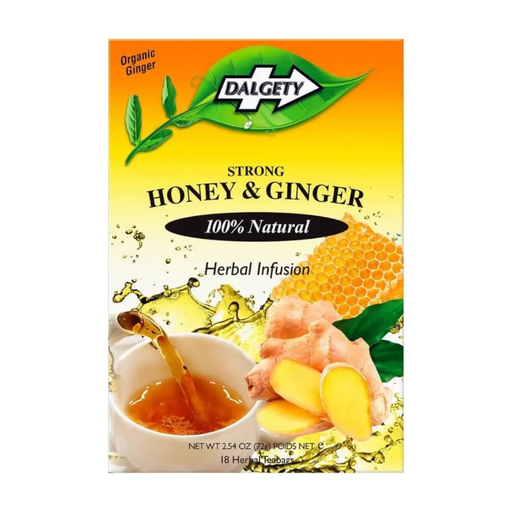
Dalgety Honey & Ginger Tea 72G
A ginger-and-honey flavour route for a warming breakfast drink. Check the ingredient list if the honey and other sweetening ingredients affect your choice, and follow the pack’s preparation instructions.
View on Joybuy
 No image available
Twinings Pure Peppermint 80 Pack
A single-flavour mint option if you prefer peppermint to a mixed herbal blend. The pack contains 80; check its brewing directions before deciding how strong to make a cup. Cambridge University Hospitals lists mint among possible symptom triggers for some people with GORD.
View on Joybuy
 No image available
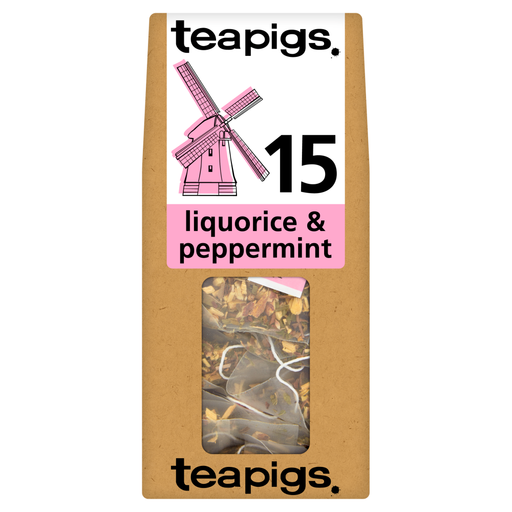
Teapigs Liquorice & Mint, 15 Tea Bags
Choose this only if a liquorice-and-mint flavour appeals more than pure peppermint. The pack contains 15 tea bags. Read its ingredient and warning information: NHS pregnancy guidance advises avoiding teas containing liquorice root.
View on Joybuy
 No image available
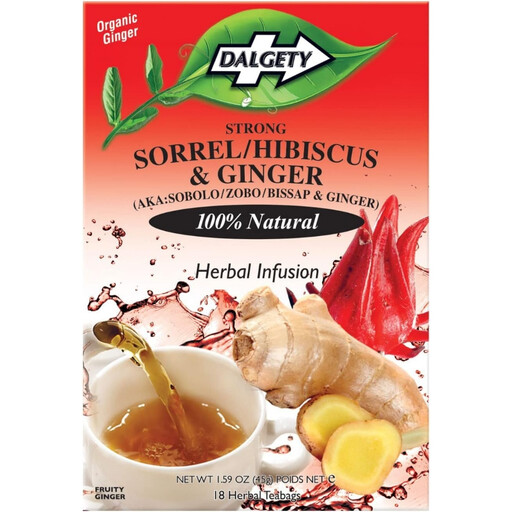
Dalgety Sorrel, Hibiscus & Ginger Tea 45G
A sorrel, hibiscus and ginger combination rather than a ginger-only flavour route. If convenient breakfast preparation matters, check the pack’s measuring and straining directions before choosing it.
View on Joybuy
 No image available
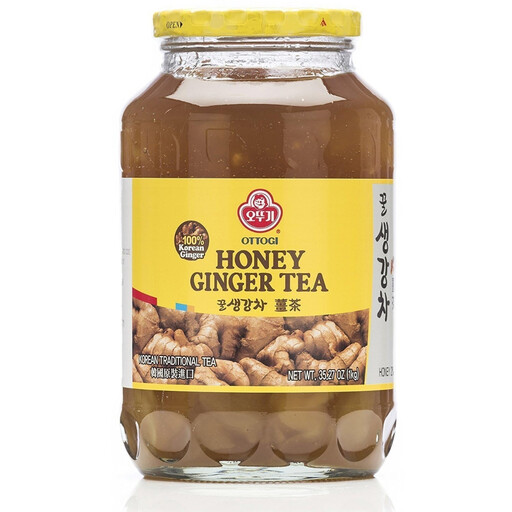
Otoki Ginger Tea 1KG
A ginger-focused option in a 1KG pack. Check the label for its serving method and caffeine status if either affects your breakfast choice.
View on Joybuy
Frequently asked questions
What does “strong” mean for a herbal breakfast tea?
Think about flavour rather than a standard strength grade. Teapigs describes its peppermint as strong minty, while Yogi Tea and Twinings give longer-brewing options for their reviewed ginger-containing blends. Check which flavour and brewing directions appeal to you.
Can a caffeine-free herbal tea take the place of breakfast tea?
It can fill the same hot-drink occasion, but do not expect mint or ginger to taste like black breakfast tea. Teapigs labels its honeybush-and-rooibos blend naturally caffeine-free and describes it as suitable with or without milk; check the caffeine statement on whichever product you buy.
Which herbal tea can I have with milk?
Teapigs specifically describes its honeybush-and-rooibos tea as suitable with or without milk. For another blend, check its own product guidance rather than assuming it will give the same sort of cup.
What should I check when a blend contains liquorice?
Read the exact product warning and ingredient list. Twinings Spiced Ginger and Yogi Tea Ginger Orange with Vanilla warn that people with hypertension should avoid excessive consumption. NHS pregnancy guidance advises avoiding teas containing liquorice root and drinking no more than four cups of herbal tea a day during pregnancy.
What if mint is a reflux trigger for me?
Consider a non-mint flavour route instead. Cambridge University Hospitals lists peppermint and other mints among foods that may worsen symptoms for some people with GORD; it does not mean mint affects everyone in the same way.


