Mint-forward drinkers
If a strong cup means a pronounced peppermint taste, Teapigs describes its pure peppermint infusion as strongly minty and directs a brew of at least three minutes in boiling water.


Choose by the flavour you mean by ‘strong’: Teapigs describes its pure peppermint infusion as strongly minty, while Pukka describes Three Ginger as warming and spicy. A bold taste does not indicate caffeine, so check the ingredients and caffeine labelling if that matters to you; follow the individual product’s brewing directions before making a longer infusion.
For a mid-morning cup, the useful distinction is whether you want pronounced mint, warming spice or bold flavour without assuming it contains caffeine.
If a strong cup means a pronounced peppermint taste, Teapigs describes its pure peppermint infusion as strongly minty and directs a brew of at least three minutes in boiling water.
If you prefer ginger warmth to cooling mint, Pukka describes Three Ginger’s ginger root, galangal and turmeric as a warming, spicy blend. That description is about flavour, not a measured strength.
If you want flavour without caffeine, check the whole ingredient list and the product’s caffeine-free labelling rather than relying on the word ‘herbal’. Twinings distinguishes herbal infusions from tea made with caffeine-containing Camellia sinensis leaves.
Start with the kind of intensity you want, then check caffeine labelling, preparation and the full blend ingredients. A longer brew is an option only where the product’s directions allow it.
| Priority | What to check | Your needs |
|---|---|---|
| Flavour profile | Read the maker’s flavour description and ingredients. Teapigs calls its peppermint strongly minty; Pukka describes Three Ginger as warming and spicy. | I want a pronounced mint taste with my snack, or I would rather have ginger-led spice. ‘Strong’ alone does not tell me which I will enjoy. |
| Caffeine | Check caffeine labelling and the complete ingredients, including whether a blend contains green or black tea. Twinings distinguishes herbal infusions from tea made with Camellia sinensis. | A bold flavour appeals to me, but I do not want to assume that a stronger taste means a caffeine lift. |
| Brewing | Follow the directions for the specific product. Teapigs says 3+ minutes for its peppermint; Clipper says 2–5 minutes for its peppermint; Twinings permits longer than three minutes for a stronger cup from its Herbal Discovery Collection. | If my first cup tastes too mild, I want to know whether its stated brewing range gives me room to adjust it. |
| Blend ingredients | Read the full ingredient list and product warnings, not just the front-of-pack flavour. Twinings says its Spiced Ginger blend contains liquorice and warns people with hypertension against excessive consumption. | Before choosing a mixed blend, I need to know whether it contains an ingredient I avoid or one with a caution relevant to me. |
A minty or spicy herbal infusion can taste pronounced while being labelled caffeine free. Flavour intensity is not a guide to caffeine content.
Decide whether you want flavour, caffeine or both, then check the product’s ingredients and caffeine labelling.
Clipper calls its Organic Peppermint light, whereas Teapigs describes its peppermint as strongly minty. Both descriptions concern their named products, not every tea from either brand.
If extra-bold mint is important, compare the maker’s flavour wording and follow the brewing directions for the pack you choose.
A ginger or mint name need not describe every ingredient. Twinings lists liquorice in its Spiced Ginger blend and gives a caution for people with hypertension.
Read the full ingredient list and any pack warnings before buying a blend.
A brand’s references to digestion or stimulation do not establish that an infusion treats a symptom or provides a caffeine effect.
Choose a drink on its flavour, ingredients and preparation guidance. Ask a pharmacist or clinician about symptoms, medicines or whether particular botanicals are suitable for you.
These descriptions refer to the named products or ranges, not to every infusion a brand makes.
Teapigs describes its pure peppermint tea as having a strong minty taste, making that product a reference point for pronounced mint.
Pukka describes Three Ginger as warming and spicy and lists both Three Ginger and Three Mint in its caffeine-free herbal range.
The Twinings Herbal Discovery Collection includes Double Mint and Spiced Ginger for comparing two flavour directions within one box.
Clipper describes its Organic Peppermint as a light infusion with a crisp, cool taste.
These Joybuy options include ginger-led drinks and a pure peppermint infusion for a mid-morning break. Their product descriptions do not all establish an extra-bold flavour, so use the stated ingredients and flavour descriptions to narrow your choice.
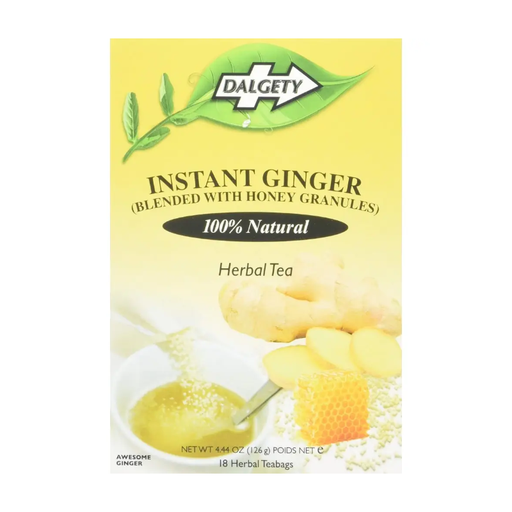 Image unavailable
An instant ginger option for a mid-morning drink: its description calls the flavour sweet-spicy and says it can be prepared with hot or cold water. It also identifies honey and sucrose, so check the ingredients and nutrition information if you prefer an unsweetened drink; do not assume the wording establishes a particular flavour strength.
 Image unavailable
Consider this if zesty ginger appeals more than pure mint. The product description calls the blend spicy and naturally caffeine free, and gives a three-to-five-minute brew with freshly boiled water; it does not describe the flavour as extra-bold.
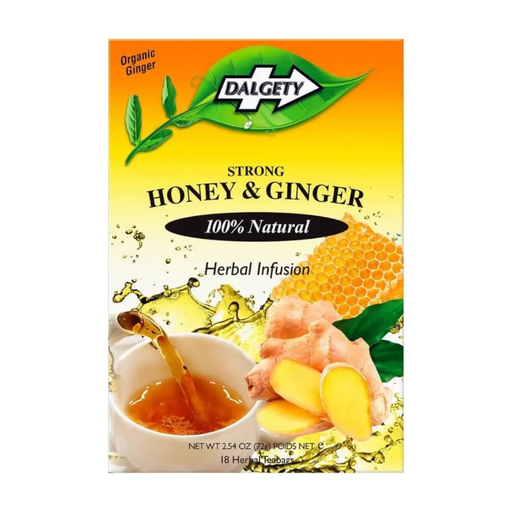 Image unavailable
A ginger-and-honey flavour direction for a snack break, described as robust in the product information. The blend includes honey crystals and sucrose; check the ingredients and nutrition information if sweetness matters, and follow the preparation directions on the pack.
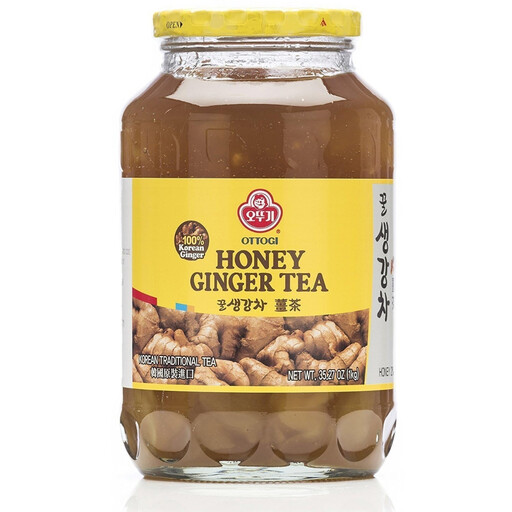 Image unavailable
The product description calls this ginger tea robust and spicy, which may appeal if you want ginger-led flavour. Check the pack’s ingredients and nutrition table before buying, particularly if sweetness matters, and confirm its caffeine labelling and preparation directions rather than assuming they match another ginger drink.
 Image unavailable
This 80-bag peppermint option fits a mint-forward mid-morning drink, and its listing describes it as caffeine free. A pure peppermint ingredient does not by itself establish an extra-bold taste; check the pack’s flavour description and brewing directions if intensity is decisive.
No: a stronger taste does not establish a higher caffeine content. Twinings explains that tea made from Camellia sinensis contains naturally occurring caffeine, whereas herbal and fruit infusions do not contain that plant. Check the complete ingredients of the particular blend, which may include green or black tea.
Use the brewing range given for that product. Teapigs directs at least three minutes for its peppermint, Clipper specifies two to five minutes for its Organic Peppermint, and Twinings says its Herbal Discovery Collection can brew longer than three minutes for a stronger drink.
Do not choose an infusion as a treatment or infer a caffeine effect from its flavour. Brand descriptions of warming or stimulating blends are not evidence of treatment; seek professional advice about symptoms rather than relying on a drink’s marketing description.
Read the full ingredients and warnings whenever a blend contains botanicals you need to consider. Twinings, for example, warns that people with hypertension should avoid excessive consumption of its liquorice-containing Spiced Ginger blend. If you have questions about medicines, pregnancy, breastfeeding or a medical condition, ask a pharmacist or clinician about the particular ingredients.