Choose the flavour you want to notice: a ginger-led blend for spice, peppermint for a distinct mint taste, or a berry blend for a fruit-led cup. Strong flavour does not establish caffeine content, so check the exact tea rather than its morning-themed name. If a blend contains liquorice root, read its ingredients and warnings before making it a regular choice, particularly if you manage high blood pressure.
Who is this choice for?
A bolder morning cup can mean different things depending on whether flavour, caffeine or ingredients are your main concern.
People choosing a caffeine-free morning drink
If you want a distinct flavour without relying on caffeine, choose a tea labelled caffeine-free and check its ingredients. Pukka’s morning collection also includes matcha green tea, so the collection name alone is not a caffeine guide.
People who find mild infusions disappointing
Look for a flavour description you recognise, such as a ginger kick or a strong minty taste, rather than treating every herbal blend as equally bold. Follow the directions for the tea you choose when brewing it.
Regular drinkers considering liquorice blends
Check for liquorice root even in teas named for ginger or mint. The British Heart Foundation cautions that too much glycyrrhizin from liquorice can raise blood pressure; product warnings matter particularly if you manage high blood pressure.
What should you check?
Choose a flavour style first, then check caffeine status and ingredients on the exact product. Preparation and pack format can help you decide whether it suits a short break.
| Priority | What to check | Your needs |
|---|
| Flavour |
Look for a stated ginger, peppermint or berry profile. Teapigs describes its peppermint as strong minty and its Lemon & Ginger as having a ginger kick; Pukka describes Morning Berry as berry-led. These descriptions are not a common strength scale. |
I want a noticeable flavour: spice for one kind of morning cup, mint for another, or fruit notes instead of either. |
| Caffeine |
Read the exact product’s caffeine statement and ingredients. Pukka lists caffeine-free herbal teas but also includes a matcha green tea in its morning collection. |
A strong taste appeals to me, but I do not want the word “morning” to decide whether my drink contains caffeine. |
| Liquorice |
Screen the ingredients for liquorice root and read pack warnings. The British Heart Foundation says too much glycyrrhizin from liquorice can raise blood pressure; Teapigs advises people with hypertension to limit its Liquorice & Peppermint tea to one cup a day. |
If I might drink this blend regularly, I need to check whether liquorice is suitable for me, not choose on sweetness or mint flavour alone. |
| Preparation and pack |
Check the maker’s brewing time, whether the tea needs straining, and the number of bags or total quantity. Teapigs recommends at least 3 minutes for its peppermint; directions for another product may differ. |
For a short break, a tea bag may fit my routine better than loose tea. I also want a pack size I am comfortable trying. |
Common buying mistakes
-
Reading “strong” as “caffeinated”
A spicy or minty herbal infusion can have a pronounced flavour without providing caffeine. A morning-themed range can contain products with different caffeine statuses.
Decide separately whether you want caffeine, then read the statement and ingredients on the exact pack.
-
Choosing a liquorice blend by flavour alone
Liquorice root can appear alongside ginger or mint. The British Heart Foundation says consuming too much of its glycyrrhizin can raise blood pressure.
Check the ingredients and pack warning. If you manage high blood pressure, take account of guidance for the particular blend and seek appropriate professional advice if unsure.
-
Comparing packs without checking their contents
A 40-bag pack and a 15-tea-temple pack contain different numbers of portions; the bag format and stated tea weight can differ too.
Compare the quantity and format alongside the ingredients and flavour you want, especially before choosing a larger pack.
Brand references for these flavours
These brand examples show why the exact blend matters more than a brand-wide assumption about strength or caffeine.
Pukka
Pukka describes Three Ginger as a spicy morning option and Morning Berry as a fruit-led one.
- Its caffeine-free herbal collection includes options for choosing flavour independently of caffeine.
- Its morning collection also includes matcha green tea; check the caffeine status of the individual product.
Teapigs
Teapigs gives product-level flavour and brewing descriptions for its peppermint and Lemon & Ginger teas.
- It describes its pure peppermint as strong minty and recommends brewing it for at least 3 minutes.
- Some blends contain liquorice root. Teapigs gives specific consumption guidance for people with hypertension on its Liquorice & Peppermint product.
Clipper
Clipper offers herbal infusions including a peppermint product made from 100% peppermint.
- Clipper labels that peppermint infusion naturally caffeine-free.
- Clipper describes it as light and refreshing, which is a different flavour expectation from a product expressly described as strong minty.
Twinings
Twinings lists herbal infusions including Pure Peppermint, Lemon & Ginger, and Liquorice & Spearmint.
- The range offers several identifiable flavour styles to compare.
- Choose by the individual blend’s ingredients and description rather than assuming one strength across the range.
Tesco
Tesco lists own-label peppermint and lemon-and-ginger tea bags alongside branded teas.
- The listed own-label options include 40-bag packs in both flavours.
- Pack size does not establish flavour intensity; compare the exact ingredients and brewing directions.
Joybuy product options
These Joybuy options cover ginger-led, peppermint and liquorice-and-mint drinks for a morning break. They offer different flavour and preparation choices, not a measured strength ranking.
 No image available
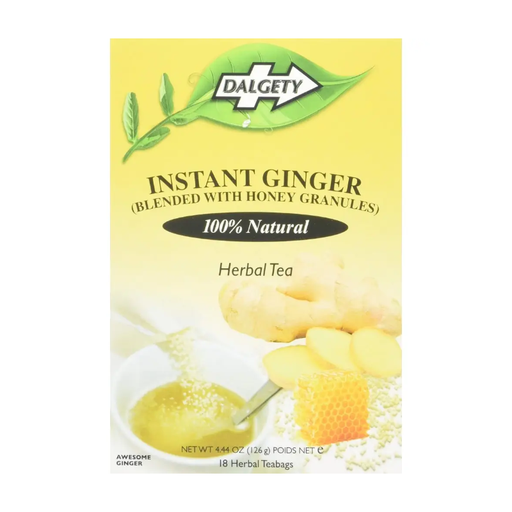
Dalgety Instant Ginger Tea 126g
An instant ginger drink for a break when you would rather mix a cup than brew and strain tea. Its product description calls it caffeine-free and lists ginger, honey and sucrose; check the ingredients and nutrition information if you want an unsweetened drink.
Joybuy
 No image available
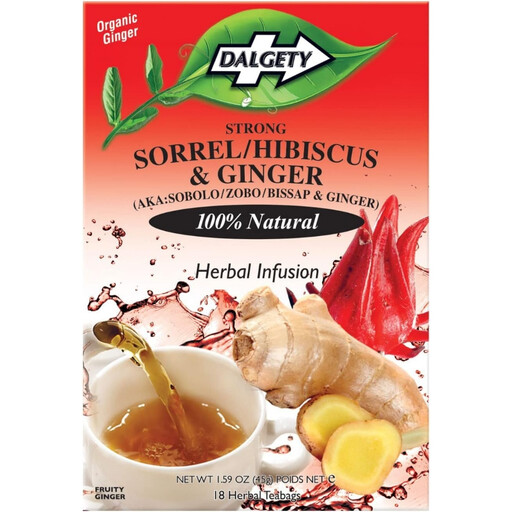
Dalgety Sorrel, Hibiscus & Ginger Tea 45g
For a tart fruit-and-ginger flavour, this loose infusion is described as caffeine-free. Its directions specify a 5–7 minute steep and require measuring and straining the tea, so allow for those steps during a short break.
Joybuy
 No image available
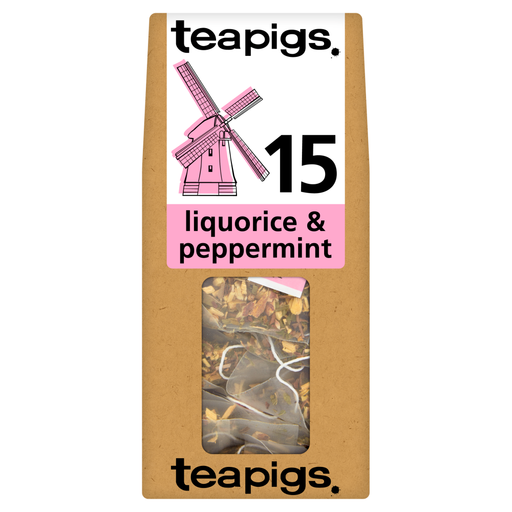
Teapigs Liquorice & Mint 15 Tea Bags
This caffeine-free liquorice-and-mint option is for someone seeking that specific sweet-and-minty flavour. Its listed ingredients are 70% liquorice root and 30% peppermint, with a 3–5 minute steep. The British Heart Foundation says too much glycyrrhizin from liquorice can raise blood pressure; read this pack’s warnings, particularly if you manage high blood pressure.
Joybuy
 No image available
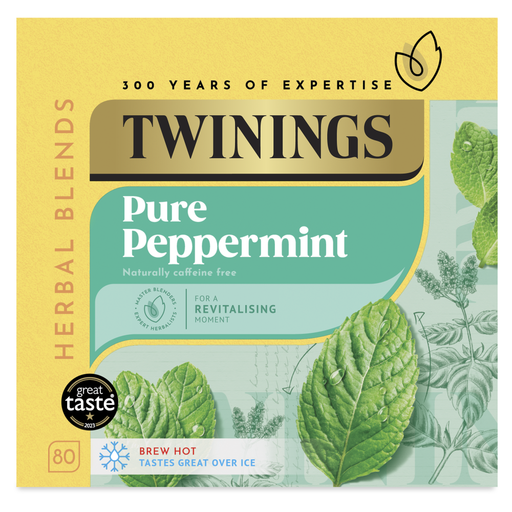
Twinings Pure Peppermint 80 Pack
A peppermint-led option if you want mint without a ginger or fruit blend. The product information lists 100% peppermint, 80 tea bags and caffeine-free status. Check the pack’s brewing directions rather than assuming the preparation or flavour intensity of another peppermint tea applies to this one.
Joybuy
 No image available
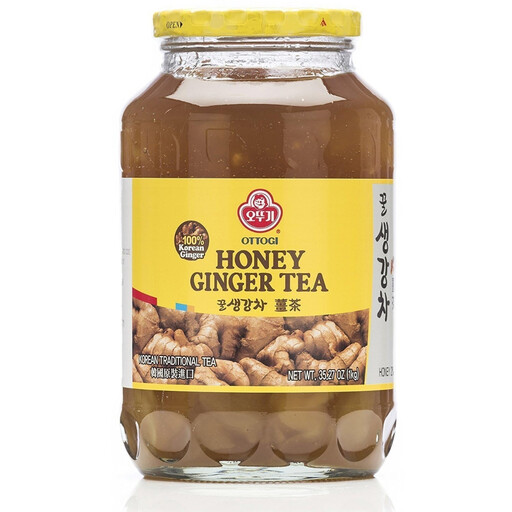
Otoki Ginger Tea 1kg
A ginger-flavoured option in a 1kg pack; the product description calls its flavour robust and spicy. That quantity is worth considering if you have not tried it before. Check the exact pack for caffeine status and preparation directions if either affects your choice.
Joybuy
Questions about strong-tasting herbal tea
Does strong-tasting herbal tea contain more caffeine?
No: a description of flavour strength does not tell you the caffeine content. Pukka includes Three Ginger and Morning Berry in its caffeine-free collection, while its morning collection also features matcha green tea. Check the exact product’s ingredients and caffeine statement.
Can brewing make my herbal tea taste stronger?
Brewing time can change the flavour of a particular tea, so start with its maker’s directions. Teapigs recommends at least 3 minutes for its peppermint and Lemon & Ginger teas, while Clipper gives a 2–5 minute range for its peppermint infusion. Do not assume one steeping time fits every blend.
What should I check before drinking a liquorice blend regularly?
Check the ingredients and the warning on the exact pack, particularly if you manage high blood pressure. The British Heart Foundation says too much glycyrrhizin from liquorice can raise blood pressure, and Teapigs advises people with hypertension to limit its particular Liquorice & Peppermint tea to one cup a day. That product-specific direction is not a serving rule for every liquorice tea.
Can a ginger or mint tea contain liquorice?
Yes, a blend can contain liquorice alongside the flavour named on its front label. Read the full ingredients and any liquorice warning rather than relying on the product name; GOV.UK’s food-labelling guidance specifies “Contains liquorice” wording for products to which its liquorice warning requirement applies.


