What should you check before buying?
Start with the flavour guests are likely to drink, then choose a preparation method and pack size that fit visits to the property.
| Priority | What to check | Your needs |
|---|
| Flavour |
Look at the dominant ingredients. Ginger and spice offer a different kind of intensity from peppermint-led blends; a “bold” description does not give them a common strength scale. |
I want a warming, spicy cup, not a cool mint taste — or the other way round. The ingredient list helps me choose between them. |
| Brewing |
Check the stated infusion time and serving directions. Yogi Tea says its Ginger Lemon can infuse for 5–7 minutes, or longer for a stronger flavour; do not assume the same instruction applies to another blend. |
Guests need directions they can follow without guessing how much tea to use or how long to leave it in the cup. |
| Pack size |
Compare the number of bags or sachets with expected visits. Pukka lists individually wrapped Three Mint packs of 8 and 40 sachets; Twinings lists 80-bag Pure Peppermint and Lemon & Ginger formats. |
If the house is used occasionally, I would rather try a smaller pack. For repeated visits, I need enough servings without repeatedly restocking. |
| Ingredients |
Check the exact blend for caffeine information and ingredients, especially liquorice. Yogi Tea’s Ginger Lemon warning says people with hypertension should avoid excessive consumption because it contains liquorice. |
I want guests to be able to identify what they are drinking, rather than treating every herbal blend as interchangeable. |
| Stored stock |
Follow the pack’s storage directions and check its best-before date between visits. The Food Standards Agency distinguishes best-before information from use-by dates; read the date marking on the actual product. |
When I return after time away, I want to check what is already in the cupboard before putting out tea for guests or buying another box. |
Brand ranges to consider
These examples show different flavours and pack formats; a brand name alone cannot tell you how strong a particular blend will taste.
Pukka
Pukka’s Three Mint is an option for stocking a cooling mint blend in individually wrapped sachets.
- Pukka lists an 8-sachet trial-and-travel pack and a 40-sachet pack of Three Mint.
- Those formats and the blend’s mint profile do not describe every Pukka herbal tea.
Twinings
Twinings lists peppermint and lemon-and-ginger infusions for shoppers choosing between mint and warming flavours.
- Its listed Pure Peppermint and Lemon & Ginger options include 80-bag formats.
- Pack size does not establish which infusion will taste stronger to an individual drinker.
Clipper
Clipper’s peppermint-and-spearmint infusion offers a mint-led choice.
- Clipper describes this particular blend as cool and menthol-led and lists peppermint with natural nana mint flavouring.
- Check the individual product’s ingredients and caffeine information rather than inferring its flavour intensity from the wider range.
Yogi Tea
Yogi Tea’s Ginger Lemon is a ginger-and-citrus option with a stated way to adjust brewing time.
- Yogi Tea advises a 5–7 minute infusion, or longer for a stronger flavour, for Ginger Lemon.
- The blend contains liquorice; its label warns people with hypertension to avoid excessive consumption.
Teapigs
Teapigs offers different herbal flavour directions for a cupboard intended for several guests.
- Its listed range includes peppermint, liquorice and peppermint, and lemon and ginger.
- Check each blend’s ingredients and pack count separately before choosing a household default.
Tesco
Tesco’s listed own-label infusions provide peppermint and lemon-and-ginger pack options.
- Tesco Groceries lists 40-bag formats for both flavours.
- A grocery listing or bag count cannot establish comparative flavour strength.
Herbal tea options at Joybuy
These options cover ginger-led, mint-led and mixed-flavour teas that could be stocked at a second home. Choose by flavour, pack size and the preparation details on the individual product.
 No image available
Twinings Lemon & Ginger Tea Bags, 20 pack
A ginger-and-lemon choice if you want a warming flavour available for occasional visits. The pack contains 20 tea bags; check its brewing directions when serving it.
View on Joybuy
 No image available
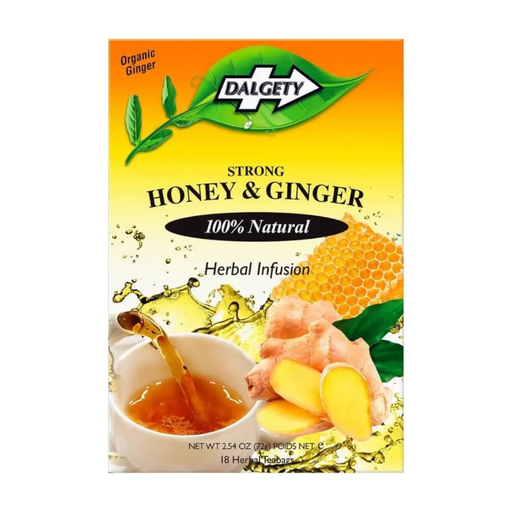
Dalgety Honey & Ginger Tea, 72 g
Consider this honey-and-ginger option if guests prefer that flavour to mint. The pack is 72 g; check its ingredients and preparation directions if sweetness or cup strength matters to you.
View on Joybuy
 No image available
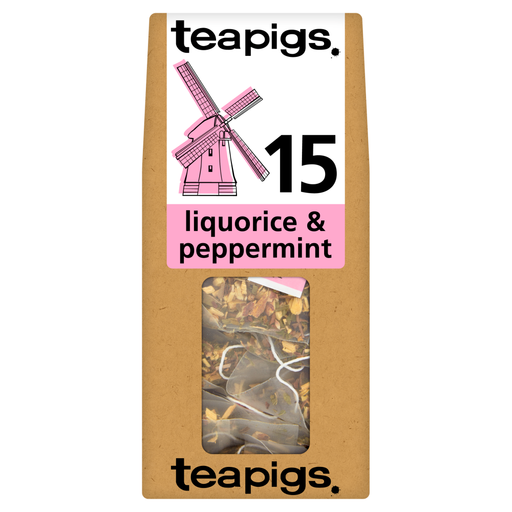
Teapigs Liquorice & Mint, 15 tea bags
This 15-bag pack offers liquorice and mint rather than plain peppermint. Check the ingredient list before leaving it as a guest tea: NHS pregnancy guidance advises avoiding teas containing liquorice root.
View on Joybuy
 No image available
Twinings Pure Peppermint, 80 pack
A cooling mint option for a second home where peppermint is chosen regularly. The 80-pack provides more servings but also commits the cupboard to one flavour; it is not a measure of brew strength.
View on Joybuy
 No image available
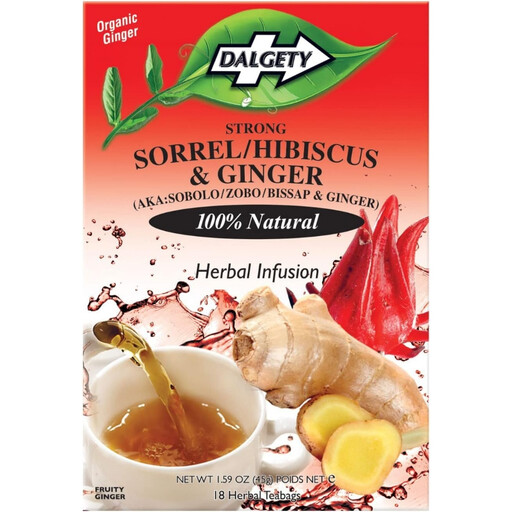
Dalgety Sorrel, Hibiscus & Ginger Tea, 45 g
Choose this sorrel, hibiscus and ginger combination if you want a different flavour from plain mint or ginger tea. The pack is 45 g; check its preparation directions and expected number of servings when planning supplies for repeated visits.
View on Joybuy
Common questions
What does “strong” mean for herbal tea?
It is more useful to choose the flavour you mean than to look for a shared strength grade: ginger and spice give warming intensity, while peppermint-led blends taste cool and minty. Check the individual product’s brewing directions if you want to adjust the cup; Yogi Tea, for example, says its Ginger Lemon can infuse longer than its stated 5–7 minutes for a stronger flavour.
Should I buy a large box for a second home?
Choose a larger box when the tea is used regularly and guests already like that flavour. For occasional visits or uncertain preferences, start with fewer servings or more than one flavour, then check the pack’s storage directions and best-before date between visits.
Can I assume a herbal tea is caffeine-free?
Check the exact product rather than relying on a broad category name. Clipper identifies its herbal infusion range as caffeine-free, and Yogi Tea labels Ginger Lemon naturally caffeine-free; read the pack when caffeine avoidance matters.
What should I check before serving a liquorice blend to guests?
Read the ingredients and any product warning before making it the default tea. Yogi Tea warns that people with hypertension should avoid excessive consumption of its liquorice-containing Ginger Lemon; NHS pregnancy guidance advises avoiding teas containing liquorice root.
What does NHS guidance say about herbal tea during pregnancy?
The NHS advises drinking no more than four cups of herbal tea a day during pregnancy and avoiding teas containing liquorice root. Check the exact blend rather than assuming a tea kept for general guests is suitable; seek clinical advice for individual concerns.


