Shoppers seeking a fiery ginger cup
These customers may prefer a recipe that names its ginger proportion or combines ginger with roots and pepper. Clipper and Yogi Tea disclose ginger percentages; Pukka offers a different, multi-root route.


For a premium shop serving customers who want a bold herbal cup, start with the flavour profile rather than a claim that one tea is strongest. Clipper Ginger & Turmeric and Yogi Tea Ginger disclose ginger-heavy recipes with added spice; Pukka Three Ginger offers a multi-root blend, while Teapigs Lemon & Ginger pairs its ginger kick with citrus. Ingredient proportions and brand descriptions help distinguish these choices, but they do not establish how every customer will perceive their strength.
A strong-flavour assortment can serve different tastes without treating spice, citrus and presentation as the same buying priority.
These customers may prefer a recipe that names its ginger proportion or combines ginger with roots and pepper. Clipper and Yogi Tea disclose ginger percentages; Pukka offers a different, multi-root route.
For shoppers interested in a distinctive blend or presentation, Pukka Three Ginger combines ginger, galangal and turmeric. Teapigs Lemon & Ginger offers its citrus-ginger blend in the brand’s Tea Temple format.
A pronounced herbal flavour need not be chosen on caffeine assumptions. Check the statement and ingredients on the exact pack, particularly when shopping across ranges that also include black or green tea.
Choose the flavour direction first, then compare the individual packs’ preparation and ingredient information before describing them to customers.
| Priority | What to check | Your needs |
|---|---|---|
| Ginger-led spice | Read the recipe, not just the flavour name. Clipper lists 65% ginger root with turmeric, cinnamon and black pepper; Yogi Tea lists 66% ginger with lemongrass, liquorice, peppermint and black pepper. | I want a cup led by ginger and spice rather than a mild fruit infusion. Pepper and the other ingredients will also shape the flavour. |
| Type of flavour | Compare peppery spice with multi-root and citrus-ginger blends. Pukka names ginger, galangal and turmeric; Teapigs describes its Lemon & Ginger as a ginger kick with refreshing lemon. | Would a warming, root-led cup suit the range, or do I need a brighter citrus choice alongside it? |
| Brewing directions | Follow the directions for each blend. Yogi Tea specifies 5–7 minutes, or longer for stronger flavour; Teapigs specifies boiling water and at least three minutes for its Lemon & Ginger Tea Temples. | If customers prepare the tea in the shop, I need directions that staff can follow for the particular product being served. |
| Ingredients and caffeine | Check the current pack’s ingredient list and caffeine statement. Look for ingredients a customer may wish to avoid, including liquorice in the Yogi Tea blend. | I want to answer questions about the actual tea on the shelf, rather than assuming every herbal-sounding product has the same ingredients or caffeine status. |
| Presentation | Check whether the product is a tea bag, Tea Temple, pouch or instant mix. Teapigs says its Tea Temples hold whole leaves for fuller flavour; that is the brand’s description, not a cross-brand taste comparison. | For a gift or discovery purchase, I may want a distinctive format. For everyday serving, preparation and the flavour profile may matter more. |
A strong ginger taste does not establish that a tea treats a condition. Flavour descriptions and ingredient lists answer a different question from medical efficacy.
Describe teas by their recipes, taste profiles and preparation rather than presenting wellbeing wording as a reason to expect treatment.
A brand’s wider range may contain herbal infusions as well as products made with tea leaves. A flavour name alone is not a caffeine statement for the product being sold.
Check the exact pack before putting caffeine information on a shelf label or answering a customer’s question.
A pyramid bag or premium-looking pack describes presentation, not a standard measure of perceived flavour strength across brands.
Show customers the practical differences between ginger-and-pepper, multi-root and citrus-ginger recipes instead of promising a universal strongest cup.
Blends with similar names can contain different botanicals, such as liquorice, peppermint or pepper. That matters when a customer asks about a particular ingredient.
Keep the current packaging and supplier details accessible, and recheck the label when a recipe or pack changes.
These brand examples distinguish blend styles and formats; a brand’s place here does not describe every tea it makes.
Pukka Three Ginger is a multi-root herbal blend for a shop that wants a ginger option without a citrus-led profile.
Clipper Organic Ginger & Turmeric provides a peppery-spice option with a disclosed recipe.
Teapigs Lemon & Ginger pairs a citrus-ginger flavour with the brand’s Tea Temple format.
Yogi Tea Ginger is a ginger-led blend whose preparation directions allow for a longer infusion.
Twinings is a reference point for shops considering herbal infusions alongside a wider tea range.
Tesco own-label infusions offer a familiar bagged format to consider when planning the shop’s assortment.
These options cover citrus-and-ginger tea bags, a pouch and ginger drinks in instant or honey-flavoured formats. Compare the format as well as the flavour before choosing stock for a premium shop.
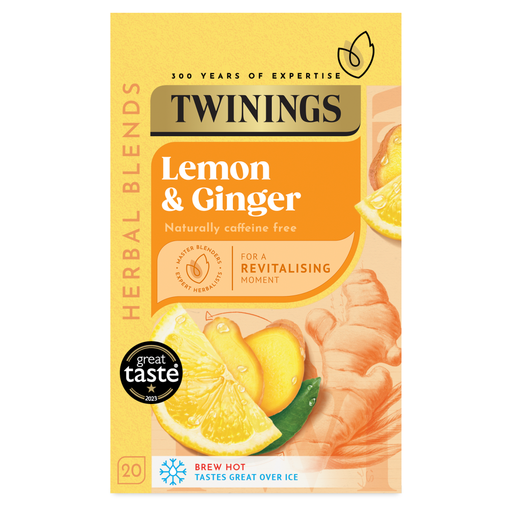 No image available
A bagged citrus-and-ginger choice for customers who want both flavours in the cup. Check the current pack’s ingredients and brewing directions when preparing shelf information.
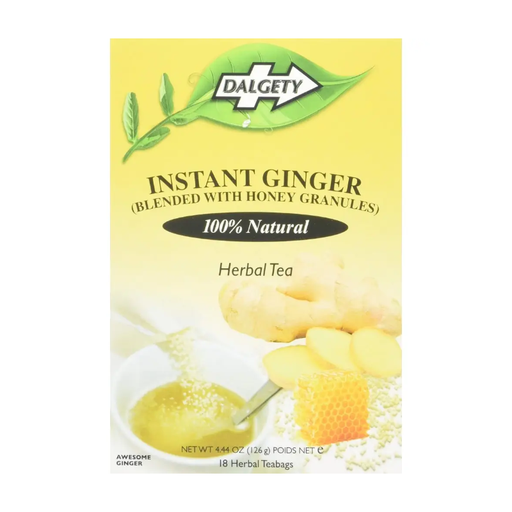 No image available
An instant ginger-drink format rather than a conventional tea-bag infusion. Its blend includes honey and sucrose, so check the ingredients if the shop needs an unsweetened option.
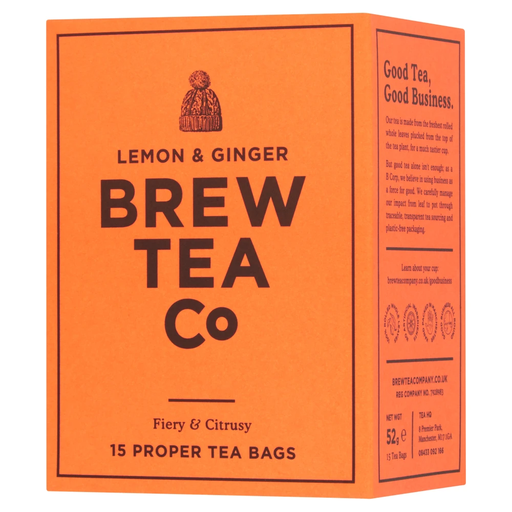 No image available
A ginger-and-lemon bagged option for a citrus-spice slot in the range. Confirm the exact pack’s caffeine statement and brewing directions before describing either to customers.
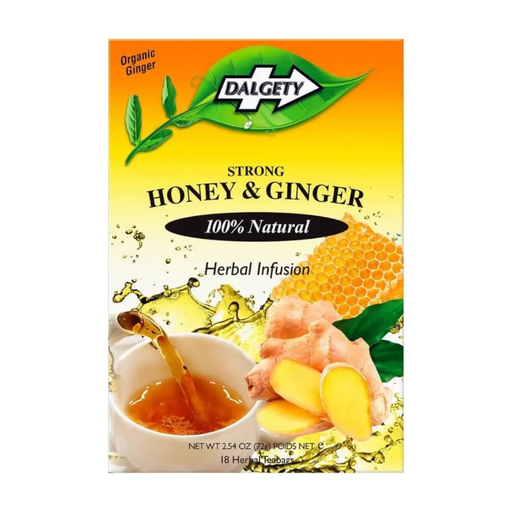 No image available
A honey-and-ginger option for customers seeking that combination. Check the ingredient list for honey crystals and sucrose when distinguishing it from an unsweetened ginger infusion.
 No image available
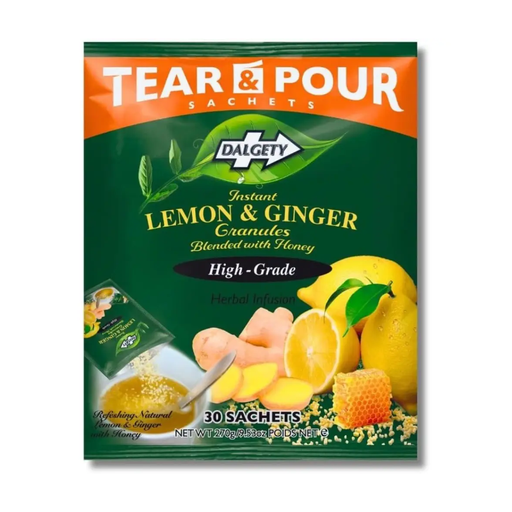
A pouch-format citrus-and-ginger option. If ginger concentration or serving preparation is important to the shop, check the current pack for ingredient proportions and brewing directions.
Compare the recipe and the flavour direction, then follow the product’s brewing instructions. Clipper Teas lists 65% ginger root and black pepper in its Ginger & Turmeric infusion; Yogi Tea lists 66% ginger in its Ginger blend and suggests a longer infusion for stronger flavour. Those details guide selection but are not a standardised taste ranking.
Do not assume caffeine status from a strong flavour or an herbal-sounding name. Check the statement and ingredients on the exact product, especially when a brand sells herbal infusions alongside black or green tea.
A ginger-led flavour is not evidence of a medical effect, so describe the tea by its ingredients and preparation instead of presenting it as a treatment. Guy’s and St Thomas’ NHS Foundation Trust cautions more broadly that herbal products can interact with conventional medicines; customers seeking advice about medicines or symptoms should speak to an appropriate healthcare professional.
No: follow the directions for the particular blend. Teapigs specifies boiling water and at least three minutes for Lemon & Ginger Tea Temples, while Yogi Tea specifies 5–7 minutes for Ginger and says it can be infused longer for stronger flavour.