Black-coffee drinkers seeking a darker taste
Look for roast and tasting notes such as dark, toasted or full-bodied if a mild everyday instant coffee is not what you want after dinner.


For a robust post-dinner cup, start with an instant coffee described as dark-roasted or full-bodied, then adjust the serving to your taste. A high intensity number describes flavour, not a comparable caffeine level: Nescafé UK & IE says brands use different strength scales, so choose a clearly labelled decaf coffee if reducing caffeine is the priority.
Look for roast and tasting notes such as dark, toasted or full-bodied if a mild everyday instant coffee is not what you want after dinner.
A robust flavour description may be worth considering if you want the coffee taste to remain noticeable with a splash of milk. Sainsbury’s describes Carte Noire Intense as suitable black or with milk.
Separate the flavour decision from the caffeine decision. A jar labelled intense does not establish its caffeine content; an explicitly decaffeinated coffee is the more direct option when reducing caffeine matters.
Choose the flavour profile first, but make caffeine and preparation separate checks before settling on an evening coffee.
| Priority | What to check | Your needs |
|---|---|---|
| Robust flavour | Read the roast description and tasting notes. Kenco GB labels Kenco Rich intensity 9; Nescafé UK & IE describes Gold Blend Intense as dark-roasted with toasted notes. These are product descriptions, not a shared strength scale. | I want a darker, full-bodied cup after dinner rather than choosing by a brand name alone. |
| Caffeine | Check whether the coffee is labelled decaffeinated and read the current pack if a particular caffeine amount matters. Nescafé UK & IE says intensity scales tend to describe flavour rather than caffeine. | If I am limiting caffeine in the evening, a lower intensity number is not enough information to make that choice. |
| Serving | Follow the product’s own preparation guidance before changing the amount. Sainsbury’s lists one or two teaspoons per cup for Carte Noire Intense. | I would rather adjust the cup gradually than assume that adding more granules will give me the flavour I want. |
| Comparing jars | Compare roast descriptions and tasting notes alongside any strength number. Nescafé UK & IE says brands may use different intensity scales. | I want to compare two brands without treating their printed numbers as equivalent measurements. |
A forceful flavour does not establish how much caffeine a cup contains. That distinction matters when choosing coffee for later in the day.
Use intensity wording for flavour selection; look for an explicitly decaffeinated product when reducing caffeine is the aim.
Nescafé UK & IE says brands can rate flavour intensity differently. A 9 on one jar cannot be read as a measured equivalent of a 4 on another.
Compare each product’s roast description and tasting notes, then use its number to navigate that brand’s own range.
Stock and pack details can change; the Sainsbury’s listing for Carte Noire Intense showed it as out of stock when checked.
Before buying, check the current listing and the pack for the product form, ingredients, allergen information and serving directions that matter to you.
These ranges illustrate different flavour and caffeine choices; a brand reference does not establish availability of a particular jar.
Kenco GB presents Kenco Rich as a robust instant coffee with an intensity rating of 9.
Nescafé UK & IE describes Gold Blend Intense as dark-roasted, with a full-bodied taste and toasted notes.
Sainsbury’s describes Pure Indulgence as dark-roasted with a rich, velvety flavour, and Pure Decaf as a medium-roast decaf option.
Sainsbury’s describes Carte Noire Intense as a dark-roast instant coffee and gives a serving suggestion of one or two teaspoons per cup.
These options include decaf for a post-dinner cup and coffees described as dark-roasted or intense. Check the form of the L’OR product before choosing it for instant preparation.
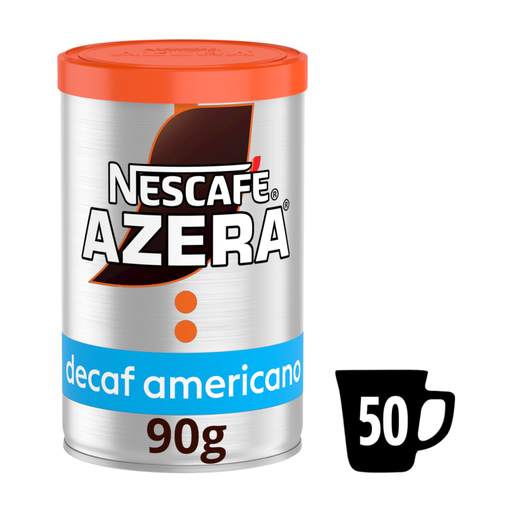 No image available
A decaffeinated instant Americano option when reducing caffeine matters more than choosing a dark-roast label. The product description identifies Arabica and Robusta coffee and a blend of soluble and roast-and-ground coffee. Check the current pack if a specific residual caffeine amount matters.
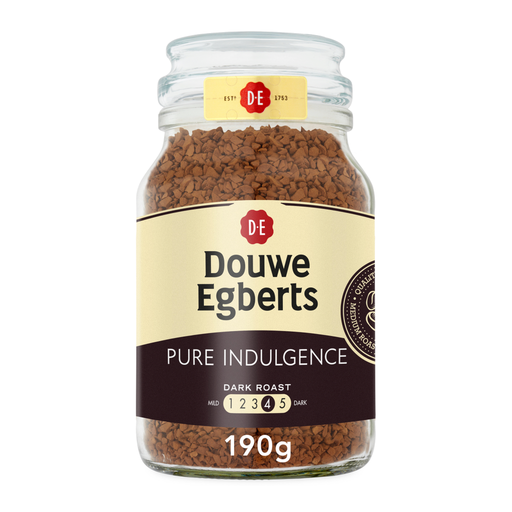 No image available
For a darker-tasting post-dinner cup, this freeze-dried instant coffee is described as dark-roasted with a rich, velvety flavour and carries a strength-4 label. That label does not quantify caffeine; the supplied product description also flags high caffeine content, so read the current pack warnings before choosing it for evening use.
 No image available
A dark-roast option described as bold, with cocoa and caramel flavour notes. The product description specifies a blend of 90% instant and 10% roasted-and-ground coffee. Check the pack for its serving directions and caffeine information if either affects your choice.
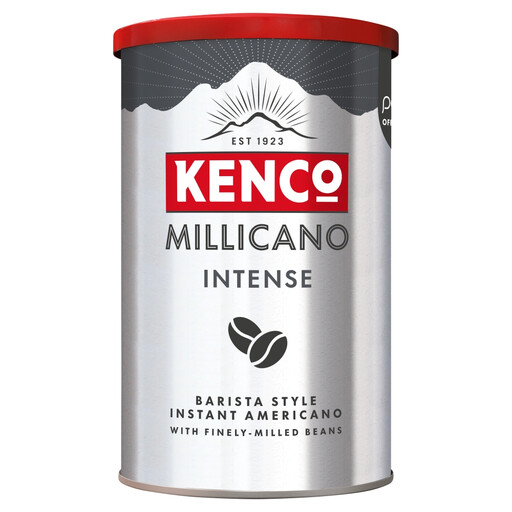 No image available
For shoppers considering a strong-flavoured instant Americano, the product description calls this blend bold and full-bodied. It specifies 85% instant coffee and 15% roast-and-ground coffee. Check the current pack for the serving quantity and caffeine information relevant to your cup.
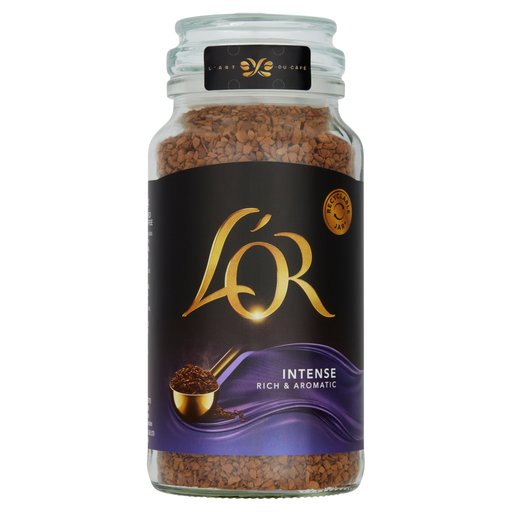 No image available
Confirm the product form before buying this for an instant post-dinner cup: one supplied description calls it instant coffee prepared with hot water, while another describes roasted Colombian Arabica beans. Read the current pack to establish which product the listing contains.
No. Nescafé UK & IE says coffee strength scales tend to describe flavour rather than caffeine, and brands can use different scales. If caffeine determines your choice, look for an explicitly decaffeinated product and check its pack.
Start with the product’s preparation directions and adjust from there. Sainsbury’s suggests one or two teaspoons per cup for Carte Noire Intense, which gives you a stated starting range rather than a reason to add extra granules automatically.
Choose a coffee clearly labelled decaffeinated rather than relying on a lower flavour-intensity number. Sainsbury’s describes Douwe Egberts Pure Decaf as medium-roasted; its flavour profile is a separate consideration from its decaf designation.
Read the current ingredients and allergen information on the exact pack before consuming it. Do not rely solely on an older retailer description, particularly if the product or packaging has changed.