Hosts serving coffee black
If you want a pronounced coffee flavour with hot-water preparation, start by comparing jars described as robust or dark roasted.


For a bold-tasting Sunday brunch coffee, Kenco Rich has a manufacturer-stated intensity of 9, while NESCAFÉ Gold Blend Intense is described by its maker as dark roasted. Choose by the flavour and style your guests prefer, and consider a smoother alternative for those who want a less forceful cup. Intensity numbers describe flavour rather than establishing caffeine content, and scales cannot be compared directly across brands.
If you want a pronounced coffee flavour with hot-water preparation, start by comparing jars described as robust or dark roasted.
An intense jar need not be the only choice on the table. A smoother option lets guests choose a less forceful flavour.
Choose using product-specific caffeine information where available, rather than treating a dark roast or a high intensity number as a caffeine figure.
Decide on the cup you want to serve before comparing strength labels: flavour intensity, coffee style and preparation each answer a different question.
| Priority | What to check | Your needs |
|---|---|---|
| Bold flavour | Look for roast and flavour descriptions. Kenco calls Rich robust and rates it intensity 9; NESCAFÉ describes Gold Blend Intense as dark roasted. Do not compare brands’ numbers as one scale. | I’d like a pronounced cup served black, but I need to choose its flavour rather than assume a higher number means more caffeine. |
| Coffee style | Check whether you want conventional instant coffee or an Americano-style blend. NESCAFÉ says AZERA Americano Intense contains both instant and finely ground coffee; check the individual jar if texture is decisive. | For brunch, I might prefer an Americano-style cup to a straightforward dark-roast instant coffee. |
| Guest preferences | Compare the serving directions on each jar. Tesco describes Kenco Smooth as intensity 7 and intended for a less forceful flavour; its rating should not be converted to another brand’s scale. | Some guests enjoy bold coffee, while others would rather have a smoother alternative. |
| Caffeine information | Check caffeine information for the specific product and serving. NESCAFÉ’s strength guidance says intensity numbers tend to describe flavour, not caffeine content. | If I’m keeping track of caffeine, I need more than the word “intense” on a jar. |
A bold flavour or high intensity rating does not establish how much caffeine a prepared cup contains. NESCAFÉ’s strength guidance distinguishes flavour intensity from caffeine content.
Use roast and intensity descriptions to choose flavour; check product-specific information when caffeine is the deciding factor.
Kenco describes Rich as robust, while Tesco presents Kenco Smooth as an option for people who do not want an overly strong or bitter taste.
Ask how guests take their coffee and keep a smoother option alongside a bold one if preferences differ.
The serving directions and product details that matter at brunch belong to the particular jar you buy, not to a different variety in the same range.
Check the current label for preparation, ingredients and any caffeine information relevant to your guests.
These references describe particular coffees, not every product made by each brand.
Kenco Rich is the brand’s robust option; Tesco describes Kenco Smooth as a less forceful alternative.
Gold Blend Intense is described by NESCAFÉ as dark roasted; AZERA Americano Intense combines instant and finely ground coffee.
Sainsbury’s describes Carte Noire Intense as a dark-roast blend of Arabica and Robusta coffee.
Tesco lists Pure Indulgence as dark roasted with a strength rating of 4.
Tesco lists Finest Americano and Finest Intenso Barista Style Instant Coffee in 100g formats.
These instant coffees offer different ways to plan a Sunday brunch cup, from jars labelled intense or dark roast to Americano-style options. Check each variant rather than assuming they have the same flavour or caffeine content.
 No image available
Consider this 100g dark-roast-labelled jar if that is the flavour direction you want for brunch. Check the serving directions and caffeine information on the current label if either affects your choice.
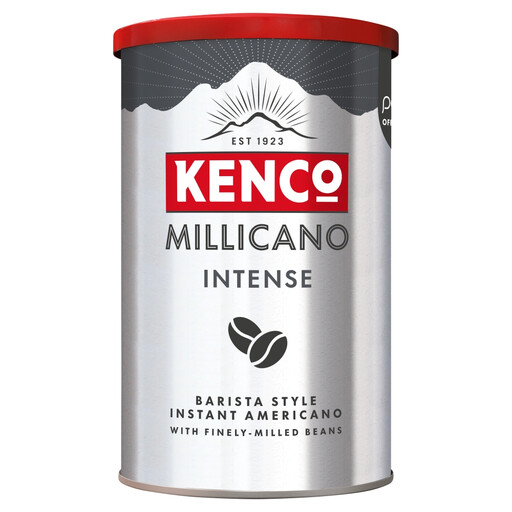 No image available
The Americano Intense name makes this 95g tin worth comparing if you want that style at brunch. Check the current label for preparation, texture and caffeine details rather than treating “intense” as a measurement.
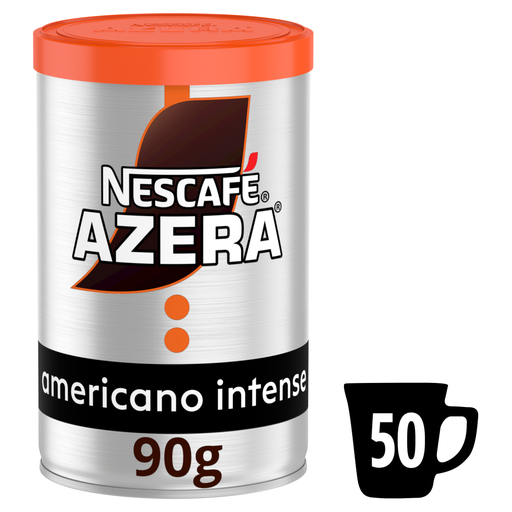 No image available
Compare this 90g Americano Intense variant if guests prefer that coffee style. If choosing around caffeine intake, confirm the exact variant and its caffeine details on the jar; the word “intense” does not provide them.
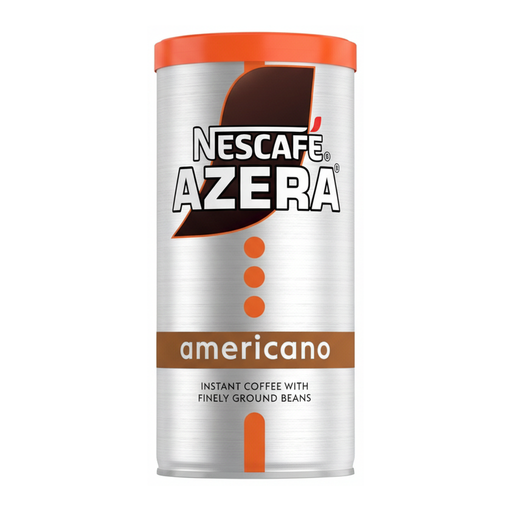 No image available
This 140g Americano option is not labelled Intense in its name. Compare its current flavour description and serving directions if a particularly bold cup is your aim.
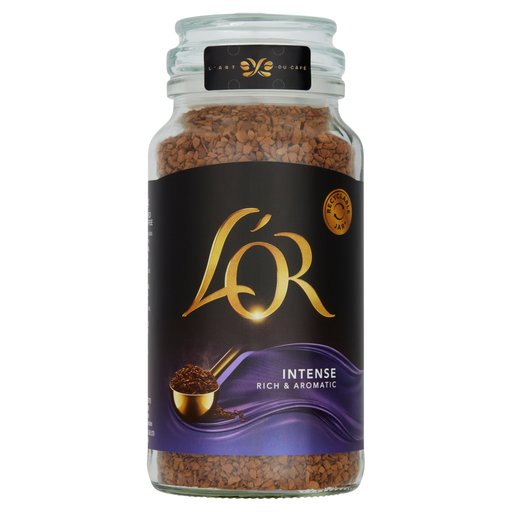 No image available
If the Intense-labelled 150g jar appeals to you, check its current roast description and serving directions before choosing it for a particular flavour. Its name alone does not establish caffeine content.
No: a higher strength number does not establish a higher caffeine content. NESCAFÉ says these scales tend to describe flavour intensity; use information for the specific coffee and serving if caffeine is what you need to compare.
Follow the directions on each jar and let guests choose the flavour they prefer. Keep a smoother variety alongside an intense one if you are serving people with different tastes.
Yes, but choose with the finished drink in mind: milk changes how pronounced the coffee flavour tastes. Check the jar’s preparation guidance and ask guests whether they prefer a bold or smoother cup.
Close the jar after use and follow its own storage and best-before instructions. Check those instructions on the product you buy rather than assuming every variety has identical directions.