Breakfast drinkers who want a bold cup quickly
A dark-roast or intense-labelled instant coffee may suit you if you want a robust flavour before work or school without using a machine.


For a straightforward, bold weekday cup, look for a conventional instant coffee described as dark-roasted or intense; choose an instant-and-ground blend if that format appeals to you as well as quick preparation. An intensity label describes flavour, not caffeine content, so start with the pack directions and check caffeine information separately if intake matters.
A dark-roast or intense-labelled instant coffee may suit you if you want a robust flavour before work or school without using a machine.
You may prefer straightforward soluble coffee, or an instant-and-ground blend if that composition is part of the cup you want.
If caffeine intake matters, particularly during pregnancy or breastfeeding, choose using caffeine and serving information rather than flavour-intensity wording.
Decide what you mean by a strong breakfast coffee—roast flavour, an instant-and-ground format or caffeine intake—before comparing jars.
| Priority | What to check | Your needs |
|---|---|---|
| Bold flavour | Look for a dark-roast or intense description. Check the maker’s flavour notes if bitterness or toasted flavours affect your choice. | I want a robust cup before leaving home, rather than choosing by caffeine content. |
| Coffee format | Check whether the ingredients describe conventional instant coffee or instant coffee combined with ground or milled coffee. Follow that product’s preparation directions. | A straightforward instant cup suits me, or I want to try an instant-and-ground blend without using a machine. |
| Caffeine | Use product-specific caffeine and serving information where available. NESCAFÉ UK & IE says strength-scale numbers generally describe flavour intensity, not caffeine content. | I need to keep track of caffeine, so a high intensity rating cannot answer my intake question. |
| Preparation | Make the first cup to the pack directions, then adjust coffee or water gradually. Changing the amount of coffee can also change caffeine intake. | If my first mug tastes too mild or bitter, I want to adjust it before deciding whether to change jars. |
NESCAFÉ UK & IE explains that coffee strength scales tend to describe flavour intensity. A darker or more bitter cup therefore does not establish its caffeine content.
Use serving and caffeine information for intake decisions. The NHS advises no more than 200mg of caffeine a day during pregnancy and recommends the same daily limit while breastfeeding.
An instant-and-ground blend is a different format, but its composition alone does not establish that it will suit your breakfast taste better than a conventional intense instant coffee.
Decide whether you want that format or simply a dark-roast flavour, then check the product description and preparation directions.
A more concentrated cup may taste more bitter, and using more coffee can increase the caffeine in the mug.
Start with the pack’s suggested serving. Change the coffee or water quantity gradually if you want a different taste.
Its UK range includes conventional dark-roast instant coffee and an instant-and-ground option.
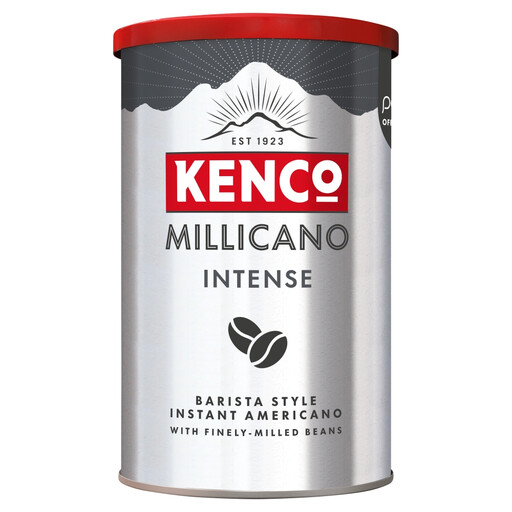
Kenco Rich offers a conventional instant route; Millicano Intense is an instant-and-milled-coffee blend.
Carte Noire Intense is a dark-roast instant option described in a UK grocery listing.
Tesco lists Finest Intenso Barista Style Instant Coffee as an own-label option.
These options span intense-labelled instant coffees, instant-and-ground breakfast choices and a listing described as decaffeinated. Check each pack for the format and serving information that matter to you.
 No image available
The dark-roast, intense-labelled option suits a search for bold breakfast flavour. If you want an instant-and-ground blend, check the ingredients and serving directions on the pack.
 No image available
Consider this intense-labelled Millicano for the instant-and-ground route. Check the tin’s ingredients and preparation directions if that format is the reason for your choice.
 No image available
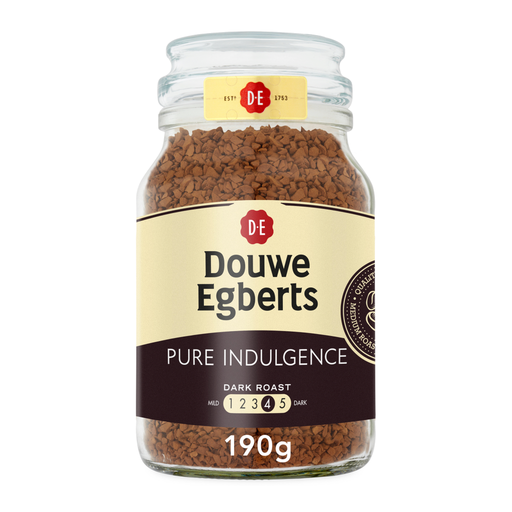
Consider this for a conventional-style weekday cup, and check the pack to confirm its roast and preparation details. The accompanying product information carries a pressurised-container warning; read the physical packaging and its safety directions before use.
 No image available
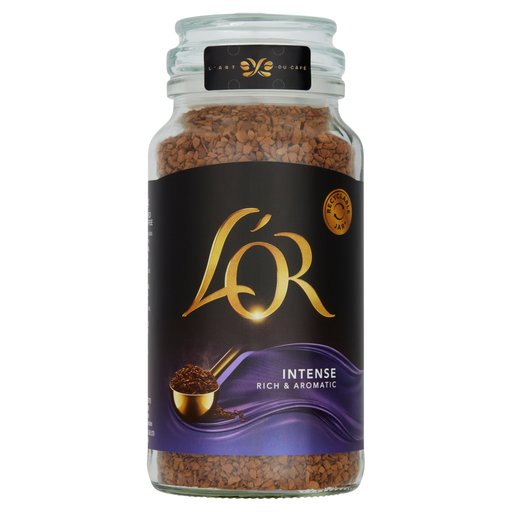
The Intense-labelled jar is an option for a quick weekday cup. Check the pack’s preparation directions; its name alone cannot tell you how its caffeine content compares with another coffee.
No image available
The selected listing describes this 90g variant as decaffeinated, although the product name does not say so. Confirm that description on the pack before choosing it for caffeine reasons, and check its serving directions.
No. NESCAFÉ UK & IE says intensity numbers tend to describe flavour, with higher numbers generally indicating a darker, more bitter taste. Check caffeine and serving information separately if intake affects your choice.
Start with the directions for your coffee, then adjust the coffee or water gradually to taste. For its Original instant coffee, NESCAFÉ UK & IE gives a typical serving of about 1.8g with 200ml of hot water; using more coffee can also increase the caffeine in your mug.
Yes, if you enjoy it that way. Sainsbury’s describes Carte Noire Intense as suitable black or with milk; that does not establish which coffee you will prefer, so try your chosen product using its preparation directions.
Check caffeine intake rather than relying on “strong” wording. The NHS advises no more than 200mg of caffeine a day during pregnancy and estimates 100mg in a cup of instant coffee; the amount in your cup depends on the product and preparation, and other caffeine sources count too.
The NHS recommends no more than 200mg of caffeine a day while breastfeeding. Check your coffee’s serving information and consider caffeine from other drinks and foods when keeping track of your total.