Older adults who enjoy bold coffee
For someone who wants a pronounced coffee flavour and an instant drink that is straightforward to prepare. Nescafé explains that a flavour-strength label is not a measure of caffeine content.


Choose strong instant coffee for the flavour an older person enjoys, not as a source of nutritional support: Nescafé lists a mug of Gold Blend Intense made with water at 2 kcal. A strength number describes flavour intensity rather than a comparable caffeine dose, according to Nescafé, so check the particular coffee and serving if caffeine matters. Where nutrition or hydration needs require assessment, coffee preference should sit alongside that care plan.
For someone who wants a pronounced coffee flavour and an instant drink that is straightforward to prepare. Nescafé explains that a flavour-strength label is not a measure of caffeine content.
For carers balancing coffee preferences with food and fluid intake. NHS guidance counts coffee towards daily fluids; Norfolk and Waveney Integrated Care System advises regular nutritional assessment for people requiring care or living in care homes.
For someone whose caffeine intake or coffee timing needs attention. NHS Tayside discusses caffeine in relation to bladder symptoms, while University Hospitals Coventry and Warwickshire NHS Trust gives separate meal-timing advice for iron deficiency anaemia.
Start with the flavour the person likes, then check how the drink fits their caffeine tolerance, meals and wider food-and-fluid routine.
| Priority | What to check | Your needs |
|---|---|---|
| Bold flavour | Read the roast and flavour description. Treat an intensity number as an in-brand flavour cue, not a cross-brand caffeine comparison, as Nescafé explains. | I prefer a pronounced coffee taste, but a larger strength number alone will not tell me how much caffeine is in my cup. |
| Nutrition | Check the prepared drink, including anything added. Nescafé lists 2 kcal for a mug of Gold Blend Intense made with one teaspoon and 200 ml water; that figure does not describe a mug made with milk or sugar. | If food intake is a concern, I want coffee to remain a drink I enjoy, not take the place of meals or an assessed nutrition plan. |
| Fluids and caffeine | Coffee counts towards fluid intake under NHS guidance. Check the particular serving and consider a decaffeinated option if caffeine needs reducing; NHS Tayside notes that caffeine can aggravate bladder symptoms. | I would like coffee to be part of my drinks routine without overlooking how I respond to caffeine. |
| Meal timing | For someone following iron-deficiency dietary advice, University Hospitals Coventry and Warwickshire NHS Trust advises avoiding coffee and tea for 1 hour before or after meals. | If I am following that advice, having coffee between meals may fit my routine better than having it with food. |
Nescafé says strength scales generally describe flavour intensity and can differ between brands. A bold-tasting jar therefore does not establish its caffeine content.
Choose the flavour you prefer, then check caffeine information for the particular product and serving if your intake matters.
Nescafé lists a water-prepared mug of Gold Blend Intense at 2 kcal. Norfolk and Waveney Integrated Care System advises assessment and regular review of nutritional needs for people requiring care or living in care homes.
Keep coffee as a drink choice rather than relying on it to meet food or assessed nutrition needs.
Coffee taken with a meal can reduce iron absorption, according to iron-deficiency dietary guidance from University Hospitals Coventry and Warwickshire NHS Trust.
If following that guidance, leave 1 hour between coffee and meals unless a healthcare professional advises otherwise.
Food product details can change, so a listing may not reflect the jar being purchased.
Check the current pack for its ingredients, size and preparation directions before buying.
These references describe particular coffees or retailer listings; they are not a ranking of the brands or a statement about Joybuy stock.
Nescafé describes Gold Blend Intense as a dark-roasted instant coffee with strong toasted notes.
Tesco lists Kenco Rich with an intensity rating of 9 and a blend of instant and roast-and-ground coffee.
Tesco describes Pure Indulgence as a dark-roast instant coffee with a rich, velvety flavour.
Sainsbury's describes Carte Noire Intense as a dark-roast Arabica and Robusta blend with a strong character.
Tesco’s listings describe individual instant coffees, including Kenco Rich and Douwe Egberts Pure Indulgence.
Sainsbury's has listed preparation and flavour information for Carte Noire Intense.
These instant coffees cover bold Americano and dark-roast choices, including a decaffeinated option. Choose by the particular flavour and serving information rather than treating the range as a nutrition comparison.
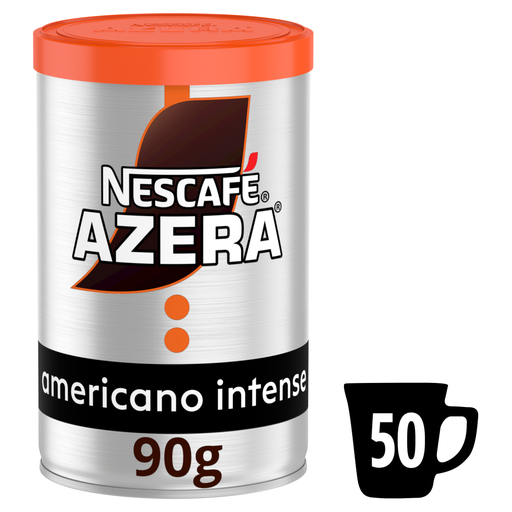 No image available
A bold Americano-flavour option described as decaffeinated. If reducing caffeine exposure matters, check the current pack for the amount per prepared serving; decaffeinated does not mean caffeine-free.
 No image available
A 100 g dark-roast instant coffee for someone seeking an intense flavour. Check caffeine information for the prepared serving if sensitivity is a concern.
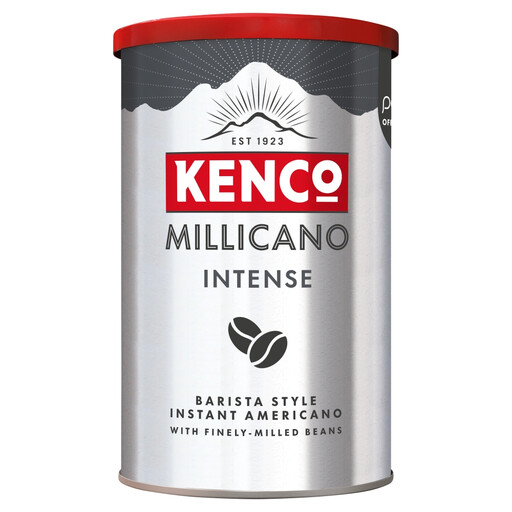 No image available
This 95 g tin suits a preference for an intense Americano flavour. Its name does not establish how much caffeine a prepared cup contains, so check the serving information if needed.
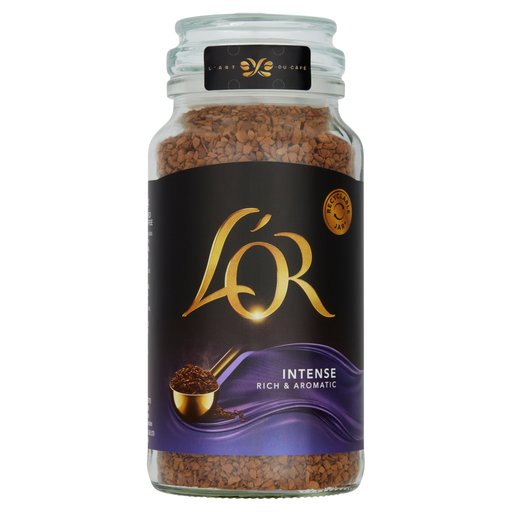 No image available
A 150 g coffee described with an intense flavour. Check the pack for its preparation and caffeine information rather than comparing “intense” directly with another brand’s strength number.
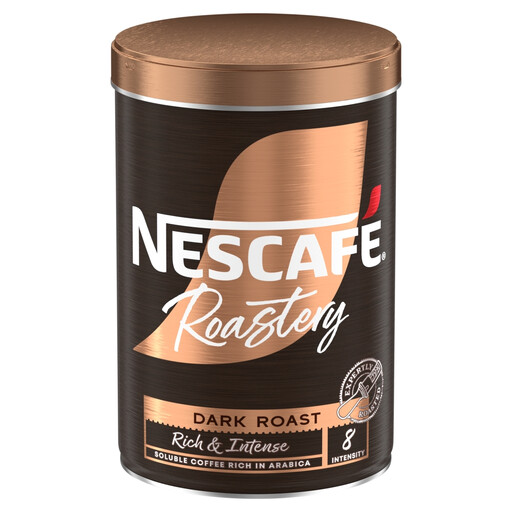 No image available
A 95 g dark-roast option for someone seeking that roast style. Dark roast alone does not establish an especially bold flavour or a particular caffeine dose; check the current pack if either distinction matters.
Black instant coffee should not replace food or an individual nutrition plan. Nescafé lists a mug of Gold Blend Intense made with one teaspoon and water at 2 kcal; anything added to the drink changes its finished nutritional content.
No direct caffeine comparison follows from the number. Nescafé explains that strength scales generally describe flavour intensity and can differ between brands; check caffeine information for the particular coffee and serving when it matters.
Yes. NHS guidance includes tea and coffee among drinks that count towards fluid intake, while advising moderation with caffeine because sensitivity varies. If bladder symptoms are a concern, NHS Tayside identifies caffeine as a possible aggravating factor.
University Hospitals Coventry and Warwickshire NHS Trust advises avoiding coffee or tea for 1 hour before or after meals when following its guidance for iron deficiency anaemia, because drinking them with a meal can reduce iron absorption. This is not a blanket timing rule for every older adult.