Drinkers who want a robust black coffee
If you take your winter coffee black or with a little milk, look for a description of the exact jar’s roast and flavour rather than relying on the word “strong” alone.


Choose a strong instant coffee by the flavour and cup style you want, not by treating a strength number as a caffeine measure. Tesco lists Kenco Rich at intensity 9 for a robust-flavour option; NESCAFÉ describes AZERA Americano Intense as full-bodied with a crema-style top, while Tesco describes Finest Intenso as dark and intense with caramel notes. Strength scales differ between brands, so read the description and preparation guidance for the exact jar.
If you take your winter coffee black or with a little milk, look for a description of the exact jar’s roast and flavour rather than relying on the word “strong” alone.
If texture matters as much as flavour, consider whether you want a crema-style top or a blend containing ground coffee. Check the product guidance if you prefer a cup without visible grounds.
An intense flavour label does not give the caffeine amount. Check the exact coffee and serving size when caffeine intake affects your choice.
Start with the flavour you want, then consider texture, caffeine information and how you will prepare the cup.
| Priority | What to check | Your needs |
|---|---|---|
| Flavour intensity | Read the roast and flavour description. Tesco lists Kenco Rich at intensity 9; NESCAFÉ explains that strength numbers generally describe flavour, not caffeine, and brand scales are not directly comparable. | I want a dark or robust cup, but I would rather choose by its flavour description than compare unrelated strength numbers. |
| Cup texture | Check whether the exact product contains ground coffee and whether its maker describes a crema-style top. NESCAFÉ makes the crema-style claim for AZERA Americano Intense; Tesco describes ground Arabica in Finest Intenso. | A fuller, café-style presentation matters to me, though I may prefer to check for guidance about grounds in the cup. |
| Caffeine | Check caffeine information for the exact coffee and prepared serving. A flavour-strength number is not a caffeine measurement, according to NESCAFÉ’s UK coffee guide. | If I am keeping track of caffeine, I need the serving information rather than an assumption based on how intense the coffee tastes. |
| Preparation | Read the jar’s guidance for the amount of coffee and water, then consider how adding milk changes the cup you want to make. | For a quick winter drink, I want instructions that suit the way I usually prepare and serve coffee. |
NESCAFÉ’s UK coffee guide says strength numbers tend to indicate flavour intensity rather than caffeine content. Numbers on different brands’ packs are not a shared measurement.
Use the description to choose a flavour, and check the exact product’s caffeine information if intake matters to you.
A coffee blended with ground beans may not leave the same cup as one made solely from soluble coffee, which matters if you dislike visible residue.
Check the ingredients and any maker guidance about grounds before choosing a blended instant coffee.
A stronger-tasting cup does not establish its caffeine amount. Milton Keynes University Hospital NHS Foundation Trust advises limiting total caffeine to 200 mg a day during pregnancy.
Check the exact serving information and include caffeine from other drinks and foods when keeping track of a daily total.
Kenco describes Rich as an intense medium-to-dark roast; Tesco lists the 190g Kenco Rich jar at intensity 9.
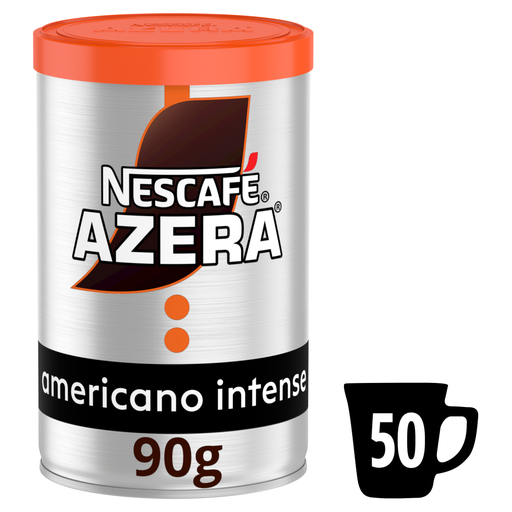
NESCAFÉ describes AZERA Americano Intense as producing a crema-style top and Gold Blend Intense as dark-roasted and full-bodied.
Tesco describes Finest Intenso as a dark, intense instant coffee with caramel notes, made with Arabica and Robusta coffee and ground Arabica.
These instant coffee options let you compare dark-roast, intense-labelled and Americano-style choices for a hot winter cup. Use each jar’s own description and serving information when deciding.
 No image available
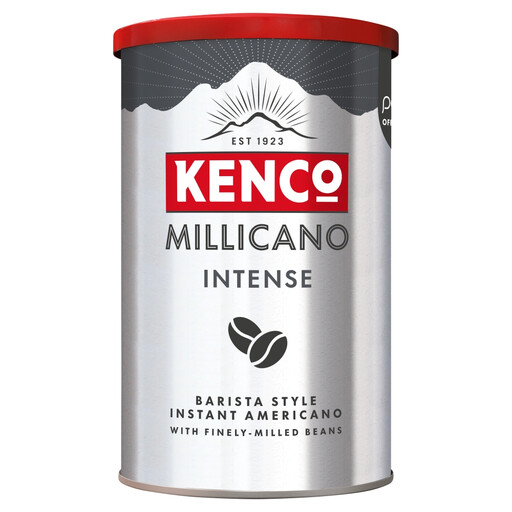
Consider this dark-roast option if roast description is your starting point for a winter cup. Check the jar’s preparation and caffeine information for the serving you intend to make.
 No image available
An Americano-style option to consider if you prefer that cup style to a dark-roast label. Check the tin’s blend and preparation guidance if texture is important to you.
 No image available
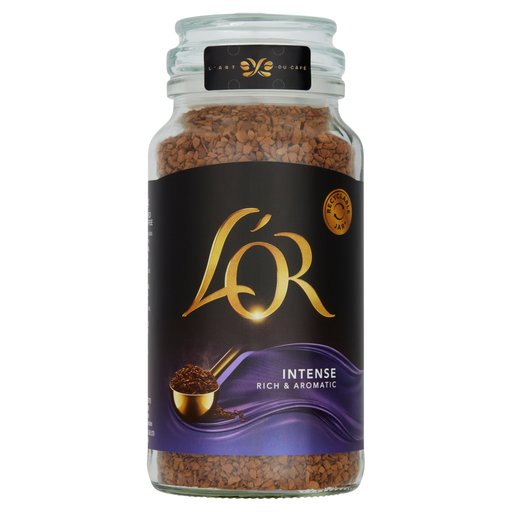
Compare this Americano-style jar if cup style matters as much as its intense-flavour description. Check the exact pack for preparation and caffeine details; “Intense” is not a caffeine figure.
 No image available
For a hot cup, compare the pack’s flavour description and preparation directions with the way you drink coffee. Its “Intense” name alone does not establish the caffeine amount per serving.
 No image available
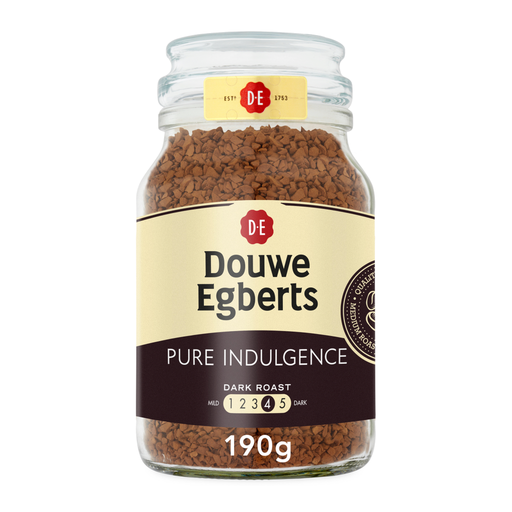
Compare this 190g jar with the explicitly intense-labelled options if you are choosing by flavour description. Check its preparation and caffeine information on the pack rather than comparing strength labels across brands.
No: NESCAFÉ’s UK coffee guide says strength numbers tend to describe flavour intensity rather than caffeine content. Read the exact jar’s caffeine information instead, and do not treat different brands’ scales as equivalent.
Choose a flavour description that appeals to you, follow the pack’s preparation directions, then adjust the coffee, water or milk to taste. If caffeine intake matters, check how a change in coffee quantity affects the serving you make.
Look at the exact product’s description of its cup style and ingredients. NESCAFÉ describes AZERA Americano Intense as having a crema-style top, while Tesco describes Finest Intenso as containing ground Arabica; check guidance about grounds if you prefer a cup without residue.
No. Flavour intensity does not establish caffeine content. Milton Keynes University Hospital NHS Foundation Trust advises limiting total caffeine to 200 mg a day during pregnancy, so check the exact coffee and serving size and account for other sources of caffeine.