What should you check?
Decide whether your main concern is the flavour in the cup or the caffeine you consume, then compare preparation and pack details within that choice.
| Priority |
What to check |
Your needs |
| Flavour strength |
Read the roast and flavour description. Use an intensity number in the context of its own brand; Nescafé’s UK guidance says strength scales generally describe flavour rather than caffeine. |
I want a bold or dark-roast cup, but I do not need an intensity label to tell me how much caffeine it contains. |
| Caffeine management |
Look for a decaffeinated designation and check the current pack for serving and caffeine information. Count other caffeine sources as well: NHS pregnancy guidance sets a limit of 200 mg a day. |
If I am pregnant or breastfeeding, I need to consider my total caffeine intake separately from the coffee’s flavour. NHS breastfeeding pages give different daily figures, so I would seek individual advice if a precise limit matters. |
| Cup preparation |
Check the maker’s granule-to-water directions and whether the described style suits how you drink coffee. Carte Noire’s Intense listing, for example, gives one or two teaspoons per cup. |
For a quick routine, I want a straightforward cup that tastes right black or with milk, without guessing how much coffee to use when tracking caffeine. |
| Pack details |
Compare pack size and read the current ingredients and allergen information on the physical pack, particularly for flavoured or milk-containing products. Check availability before ordering. |
I want a jar size that suits my household and a current label I can rely on when choosing what to buy. |
Brand and product-line references
These named coffees illustrate different flavour descriptions and label conventions; a brand reference does not imply that every product in its range has the same characteristics.
Kenco
Kenco describes its Rich instant coffee as robust and labels it intensity 9.
- The Rich product page gives a specific intensity label for shoppers choosing by stated flavour.
- Intensity 9 is not a caffeine amount or a number that can be compared directly with another brand’s scale.
Nescafé
Nescafé describes Gold Blend Intense as dark-roasted with toasted notes, while Azera Americano Intense is described as full-bodied.
- The two named products offer different stated flavour styles to compare.
- Neither flavour description establishes how much caffeine is in your prepared cup.
Douwe Egberts
Waitrose lists Pure Indulgence as a dark-roast instant coffee with strength 4 and a rich, velvety flavour description.
- The roast and flavour wording offers more context than the strength number alone.
- Strength 4 cannot be ranked directly against Kenco Rich’s intensity 9.
Carte Noire
Sainsbury’s describes Carte Noire Intense as a dark-roast blend of Arabica and Robusta beans.
- The listing gives a preparation range of one or two teaspoons per cup.
- Check current availability: the Sainsbury’s listing cited for this product showed it out of stock.
Instant coffee options on Joybuy
These options include jars labelled Intense or dark roast, plus a decaffeinated Americano option for shoppers weighing flavour against caffeine intake. Compare their current packs for preparation and caffeine information relevant to you.
 No image available
Costa Instant Intense Dark Roast 100g
Consider this 100g instant coffee if a dark-roast, intense flavour description matches the cup you want. The name does not establish its caffeine content; check the current pack if you need to track intake.
View on Joybuy
 No image available
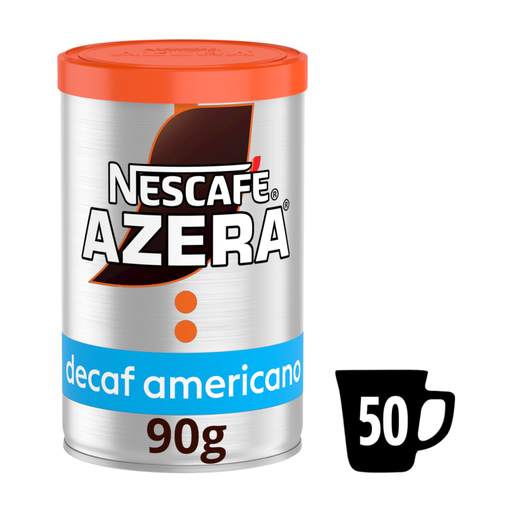
NESCAFÉ Azera Decaf Americano 90g
This 90g decaffeinated Americano option is worth considering when reducing caffeine matters more than choosing a standard caffeinated jar. Decaffeinated does not mean caffeine-free; check the current pack if you need a precise amount.
View on Joybuy
 No image available
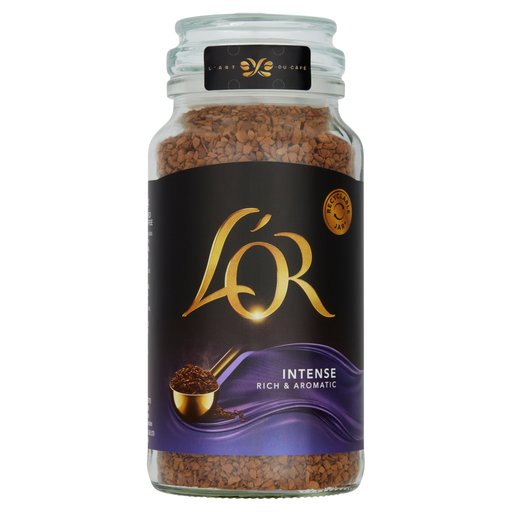
L’OR Intense Coffee 150g
The 150g jar is labelled Intense, making it an option to compare when flavour strength is the priority. That wording is not a caffeine measurement; follow the preparation directions and check the pack if monitoring intake.
View on Joybuy
 No image available
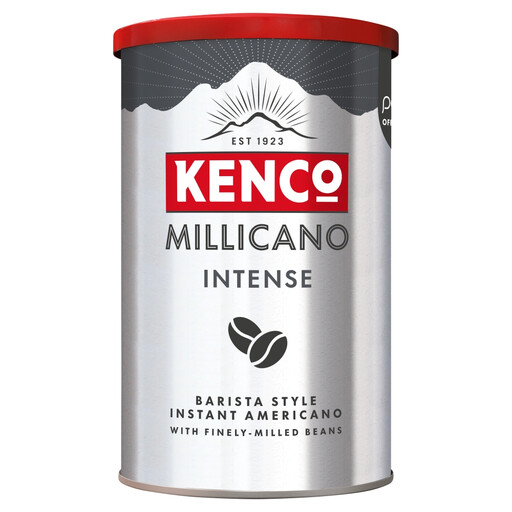
Kenco Millicano Americano Intense 95g tin
Choose this 95g tin for its stated Intense Americano style if that is the flavour direction you prefer. Do not use the style name to estimate caffeine per cup; check the current pack when intake matters.
View on Joybuy
 No image available
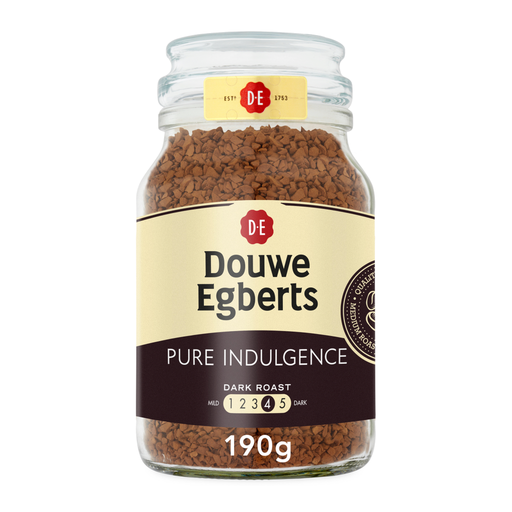
Douwe Egberts Pure Indulgence Coffee 190g
This 190g jar is an option for shoppers who prefer the dark-roast, rich and velvety flavour described in Waitrose’s Pure Indulgence listing. The Joybuy product listing states 40 mg of caffeine per 100 ml and advises against use during pregnancy or while breastfeeding; that figure is not an amount for your prepared cup. Check the current pack and follow its warning.
View on Joybuy
Questions about flavour and caffeine
Does strong instant coffee necessarily contain more caffeine?
No. Nescafé’s UK coffee-strength guidance says strength numbers generally describe flavour intensity, not caffeine content. Use product-specific caffeine information rather than the word “strong” if you need to track intake.
What does NHS guidance say about caffeine in pregnancy?
NHS pregnancy guidance says to have no more than 200 mg of caffeine a day and estimates 100 mg in a cup of instant coffee. That is a general cup estimate, not a measurement of any jar on this page; include other caffeine sources when considering your total.
Which caffeine figure applies while breastfeeding?
Two NHS breastfeeding pages give different advice: Breastfeeding and diet recommends no more than 200 mg a day, while What to eat and drink – Breastfeeding says to try not to have more than 300 mg. Check your total caffeine intake and ask a health visitor, GP or pharmacist if you need advice for your circumstances.
Can I make a cup taste stronger without changing jars?
You can adjust preparation where the maker’s directions allow it: Sainsbury’s Carte Noire Intense listing gives one or two teaspoons per cup, and Nescafé says using less water can make its Original coffee more concentrated. Less water alone does not change the quantity of coffee used, whereas adding more coffee may change caffeine intake.
Which label details should I check before using a new jar?
Read the current pack’s ingredients, allergen information and preparation directions, particularly for flavoured, milk-containing or sachet products. Tesco notes that food information may change, so do not rely solely on an older online listing.


