What should you check?
Choose the flavour profile first, then test whether the same measured recipe and pack format work through a lunch service.
| Priority |
What to check |
Your needs |
| Flavour with milk |
Check the exact blend’s description, then trial a measured brew in the serving cup with the usual amount of milk. Whittard describes Chelsea Breakfast as stronger than its own English Breakfast; that is not a comparison with every breakfast tea. |
I want a pronounced black-tea flavour when milk is added, without assuming every English Breakfast blend tastes equally strong. |
| Repeatable brewing |
Record the leaf measure, water volume, steeping time and point when leaves are removed. Whittard gives 2g per cup and 3–5 minutes for Chelsea Breakfast; use the directions for the product actually purchased. |
Different staff should be able to make the lunch-service tea from the same recipe. |
| Serving equipment |
Confirm that the teapot or infuser holds the intended batch and allows leaves to be strained out. Ringtons for Business identifies teapots as one use for its breakfast loose-leaf range. |
There needs to be a workable way to prepare tea and manage used leaves during the lunch rush. |
| Pack and storage |
Compare pack size with expected use and the space available to keep opened tea sealed. Twinings lists a 500g English Breakfast caddy, while Bettys lists a 1kg English Breakfast bag; neither pack size establishes stronger flavour. |
We need a pack we can use and store between services, not just one that suits a single trial. |
| Supplier information |
Keep the specification for the exact tea and check the ingredients and additions in the served drink. GOV.UK allergen guidance requires allergen information for prepacked and non-prepacked food and drink in retail and catering. |
I need accurate information for the tea as served, including any milk or flavour additions. |
Relevant brand references
These are examples of specific loose-tea lines and supply routes, not a claim that every product from each brand suits a strong lunch-service brew.
Twinings
Twinings describes London Strand Strong Breakfast as a robust, bright blend of second-flush Assam and African tea.
- Its guidance for London Strand Strong Breakfast gives one teaspoon per cup and a 2–3 minute brew.
- Its separate 500g English Breakfast caddy is described as full bodied, not as the same dedicated strong blend.
Whittard
Whittard describes Chelsea Breakfast as a stronger alternative to its own English Breakfast.
- The brand gives a 2g-per-cup measure and a 3–5 minute brew for Chelsea Breakfast.
- Check whether the listed 100g retail format fits the canteen’s ordering and handling needs.
Fortnum & Mason
Fortnum & Mason says the broken Assam leaves in its Breakfast Blend make a strong, full-bodied brew.
- The loose-leaf caddy is 250g, with guidance of 2g of tea and a 3–5 minute brew.
- Check whether a retail caddy is a practical format for recurring lunch service.
Bettys
Bettys describes its English Breakfast as a blend of teas from India and Africa and lists a 1kg bag.
- The larger listed format may be worth assessing for a regularly used canteen recipe.
- It is not specifically described as an extra-strong blend; trial its flavour against the canteen’s brief.
Ringtons
Ringtons for Business offers a breakfast loose-leaf tea range for business use and teapots.
- The business-supply route is relevant to a canteen preparing tea in pots.
- Confirm the specification, pack format and strength description of the exact tea before ordering.
Yorkshire Tea
Yorkshire Tea lists loose-tea versions of its standard and Gold blends.
- Both are named loose-tea options to assess using the canteen’s recipe.
- Their availability as loose tea does not establish that either meets an extra-strong brief.
Joybuy product options
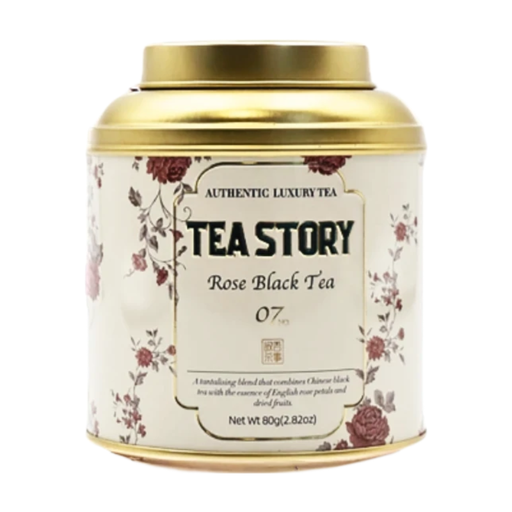
This rose-flavoured loose-leaf black tea is an option to trial if a floral note could suit the canteen. Test its flavour and strength with the usual lunch-service recipe before using it in place of a strong breakfast blend.
 No image available
Tea Story Rose Black Tea loose leaf 80g
Consider this for a measured trial if rose-flavoured black tea could suit lunch customers; check its flavour with the canteen’s usual milk. The listed ingredients are black tea and rose flowers, and the brewing directions give 2–3g per cup with a 3–5 minute steep. Check whether the 80g pack fits expected use, and obtain the current specification and allergen information for the exact product before serving.
View on Joybuy
Questions about canteen tea
Which loose tea should a canteen trial for a strong brew with milk?
Start with a black breakfast blend its maker describes as strong, then trial it with the milk and cup size used at lunch. Twinings describes London Strand Strong Breakfast as strong and robust; Whittard positions Chelsea Breakfast as stronger than its own English Breakfast; and Fortnum & Mason says its Breakfast Blend makes a strong brew. Those descriptions are not independent taste comparisons.
How can different staff make the tea consistently?
Give staff a recipe stating the tea measure, water volume, steeping time and when to remove the leaves. For Chelsea Breakfast, Whittard gives 2g per cup and 3–5 minutes; follow the directions and trial results for whichever product the canteen chooses.
Does a canteen need equipment for loose-leaf tea?
It needs a way to contain and remove the leaves, such as an infuser or a teapot used with a strainer. Check that the equipment suits the number of cups prepared at one time and that staff can remove the leaves at the recipe’s agreed point.
How should opened loose tea be kept between services?
Keep it sealed in a cool, dry place away from direct light and strong odours, following the chosen product’s storage directions. If staff decant it into a service container, retain the information needed to identify the exact tea.
What allergen information matters when the canteen serves tea?
GOV.UK allergen guidance says retail and catering food businesses must provide allergen information for prepacked and non-prepacked food and drink. Keep the exact tea specification current and account for milk and any other additions in the drink served; a plain-tea ingredient list alone does not describe those additions.


