Older adults who enjoy a traditional strong brew
A loose black tea may suit someone who likes a pronounced flavour and is comfortable measuring leaves and preparing a pot or cup.


For an older adult who enjoys a strong, traditional cup, a loose black breakfast-style blend is a starting point: check how the seller describes its flavour, then adjust the brew using its preparation guidance. If reducing caffeine matters, consider a decaffeinated loose black tea or a caffeine-free infusion instead. Where iron intake is a concern, the Scientific Advisory Committee on Nutrition advises against having tea with iron-rich foods; a stronger brew is a flavour choice, not a nutrition treatment.
A loose black tea may suit someone who likes a pronounced flavour and is comfortable measuring leaves and preparing a pot or cup.
Someone who wants to keep a tea routine while reducing caffeine can look for a clearly labelled decaffeinated loose black tea, or consider a caffeine-free infusion if a different flavour appeals.
When iron intake is a concern, a familiar tea can be served at another time rather than alongside iron-rich food, in line with guidance from the Scientific Advisory Committee on Nutrition.
Start with the flavour the person wants, then check whether the format, caffeine choice and timing work for their daily routine.
Choose when: A traditional black-tea flavour is the priority and caffeine is acceptable.
Bear in mind: Its caffeine makes it a different choice from decaf, and tea should be kept apart from iron-rich meals when iron intake matters.
Choose when: The person wants a black-tea style while reducing caffeine.
Bear in mind: Check the exact tea’s flavour description rather than assuming it will taste like a particular standard blend.
Choose when: Avoiding caffeine matters more than keeping a classic black-tea flavour.
Bear in mind: Herbal and rooibos infusions offer a different flavour route; check the ingredients and caffeine labelling of the exact blend.
| Priority | What to check | Your needs |
|---|---|---|
| Flavour and brewing | Look for a specific description of strength or richness, rather than assuming all black teas taste alike. Follow the tea’s preparation instructions; Ringtons suggests one teaspoon per cup and a three-to-five-minute steep for its loose tea. | I enjoy a pronounced, traditional brew, but would like to adjust the cup to my taste. |
| Caffeine and format | Check whether the exact product is standard black tea, labelled decaffeinated, or labelled caffeine-free. Also check that it is loose leaf if that format matters. | A familiar tea flavour appeals to me, but I may want to reduce caffeine. I also need a format I can prepare comfortably. |
| Drinks and mealtimes | The NHS says tea counts towards fluid intake. If iron intake is relevant, follow the Scientific Advisory Committee on Nutrition’s guidance not to have tea with iron-rich foods. | Tea is part of the daily drinks routine, and I want to plan when to serve it if iron-rich meals need attention. |
A bolder flavour does not address an iron-related dietary concern. The Scientific Advisory Committee on Nutrition identifies tea as an inhibitor of iron absorption when consumed with iron-rich foods.
Choose brew strength for taste, and serve tea at another time if iron intake is relevant. Seek individual clinical or dietetic advice for a diagnosed nutrition condition.
Standard black tea is a caffeinated choice; a loose-leaf label does not mean it is decaffeinated.
Check the exact product label. If reducing caffeine is the priority, compare a decaffeinated loose black tea with a caffeine-free infusion, allowing for their different flavours.
Measuring leaves, handling hot water and straining the brew may be awkward for someone with limited hand strength or vision.
Consider whether the person can use the brewing equipment comfortably. A tea bag may be a more manageable format if loose-leaf preparation is difficult.
Loose tea may also call for an infuser, strainer or suitable teapot if one is not already available.
These brand ranges provide styles to compare; a range listing does not establish how strong one tea will taste beside another.
Its 250 g loose-leaf tea is a traditional black-tea option.
Its loose-tea range includes the Traditional Valley View black-tea blend.
Its loose-tea range lists black teas as well as Decaffeinated English Breakfast Loose Tea.
Its loose-leaf range lists Assam and English Breakfast black teas.
Its tea collection lists loose-leaf Assam, Breakfast Blend, Royal Blend and Earl Grey formats.
Its tea selection includes Bettys Breakfast Tea Loose Leaf and Yorkshire Tea loose leaf.
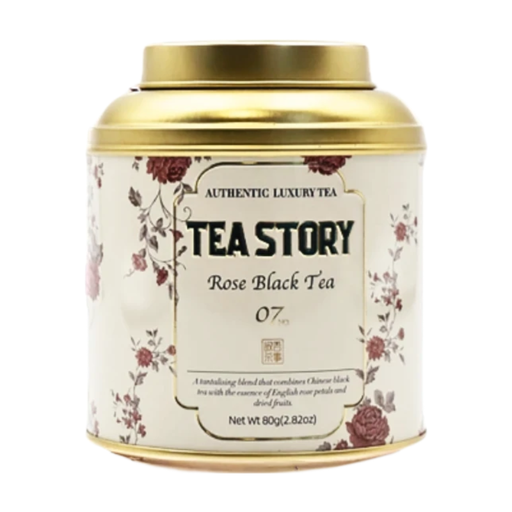
This rose black loose-leaf tea is an option to consider if a traditional black-tea format appeals. Check its caffeine suitability and whether loose-leaf preparation works for the person who will drink it.
 No image available
A rose black-tea option for someone who wants a loose-leaf cup; the product is an 80 g caddy. Check the exact product’s caffeine information if reducing caffeine matters, and allow for measuring and straining the leaves.
No: choose a stronger brew for flavour, not as a nutrition treatment. If iron intake is a concern, the Scientific Advisory Committee on Nutrition advises against consuming tea with iron-rich foods because tea can inhibit iron absorption.
Yes. The NHS includes tea and coffee among drinks that count towards daily fluid intake, while advising moderation with caffeine. Its dehydration guidance notes that older adults are at greater risk of dehydration, so drinks should be considered as part of the person’s wider routine.
Start with the instructions for the exact tea and adjust the brew to taste. For its loose tea, Ringtons suggests one teaspoon per cup and a steep of three to five minutes, depending on the strength wanted.
Consider it when the person wants a black-tea style but is reducing caffeine. Check that the exact product is both decaffeinated and loose leaf, then choose a flavour description that appeals rather than assuming it will taste the same as their usual tea.