Choose a pure Assam if you want a distinctly malty, full-bodied cup; choose a stronger breakfast blend if you want a bold, familiar tea to offer guests. An everyday black-tea blend is another option when the property is used often enough to finish a larger pack. For intermittent visits, match the pack size to likely use, keep opened tea airtight and follow the blend’s brewing directions before judging its strength.
Who is stocking the tea?
Second-home owners who prefer a bold morning cup
If tea with milk is the usual choice, start by comparing the documented flavour descriptions of Assam and robust breakfast blends. Follow the chosen tea’s dose and brewing time so each visit starts from the same preparation.
Occasional visitors managing an opened pack
A smaller pack makes sense when visits are infrequent and an opened pack might remain at the property for a long time. Whittard of Chelsea advises keeping opened tea airtight in a cool, dry place away from strong light and odours.
Hosts serving guests with different tastes
A breakfast blend offers a familiar style to consider for a shared tea cupboard. If guests particularly enjoy a malty Assam, stock it as a deliberate choice rather than assuming everyone wants the same flavour.
What matters when choosing?
Choose the tea style first, then check whether its pack size, storage directions and brewing method fit the way the second home is used.
Pure Assam
Choose it when: A distinctly malty, full-bodied black tea is the aim; Twinings and Bettys describe their Assam teas in those terms.
Consider: Its pronounced character may not suit every guest’s preference.
Stronger breakfast blend
Choose it when: You want a bold breakfast-style option; Whittard of Chelsea describes Chelsea Breakfast as stronger than its own English Breakfast.
Consider: That comparison is between Whittard’s blends, not a strength ranking against every loose tea.
Everyday black-tea blend
Choose it when: Several visitors drink tea regularly and a larger pack is likely to be used.
Consider: Ringtons describes its 250g Valley View blend as rich and refreshing, rather than specifically extra-strong.
| Priority |
What to check |
Your needs |
| Flavour and strength |
Compare the specific tea’s description, not just words such as “breakfast” on the pack. Check whether it is Assam, an Assam-led blend or another black-tea blend, and read its recommended dose and brewing time. |
I want a bold cup with milk, or a distinctly malty tea, without assuming every breakfast blend tastes equally strong. |
| Pack and storage |
Match the pack weight to expected visits. Check the storage directions and have an airtight container ready if the opened pack requires one; Whittard specifies cool, dry storage away from strong light and odours. |
If I visit only occasionally, I would rather open a manageable pack than leave a large one in the cupboard between trips. |
| Guest preparation |
Keep a teaspoon and a way to separate the leaves from the drink at the property. Follow the product’s own quantity and infusion range: Twinings specifies one teaspoon per cup for 2–3 minutes for its Assam, while Ringtons specifies one heaped teaspoon per cup for 3–5 minutes for Valley View. |
Guests should be able to make a repeatable cup without guessing how much leaf to use or how long to brew it. |
Common stocking mistakes
-
Buying the largest pack by default
A 250g pack may remain open for a long time at a property used only occasionally, whereas the documented options also include smaller 100g and 125g packs.
Estimate how many cups will be made between visits before choosing a size. Keep the leaves airtight after opening where the product directions call for it.
-
Assuming every breakfast tea has the same strength
Whittard of Chelsea describes Chelsea Breakfast as stronger than its English Breakfast. Ringtons describes Valley View as rich and refreshing, without positioning it as extra-strong.
Read the particular blend’s flavour description and brewing directions. Consider Assam for a pronounced malty character or an explicitly stronger breakfast blend for a familiar breakfast style.
-
Leaving an opened packet exposed
Whittard of Chelsea directs customers to store opened loose tea airtight, in a cool, dry place away from strong light and odours; Ringtons also specifies an airtight container after opening.
Leave a suitable container at the second home and keep the labelled pack so guests can check its ingredients and preparation directions.
-
Using the caddy as a guide to cup strength
A caddy can be useful for storing and presenting tea, but its appearance does not tell you how the blend is described or how it should be brewed.
Choose a caddy if its format is useful to you; compare the tea’s documented flavour, pack weight and brewing directions separately.
Brand ranges to consider
These brand examples illustrate different loose-tea styles and pack formats; their flavour descriptions come from the brands themselves.
Twinings
Its 125g loose Assam is a smaller-pack option for trying a bold black tea at an occasionally used property.
- Twinings describes the Assam as full-bodied and gives directions of one teaspoon per cup for 2–3 minutes.
- A 125g pack needs replacing sooner than a larger pack if many visitors drink it regularly.
Yorkshire Tea
Yorkshire Tea and Yorkshire Gold are available as loose tea for shoppers considering a familiar blended style.
- The brand says Yorkshire Gold combines teas from Assam, Kenya and Rwanda.
- The brand’s separate hard-water blend should not be confused with a claim that every Yorkshire loose tea is designed for hard water.
Whittard of Chelsea
Its range includes Tippy Assam and Chelsea Breakfast, offering a choice between a malty Assam and a breakfast blend the brand calls stronger than its English Breakfast.
- Whittard gives clear storage directions: keep the tea cool and dry, away from strong light and odours, and airtight once opened.
- The stated strength comparison for Chelsea Breakfast applies to Whittard’s own English Breakfast, not to all loose-leaf teas.
Fortnum & Mason
Its 250g Breakfast Blend caddy combines an Assam-led tea with a format that may appeal to hosts who want a tea container on hand.
- Fortnum & Mason describes a robust, malty blend and specifies 2g per cup with a 3–5-minute brew.
- Consider whether a 250g pack matches the property’s likely use before opening it.
Bettys
Bettys offers a Breakfast Tea loose-leaf caddy for those seeking a malty Assam style in a tin.
- Bettys describes the brewed tea as strong, malty and full-bodied, and recommends a caddy for keeping tea fresh.
- The caddy and brand description do not establish how its strength compares with other brands’ teas.
Ringtons
Valley View is a 250g loose black-tea blend to consider when the property is used regularly.
- Ringtons identifies it as 100% black tea and gives directions of one heaped teaspoon per cup for 3–5 minutes.
- Ringtons calls it rich and refreshing, rather than explicitly describing it as extra-strong.
A Joybuy product option
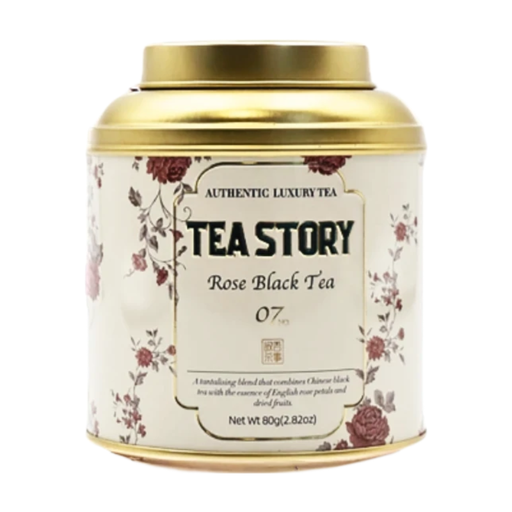
This rose-flavoured loose black tea is an option if a floral variation would suit the second home. It is a different flavour choice from the plain Assam and breakfast blends discussed above.
 No image available
Tea Story Rose Black Tea, 80g
The 80g pack offers a smaller quantity to consider for intermittent visits. Its rose flavour differs from an unflavoured Assam or breakfast blend; if guests expect a strong tea with milk, check whether that flavour suits them. Keep an airtight container at the property for the opened tea.
Joybuy
Questions about stocking loose tea
Which loose tea should I try for a bold cup with milk?
Start by considering Assam or an Assam-led breakfast blend. Twinings and Bettys describe their Assam teas as full-bodied or malty, while Fortnum & Mason describes its Assam Breakfast Blend as robust; these are brand flavour descriptions, so a smaller pack is a practical first choice if the blend is unfamiliar.
How much loose tea should I leave at a second home?
Choose a pack you expect to use during your visits rather than buying by pack size alone. Twinings offers a 125g Assam pack, while the documented Ringtons Valley View and Fortnum & Mason Breakfast Blend packs contain 250g; follow the chosen tea’s storage directions after opening.
How can guests make a consistent cup?
Leave a measuring teaspoon and an infuser or teapot beside the tea, then keep the pack directions available. Twinings specifies one teaspoon per cup for 2–3 minutes for its Assam; Ringtons specifies one heaped teaspoon per cup for 3–5 minutes for Valley View.
Where should opened loose tea be kept between visits?
Keep it airtight in a cool, dry place away from strong light and odours, following the particular pack’s directions. Whittard of Chelsea gives those instructions for its loose teas, and Ringtons also directs customers to use an airtight container after opening.


