For a breakfast latte, start with matcha intended for milk; for a water-based cup, choose a powder described for drinking plain. A multi-use powder offers flexibility if your weekday routine varies. None of those labels guarantees a stronger taste, so check the maker’s intended use and preparation instructions before increasing the amount of powder.
Who is each option for?
Breakfast latte drinkers
If you usually add milk or a plant drink, look for a powder whose maker describes it for lattes. JING Tea, for example, positions its Ceremonial Latte Matcha for use with milk; that description is more relevant to your drink than its grade name alone.
People making matcha on weekdays
If you switch between a cup of matcha and breakfast recipes, check whether the same powder is intended for both. Clearspring describes its Premium Grade for drinking and home baking. Pack size also matters when you prepare it regularly.
Plain-matcha drinkers
If you whisk matcha with water, consider the maker’s plain-drinking instructions and flavour description. Clearspring describes its Ceremonial Grade as rich and smooth, while JING Tea specifies a measured water-based preparation for its ceremonial powder. Those descriptions do not establish which will taste strongest to you.
What should you check?
Decide what goes into your breakfast cup first, then compare preparation instructions and pack size within that type of drink.
| Priority |
What to check |
Your needs |
| Drink format |
Check whether the maker intends the powder for milk, plain water or several uses. Read its flavour description in that context; a grade name alone does not specify how it will taste in your cup. |
I usually make a latte and want to choose a powder described for milk, rather than relying on a plain-drinking grade name. |
| Preparation |
Look for a measured powder amount and water quantity, then follow the instructions for that product. JING Tea specifies 1.5g per 160ml for its Ceremonial Matcha; do not apply that ratio to a different powder. |
For a water-based breakfast cup, I want a clear starting ratio before deciding whether to change the serving. |
| Caffeine |
Check the product’s own caffeine information if you plan to use more powder, and account for other caffeinated drinks. During pregnancy, the NHS advises no more than 200mg of caffeine a day in total. |
If I make a larger serving or have other caffeinated drinks, I need to keep track of the total rather than assume every matcha powder contains the same amount. |
| Pack size |
Check the stated grams and consider how often you will prepare matcha. Keep pack size separate from flavour claims: a larger pack does not establish a stronger cup. |
I make matcha on several weekdays and want a pack size that fits my routine without using more powder solely for a stronger taste. |
What can go wrong?
-
Assuming “ceremonial” means the strongest flavour
Matcha sold under that grade can be positioned for a smooth, water-based drink, while a separate powder from the same maker may be intended for milk. The grade name does not tell you how either will taste in your usual breakfast cup.
Choose the drink format first. Compare the maker’s intended use, flavour description and preparation method before treating grade wording as a deciding factor.
-
Adding more powder without checking caffeine
A larger powder serving also changes the caffeine in the drink, but an estimate for one product should not be applied to another. Other caffeinated drinks contribute to the day’s total.
Follow the product’s starting instructions and check its own caffeine information before changing the serving. During pregnancy, the NHS advises a daily total of no more than 200mg of caffeine.
Brand references
Clearspring
Clearspring distinguishes a Premium Grade described for drinking and home baking from a Ceremonial Grade it describes as rich and smooth.
- The different stated uses give milk-and-recipe drinkers and plain-matcha drinkers a starting point for comparison.
- The brand’s grade and taste descriptions do not guarantee how strong either powder will taste in a particular serving.
JING Tea
JING Tea separates a latte-focused matcha from a ceremonial powder with water-based preparation instructions.
- The latte product is described by JING Tea for use with milk; its Ceremonial Matcha specifies 1.5g per 160ml for a plain drink.
- The two products serve different drink formats, so their names alone cannot establish which will taste stronger at breakfast.
Teapigs
Teapigs says its matcha uses 100% green tea leaves from Japan.
- That ingredient description may be useful if you want to check what the powder contains.
- For a particular pack, check its own serving directions and product details before comparing it with powders intended for milk or plain water.
Matcha powders on Joybuy
These powders include options described for plain matcha and for drinks or recipes. Their product descriptions do not establish how strong a prepared breakfast cup will taste; use the stated format and preparation details to narrow your choice.
 No image available
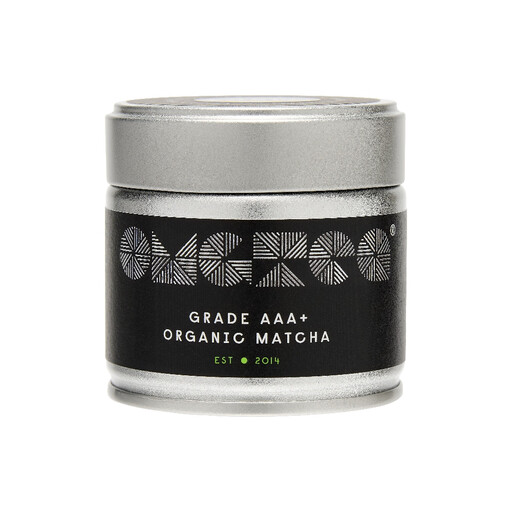
OMGTea Organic Matcha AAA+ 30g
This 30g powder is described for drinking as plain matcha. Its product description states 100% organic matcha and estimates approximately 34mg of caffeine per 1g of powder; that estimate should not be used for other products. The directions mention sifting before whisking, and the description says to refrigerate it after opening. Check the recommended powder-to-water ratio if you want a measured starting cup.
View on Joybuy
 No image available
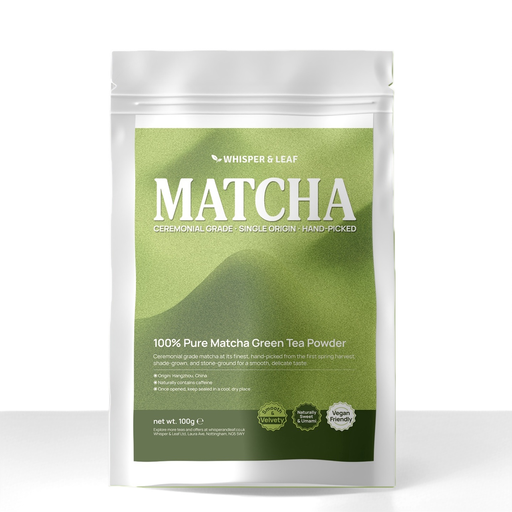
Whisper and Leaf Ceremonial Grade Matcha 100g Bag
This 100g bag is described for traditional water-based preparation as well as lattes. The product description states 100% ceremonial-grade matcha and 1200-mesh fineness, but those details do not establish flavour strength. Check its serving directions and caffeine information before increasing the amount used in a cup.
View on Joybuy
 No image available
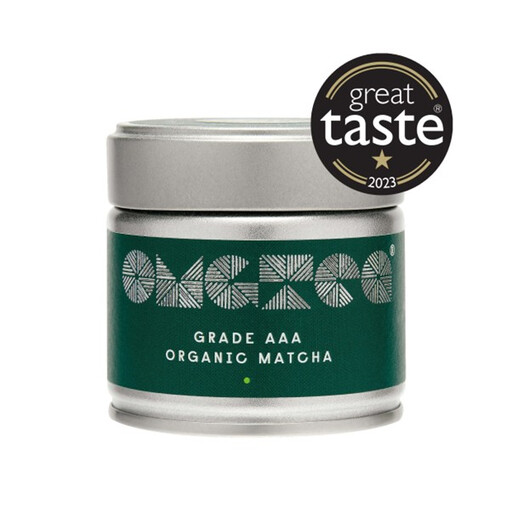
OMGTea AAA Organic Matcha 30g
This 30g powder is described for hot tea, smoothies and cooking, which may suit a breakfast routine that varies between drinks and recipes. Its description states 100% organic matcha and advises storage in a cool, dry pantry. Check the preparation ratio for your chosen drink rather than assuming the AAA designation indicates a particular flavour strength.
View on Joybuy
 No image available
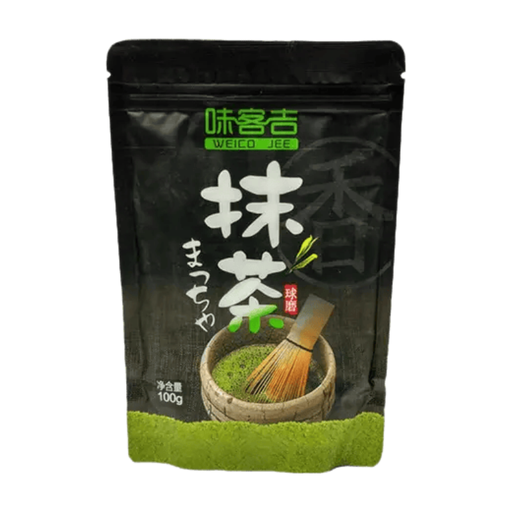
WKJ Matcha Powder 100g
This 100g powder is described for tea, lattes, smoothies and recipes. The product description calls it culinary grade, which indicates a stated product style rather than the strength of your prepared drink. Check the ingredients and the instructions for your intended breakfast serving.
View on Joybuy
Common questions
Does ceremonial grade mean a stronger matcha?
No: the grade name alone does not establish how strong matcha will taste in your drink. Clearspring describes its Ceremonial Grade as rich and smooth, while JING Tea offers a separate matcha intended for milk. Check the intended use and preparation instructions for the cup you actually make.
Where should I start if I want a stronger-tasting breakfast cup?
Start with the measured instructions for your particular powder and your usual choice of water or milk. JING Tea specifies 1.5g per 160ml for its water-based Ceremonial Matcha, but that ratio is not an instruction for other products. If you make a latte, check whether the powder is described for milk before changing the amount you use.
Does matcha count towards caffeine intake during pregnancy?
Yes. The NHS advises having no more than 200mg of caffeine a day during pregnancy, including caffeine from tea and other sources. Check the matcha product’s own caffeine information when planning a serving; do not apply one brand’s estimate to another powder.


