Hosts making matcha lattes
If the drink will contain plenty of dairy or plant milk, look for a powder intended for lattes or mixed drinks. Check the ingredients too: a matcha latte mix is not necessarily plain matcha powder.


For a milk-heavy brunch latte or a recipe, choose matcha described for lattes or culinary use: JING positions its Ceremonial Latte Matcha for milk, while Clearspring presents its Premium powder for drinks and food. For a mostly water-whisked serving, compare the flavour notes of individual ceremonial powders instead. A grade label does not establish which matcha will taste strongest in your finished drink.
If the drink will contain plenty of dairy or plant milk, look for a powder intended for lattes or mixed drinks. Check the ingredients too: a matcha latte mix is not necessarily plain matcha powder.
When the tea’s own flavour is central, compare descriptions such as rich or vegetal umami on the exact product. Ceremonial grade alone is not a standardised measure of flavour strength.
Sticks or capsules can make portions simpler to organise for several guests. Check the ingredients of each flavour and, for capsules, compatibility with the machine you will use.
Start with how you will serve the matcha, then check the exact product’s ingredients and preparation directions.
| Priority | What to check | Your needs |
|---|---|---|
| Flavour in milk or food | Look for an explicit latte or culinary use and read the product’s flavour description. Do not treat ceremonial grade as a strength score. | I want the matcha to remain noticeable in a latte or recipe, rather than choosing a powder solely for the way it tastes whisked with water. |
| Plain-tea flavour | Compare notes for the exact powder and follow its water-whisking directions. Clearspring describes its Ceremonial matcha as intense and rich; JING describes deep vegetal umami in its ceremonial matcha. | My brunch serve is mainly matcha and water, so the powder’s own flavour matters more than how it works with milk. |
| Ingredients | Read the ingredient and allergen information for the exact flavour and check the physical pack when serving someone with an allergy or intolerance. A flavoured stick or instant latte mix may differ from plain powder. | For an unsweetened drink, I need to distinguish plain matcha from a blend containing sweeteners or flavourings. |
| Portions and caffeine | Check the powder amount in the product’s preparation directions and any caffeine information for that product. The NHS advises pregnant people not to exceed 200mg of caffeine a day from all sources. | When caffeine intake matters, I need to account for the matcha serving alongside other caffeinated food and drinks that day. |
| Serving format | Check whether the product is loose powder, a stick or a capsule. For capsules, confirm the named machine compatibility before buying. | With several drinks to prepare, individual portions may be convenient; loose powder gives me a way to follow the recipe for each intended serve. |
JING distinguishes matcha intended for plain water-whisked drinking from culinary matcha described as holding its flavour against milk or sugar. A ceremonial label does not settle how a particular powder will taste in your latte.
Choose the main serve first—plain tea, latte or food—then check the exact product’s stated use and flavour notes.
The Waitrose-listed PerfectTed variety pack contains different flavours, so the Original and flavoured sticks should not be treated as interchangeable ingredient choices.
Read the ingredients and allergen information for the exact flavour, particularly when planning drinks for guests with dietary requirements.
Matcha contributes to total caffeine intake. The NHS advises pregnant people not to have more than 200mg of caffeine a day; that total includes other caffeinated food and drinks.
Use the chosen product’s serving directions and caffeine information when available, and consider the other caffeine sources consumed that day.
A powder selected for plain whisked tea may not give the flavour you want once mixed with milk or other ingredients.
Decide how the matcha will usually be served and check the product’s intended use before committing to a larger pack.
If the flavour does not suit that serve, some of the powder may go unused.
These product lines illustrate different ways to serve matcha; a brand’s presence here does not establish how every product in its range tastes.
Clearspring separates its Japanese matcha powders into Ceremonial and Premium options.
JING offers separate ceremonial matcha and matcha positioned for lattes.
teapigs has a UK matcha collection for shoppers considering a tea-specialist retailer.
Waitrose lists a PerfectTed variety pack of individual matcha sticks.
These options cover powder for plain tea or recipes, a matcha latte mix, and individually portioned drinks. Choose by the preparation and ingredients you need rather than treating the list as a flavour-strength ranking.
 No image available
An option for a mainly water-whisked brunch serving. The seller describes a sweet, creamy flavour with umami notes; check the pack’s serving directions and caffeine information if you are planning portions.
 No image available
Individual capsules offer a way to prepare separate matcha drinks. They are stated to work only with Nespresso Original line machines, so confirm your machine before buying; check the capsule information if the matcha amount or caffeine per drink matters.
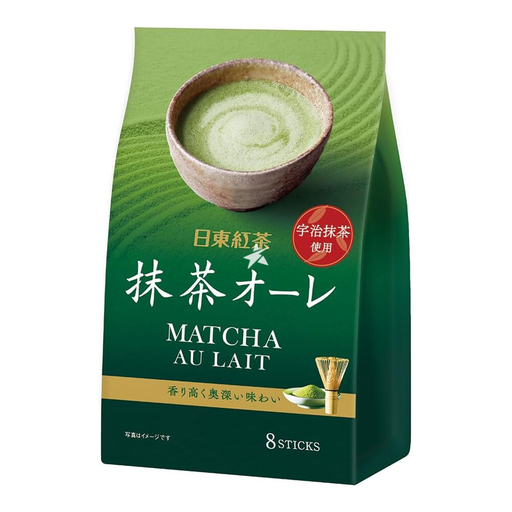 No image available
The individual sticks are described for hot or iced matcha lattes. This is a sweetened mix rather than plain matcha; its listed ingredients include milk and aspartame, so check the pack when serving guests with dietary requirements.
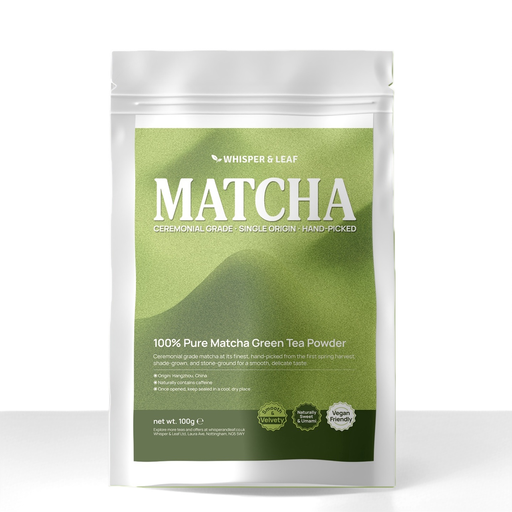 No image available
Described for traditional preparation and lattes, with mellow flavour notes rather than an established extra-bold taste. Check the preparation directions for your intended serving size.
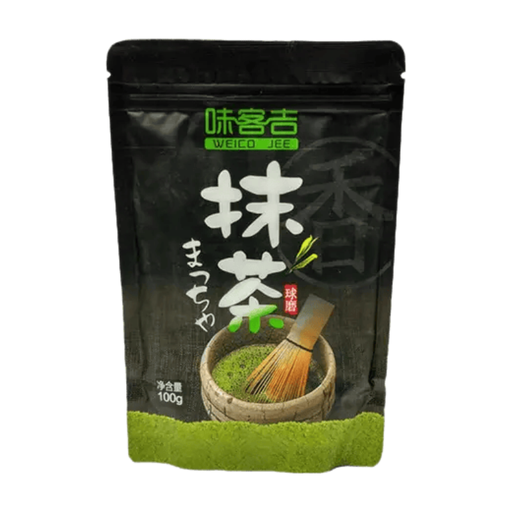 No image available
Presented for smoothies, baking and desserts when matcha is part of a brunch recipe. The seller describes a balanced umami flavour, not a measured level of flavour strength; check the preparation amount for your recipe.
It depends on the finished drink: matcha that tastes pronounced when whisked with water may not have the same effect after milk and other ingredients are added. For a latte, check whether the exact powder is intended for milk; for plain tea, compare its stated flavour notes.
You can, but a powder explicitly intended for lattes or culinary use is a more direct starting point for a milk-based drink. JING distinguishes ceremonial matcha for plain water-whisked preparation from culinary matcha described as holding its flavour against milk or sugar; check each product’s stated use.
No. Follow the preparation directions for the exact powder and the drink you are making rather than applying one amount to plain tea, lattes and recipes.
The NHS advises pregnant people not to have more than 200mg of caffeine a day. Matcha counts towards that total alongside other caffeinated food and drinks, so check the chosen product’s serving and caffeine information where available.
No. Flavoured sticks can have different ingredients from an Original variety, and instant latte mixes may contain sweeteners. Check the exact flavour’s ingredient and allergen information on the physical pack before serving it.