What should you check?
Start with the product format and ingredient list, then consider flavour descriptions, the amount of powder you will use and caffeine.
| Priority |
What to check |
Your needs |
| Added ingredients |
Look for matcha as the sole ingredient if you want control over additions. For flavoured powders and prepared drinks, read both the ingredients and sugars shown on the nutrition panel. |
I want to choose what goes into my drink rather than assume that every product labelled matcha is unsweetened. |
| Flavour |
Read the description for the exact product: earthy, grassy and vegetal or umami are useful taste cues. Check its measured preparation instructions before adjusting the powder-to-water ratio. |
A pronounced tea taste matters to me, but I do not want sweetness or a ceremonial-grade label to stand in for a description of the flavour. |
| Serving and caffeine |
Compare caffeine figures only alongside their stated serving sizes. Clearspring estimates approximately 32mg per 1g of its matcha; Tesco lists 43mg per 5g serving for PerfectTed. Neither figure describes every matcha powder. |
If I add powder for a stronger cup or have more than one serving, I need to account for the caffeine in the product I actually use. |
| Whole product |
For a matcha drink or food, check the complete ingredients, nutrition information and portion rather than judging it by the matcha ingredient alone. Sugar values per 100g and per serving answer different questions. |
I may choose a latte or dessert as well as plain matcha, but I want to assess each as the product it is. |
| Health claims |
Choose matcha for its taste and ingredients, not for a claimed effect on diabetes. Diabetes UK says herbal remedies must not replace a treatment plan. |
I want a beverage choice, not a substitute for prescribed treatment or advice from my diabetes team. |
Brand and retailer references
These examples show why the exact product and format matter; a brand or retailer name alone does not establish what is in a matcha drink.
Clearspring
Clearspring offers Japanese matcha powders positioned for drinking, including ceremonial and premium versions.
- Clearspring lists 100% organic matcha powder as the ingredient in both versions and suggests 1g in 30ml water for its ceremonial product.
- Its approximate 32mg caffeine figure per 1g comes from Clearspring and should not be applied to other matcha products.
JING
JING positions its single-cultivar ceremonial matcha from Kirishima, Japan, as a drinking powder.
- JING describes this product as having a deep vegetal umami flavour, a useful cue if that is the pronounced taste you want.
- Confirm the current pack ingredients and caffeine information for the serving you intend to make; ceremonial positioning is not a diabetes claim.
Teapigs
Teapigs has a dedicated matcha category.
- Its matcha range is another place to compare formats.
- Check the ingredients and serving information on the particular pack before treating it as plain, unsweetened powder.
Tesco
Tesco listings illustrate the difference between single-ingredient and flavoured matcha powders.
- Its SuperSelf listing declares organic matcha powder as the sole ingredient.
- Its PerfectTed Pistachio listing contains coconut sugar and declares 2.6g sugars per 5g serving. Check the current label for the product you choose.
Waitrose
Waitrose lists matcha powders alongside matcha-containing chilled drinks.
- The different formats give shoppers a reason to compare ingredients rather than rely on the word matcha.
- Its Alpro Coconut Matcha listing includes sugar and declares 4.19g sugars per 100ml; confirm the current pack label.
M&S
M&S describes matcha as earthy and grassy and also uses it in prepared foods.
- That flavour description can help explain what shoppers mean by a strong matcha taste.
- Its Matcha and Strawberry Doughnut lists 35g sugars per 100g, so assess matcha-branded foods as whole products.
Matcha powders on Joybuy
These are matcha powders for preparing your own drink, including portioned sachets. Compare their stated ingredients and flavour descriptions, then check serving and caffeine information for the pack you choose.
 No image available
OMGTea Organic Matcha AAA+ 30g
Consider this powder if a pronounced umami flavour appeals to you and you want to choose what goes into the cup.
The product description lists 100% organic matcha and estimates approximately 34mg caffeine per 1g serving. It advises sifting before whisking and refrigerating the powder in an airtight tin after opening.
View on Joybuy
 No image available
Perfectted Matcha Powder Sachets, 7 × 1.5g
Portioned sachets may suit you if you want to measure out powder without choosing a scoop size each time.
The listed ingredient is 100% ceremonial-grade matcha, supplied as seven 1.5g sachets. Its described balanced flavour does not establish an extra-bold taste; check the pack for caffeine per sachet when planning a stronger drink.
View on Joybuy
 No image available
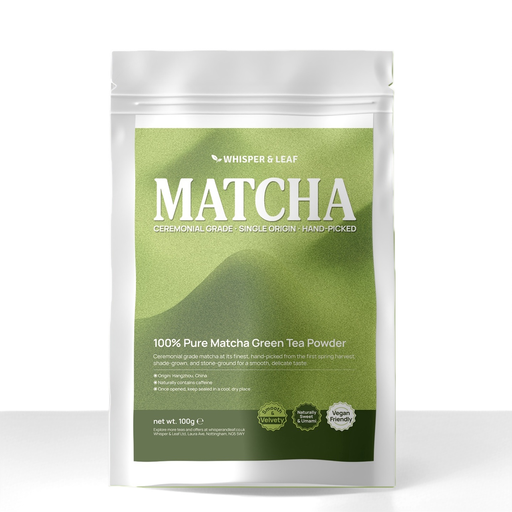
Whisper and Leaf Ceremonial Grade Matcha Powder, 100g
This loose powder lets you choose the amount used for a whisked drink or latte.
The ingredient description lists 100% ceremonial-grade matcha in a 100g bag and characterises its flavour as smooth and balanced, rather than extra-bold. Check the pack for serving and caffeine guidance before increasing the amount of powder.
View on Joybuy
 No image available
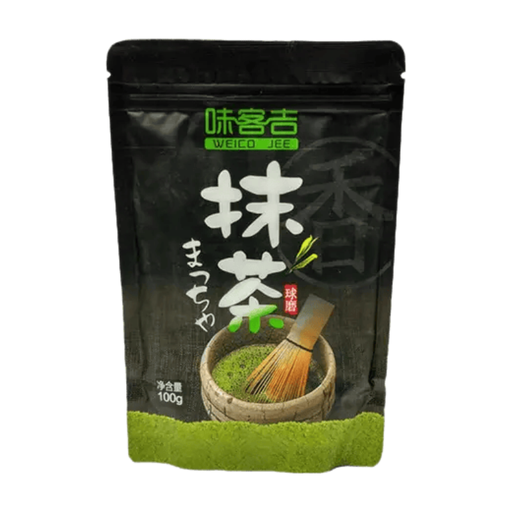
WKJ Matcha Powder 100g
This 100g powder is described for drinks and recipes if you want to choose how to prepare your matcha.
The product description calls it additive-free culinary-grade matcha with a balanced umami taste, not an established extra-bold profile. Check the pack ingredient list, serving guidance and caffeine information for your intended drink.
View on Joybuy
Questions about strong matcha
Is strong matcha automatically suitable when managing diabetes?
No. Strong describes flavour or preparation, not an effect on diabetes. Diabetes UK includes unsweetened tea among drinks for people living with diabetes, but flavoured matcha powders and prepared drinks can contain added sugar; check the whole product and anything you add to it.
What should I look for on a matcha label?
If you want to control additions, look for a powder whose ingredient list contains only matcha. For a flavoured powder or ready-made drink, also compare the nutrition panel for the exact product and serving; the word matcha does not mean unsweetened.
How can I make the flavour stronger without adding sugar?
Begin with the powder maker's measured preparation instructions, then adjust the powder-to-water ratio to your taste while keeping track of the serving. Clearspring, for example, suggests 1g of its ceremonial powder in 30ml water. More powder also means more caffeine from that powder.
Does caffeine matter if I use more matcha powder?
Yes. Check the caffeine figure and serving size for your particular powder rather than applying another product's figure: Clearspring estimates approximately 32mg per 1g, while Tesco lists 43mg per 5g serving for PerfectTed. Account for other caffeine sources too. The NHS advises no more than 200mg caffeine a day during pregnancy.
Can matcha replace diabetes treatment?
No. Diabetes UK says herbal remedies should not replace a diabetes treatment plan. Choose matcha as a beverage, continue prescribed treatment and speak to your diabetes team about individual dietary or medication questions.


