What should you check before buying?
Decide what you will make first, then check portion format and the labels of everything going into the final drink or dessert.
| Priority |
What to check |
Your needs |
| Mixed-recipe flavour |
Look for stated latte or culinary uses. Check whether you will add milk, sweetener or other dessert ingredients. JING Tea describes culinary matcha as holding its flavour against milk or sugar. |
I want the matcha to remain noticeable in a latte, iced drink or cake, rather than selecting powder solely by its ceremonial wording. |
| Whisked tea |
Check whether the product is intended for preparation with water. Read flavour descriptions as brand guidance, not a comparison across powders. |
For a small tea course, I would rather focus on the matcha itself than build a deliberately bold milk-based drink. |
| Portions and pack size |
Check pack weight and portion size against your guest list. Waitrose lists PerfectTed as seven 1.5 g portions; JING Tea lists its Ceremonial Latte Matcha in a 100 g pack. |
Sachets would make individual cups simpler to measure; for several recipes, I would check how far a larger pack will go. |
| Caffeine information |
Do not use flavour or grade as a caffeine measure. Check the current pack for product-specific information where available, and account for other caffeinated drinks being served. |
If a guest needs to keep track of caffeine, I want to be able to tell them what product went into their serving. |
| Ingredients and allergens |
Read the labels for the matcha and every addition, including milk alternatives, toppings and biscuits. The Food Standards Agency explains that precautionary allergen wording indicates possible unintended allergen presence. |
When guests ask about ingredients, I want the packaging available for the complete drink or dessert, not just the matcha powder. |
Joybuy matcha options
These options cover two ways to serve matcha at afternoon tea: a powder to consider for mixed recipes and one to consider for a whisked tea course. Check each product’s current directions against the drink or dessert you plan to make.
 No image available
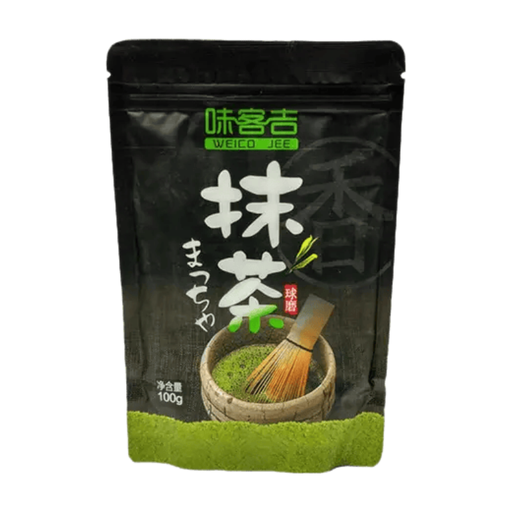
WKJ Matcha Powder 100g
For a menu with lattes or desserts, this 100 g pack is an option to portion across recipes. Check the current pack for preparation directions, serving size and caffeine information if these affect what you plan to serve.
View on Joybuy
 No image available
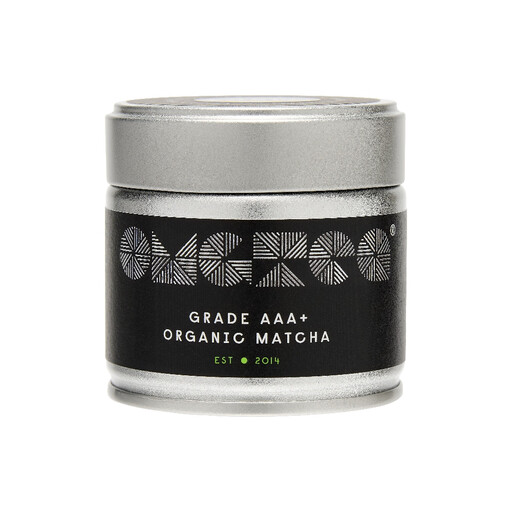
OMGTea Organic Matcha AAA+ 30g
For a matcha course whisked mainly with water, this 30 g pack offers a different serving route from mixed drinks and desserts. Check the current pack for preparation directions and caffeine information when planning guest servings.
View on Joybuy
Common questions
What does ‘strong matcha’ mean for afternoon tea?
Here it means a matcha flavour you want to notice in the finished drink or dessert, not a standard grade or a caffeine measurement. For milk-based or sweetened recipes, look for a powder intended for those uses; JING Tea describes culinary matcha as the more robust style.
Should I use ceremonial matcha for lattes and cakes?
Choose by recipe rather than assuming ceremonial wording makes a powder suitable for every serve. JING Tea directs its more robust culinary style towards milk and sugar, while its ceremonial guidance focuses on drinking matcha plain; Clearspring also lists recipe uses for its Premium Grade powder.
Does stronger-tasting matcha contain more caffeine?
Taste and grade do not establish a caffeine ranking. Check the current pack for product-specific caffeine information where available rather than using ‘strong’ as a measure.
What if a guest is pregnant or breastfeeding?
Matcha should be considered alongside the guest’s other sources of caffeine. NHS guidance sets a daily caffeine limit of 200 mg during pregnancy and also recommends no more than 200 mg a day while breastfeeding; those figures do not specify a serving size for any of these matcha products.
Which allergen labels should I check for matcha desserts?
Check the matcha and every added ingredient, including milk or alternatives, biscuits, nuts, syrups and toppings. Keep their packaging available: the Food Standards Agency explains that precautionary allergen statements indicate possible unintended allergen presence, rather than listing an ingredient deliberately added.


