Regular herbal-tea drinkers
If you make tea frequently, check the number of bags in each pack. Tesco lists 40-bag peppermint and lemon-and-ginger options, while the named Twinings Pure Peppermint pack contains 80 bags.


For a budget shop, compare pack size and flavour ingredients separately. A large pure-peppermint pack offers a direct mint profile, while a mixed-mint blend offers different mint notes; a supermarket pack is another route for regular cups. None has an established cross-brand flavour-strength rating, so check the exact ingredients and follow the maker’s brewing instructions.
If you make tea frequently, check the number of bags in each pack. Tesco lists 40-bag peppermint and lemon-and-ginger options, while the named Twinings Pure Peppermint pack contains 80 bags.
Pure peppermint provides a direct mint profile. A peppermint-and-spearmint blend adds a different mint character, but the ingredient descriptions do not establish which cup will taste stronger to you.
If avoiding caffeine matters, check the statement on the exact pack rather than relying on the brand name. Twinings identifies its Pure Peppermint and Moment of Calm products as caffeine free.
Start with the flavour you want, then compare pack quantities and the instructions for the exact tea.
| Priority | What to check | Your needs |
|---|---|---|
| Pack size | Check the bag count and pack weight on the exact product. Confirm the selected pack size before ordering. | I drink herbal tea regularly and want a pack quantity that fits how often I make it. |
| Mint profile | Check whether the ingredients specify pure peppermint or a mint blend. Twinings lists 100% peppermint for its Pure Peppermint 80 Pack; Clipper describes a peppermint-and-spearmint infusion. | A straightforward peppermint cup appeals to me more than sweeter mint notes—or I may prefer the blend. Neither description is a measured strength rating. |
| Other flavours | Read the ingredient list if choosing lemon, ginger, camomile or spice instead of mint. Follow that product’s brewing instructions. | Perhaps I want citrus or spice rather than mint; a bold-sounding name alone will not tell me the flavour composition. |
| Caffeine | Look for a caffeine-free statement on the named product and check whether a mixed tea contains tea leaves. | For a later-day drink, I want to know the caffeine status of the pack I actually choose. |
| Herbal ingredients | Read the full ingredients panel, particularly for blends containing liquorice root. NHS pregnancy guidance advises avoiding herbal teas containing liquorice root during pregnancy. | I need to check whether a particular herb is appropriate for my circumstances rather than treating every herbal blend alike. |
A pure-peppermint tea and a mixed-mint tea can have different flavour profiles without either being demonstrably stronger.
Compare their ingredients and begin with the maker’s stated brewing time before deciding which profile you prefer.
Bag count tells you how many cups a pack can make, not how its infusion will taste.
Check the bag count and ingredient list as separate parts of your decision.
Herbal infusions can contain quite different plants. NHS pregnancy guidance specifically advises avoiding teas containing liquorice root during pregnancy.
Read the exact ingredients; if pregnancy, a condition or medicines make an ingredient relevant to you, ask an appropriate healthcare professional.
A 20-bag product and an 80-bag product are different selections even when both say “Pure Peppermint”.
Check the full product name, quantity and current listing before ordering.
These range references can help narrow a flavour choice; they do not mean every product from a brand has the same ingredients.
Tesco lists own-label peppermint and lemon-and-ginger herbal teas in 40-bag packs.
The named Twinings products span pure peppermint and a camomile-and-spice infusion.
Clipper’s named organic infusion combines peppermint and spearmint.
Pukka offers organic herbal teas, including a product named Three Mint.
Teapigs lists herbal options including peppermint, liquorice and peppermint, and lemon and ginger.
Yogi Tea presents organic blends across several herbal and spice flavour families.
These options include pure peppermint, mixed-mint and other herbal flavours. Compare the named pack and its ingredients with the cup you want; their order is not a flavour-strength ranking.
 No image available
For a direct mint profile in a larger pack, this named product contains 80 tea bags and lists 100% peppermint. Check its brewing instructions for the cup you intend to make.
 No image available
Consider this 20-bag herbal tea if you want lemon and ginger rather than a plain mint profile. Check the pack’s ingredients and brewing instructions for the exact blend.
 No image available
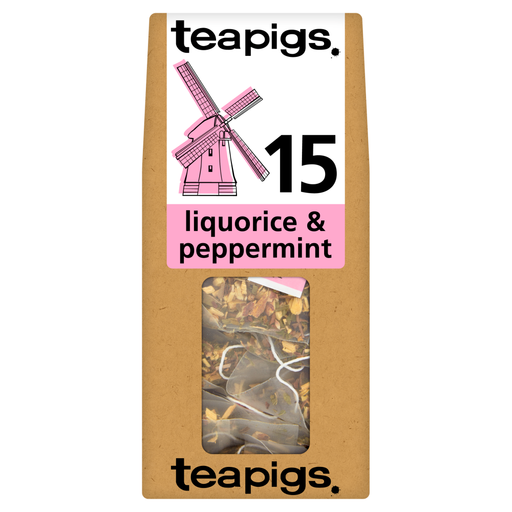
This 15-bag blend is a different choice from plain peppermint because it includes liquorice. NHS pregnancy guidance advises avoiding herbal teas containing liquorice root during pregnancy.
 No image available
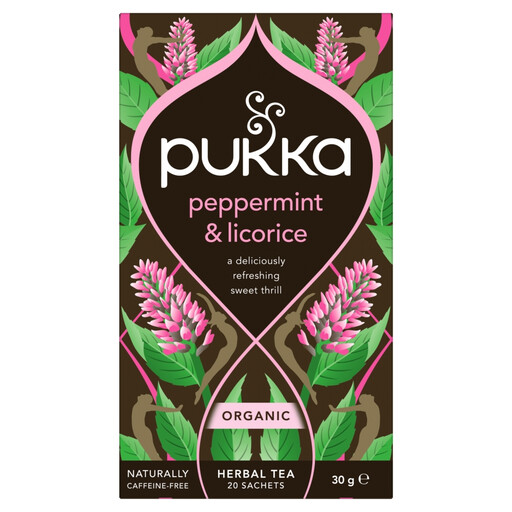
This 20-sachet, 30g pack pairs peppermint with liquorice rather than offering plain peppermint. Check the ingredients and pack warnings; NHS pregnancy guidance advises avoiding teas containing liquorice root during pregnancy.
 No image available
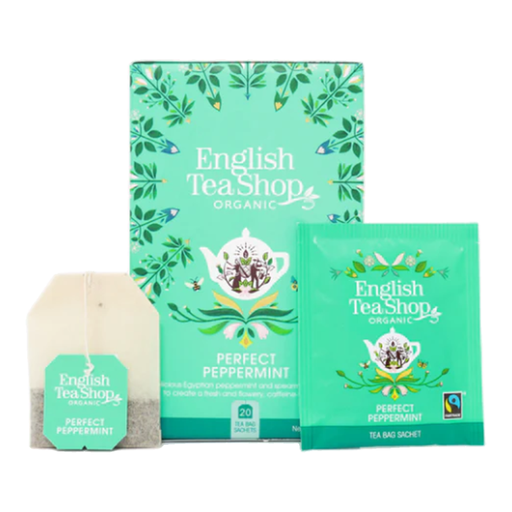
Consider this 20g peppermint-named infusion when comparing mint options. Check the full ingredient list and bag count on the selected pack before comparing it with larger packs.
Start with the instructions for your exact tea. Clipper recommends infusing its peppermint-and-spearmint product for 2–5 minutes; Twinings gives a minimum of three minutes for Moment of Calm. Do not assume the same time applies to every blend.
There is no established cross-brand strength comparison for these products. Twinings Pure Peppermint 80 Pack lists 100% peppermint, while Clipper describes a peppermint-and-spearmint blend; choose between a direct mint profile and mixed mint notes.
Check the exact product rather than relying on the category name. Twinings identifies its Pure Peppermint and Moment of Calm products as caffeine free, but that statement does not cover every mixed tea.
No. A drink marketed around wellbeing should not replace medical assessment or prescribed treatment. NHS guidance cautions that herbal medicines are not tested in the same way as standard medicines; that guidance should not be read as saying every herbal tea has the same risks.
Read the exact ingredient list and ask an appropriate healthcare professional about anything relevant to your circumstances. NHS pregnancy guidance advises avoiding herbal teas containing liquorice root and drinking no more than four cups of herbal tea a day during pregnancy.