What should you check before choosing?
Decide whether “strong” means more pronounced flavour, a larger powder dose or more caffeine, then choose a preparation format that fits the time you have.
| Priority | What to check | Your needs |
|---|
| Caffeine control |
Find the caffeine amount per serving or gram and the powder dose. Clearspring estimates approximately 32mg per gram of its dry Premium Grade matcha, based on Japanese food-composition data; this is not a batch-specific measurement. NHS guidance is no more than 200mg a day during pregnancy and recommends the same daily maximum while breastfeeding. |
I need to count matcha alongside coffee, tea, chocolate and other caffeine consumed during the day, rather than judging the amount by taste. |
| Flavour strength |
Compare the stated flavour and intended use, then measure the powder if you want to adjust the drink. A ceremonial or latte-grade name alone does not establish caffeine milligrams per serving. |
A more pronounced matcha taste matters to me, but I do not want to assume that a bolder-tasting drink has a known caffeine amount. |
| Preparation time |
Check the portion and mixing instructions. Waitrose & Partners lists PerfectTed variety sticks as 8 × 4.125g and instructs users to add one stick to 200ml of milk; loose powder requires a separate measured portion. |
On a disrupted morning, I may prefer a portioned stick to measuring powder, provided its ingredients and caffeine information suit my plans. |
| Ingredients |
Read the ingredient list, matcha percentage where stated, allergens and nutrition panel. Waitrose & Partners lists coconut sugar as the first ingredient in Perfect Ted Vanilla Bean Matcha, which contains 30% ceremonial matcha. |
I might want plain tea-leaf powder rather than a flavoured mix, or need to check what else a convenient drink contains. |
Brand and retailer references
These examples show how preparation guidance, ingredients and flavour descriptions differ across named products; they do not establish that every product from a brand has the same properties.
Clearspring
Offers Japanese matcha powders alongside Kuwa Matcha, a separate mulberry-leaf product.
- For Premium Grade matcha, Clearspring instructs users to add 1g to 30ml of hot water or another drink and estimates approximately 32mg caffeine per gram of dry powder.
- That caffeine figure is based on Japanese food-composition data, not a measurement of every tin. The caffeine-free Kuwa product is mulberry leaf, not tea-leaf matcha.
JING Tea
Describes separate ceremonial and latte-oriented matcha products.
- JING Tea describes vegetal umami in its ceremonial matcha and a creamy umami profile in its latte matcha.
- A flavour or grade description cannot be used to calculate caffeine per serving; check the specific product’s current information if you need that figure.
PerfectTed
Makes flavoured matcha formats listed by Waitrose & Partners, including a Vanilla Bean powder and variety sticks.
- The Vanilla Bean listing states 43mg caffeine per 5g serving. The variety pack contains eight 4.125g sticks for mixing with milk.
- The Vanilla Bean product lists coconut sugar first; the variety sticks are a different product, so its caffeine figure must not be applied to them.
M&S
Describes matcha’s earthy, grassy flavour and offers customised matcha drinks in its cafés.
- Syrups and a choice of dairy or plant milk allow the café drink to be customised.
- For a specific café drink, confirm its size, matcha dose and added ingredients before using it in a caffeine or ingredient calculation.
Teapigs
Has a matcha category within its wider tea range.
- Teapigs explains that tea from the Camellia sinensis plant naturally contains caffeine.
- General tea guidance is not a caffeine figure for a particular matcha serving; use the details for the product and portion you choose.
Matcha powders on Joybuy
These matcha powders offer a way to measure your own portion for a home-made drink. Check the current pack for ingredients, preparation instructions and caffeine information before relying on a particular dose.
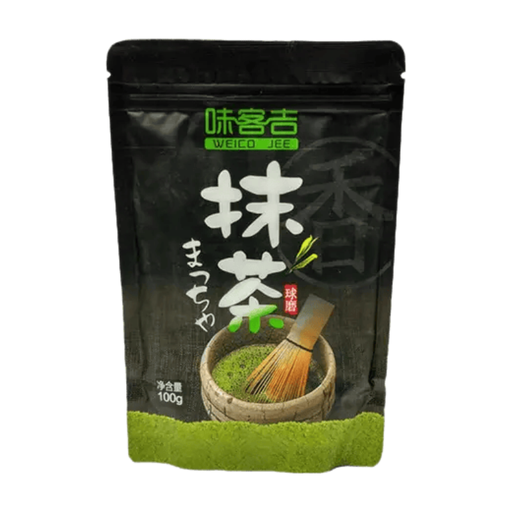 Image unavailable
WKJ Matcha Powder 100g
For a drink whose powder amount you can adjust yourself. If you need to count caffeine, check the pack for its serving instructions and caffeine amount before increasing the portion.
Joybuy
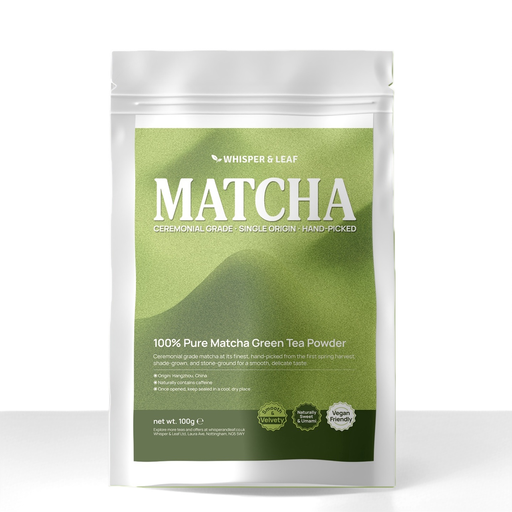 Image unavailable
Whisper and Leaf Ceremonial Grade Matcha Powder, 100g bag
A ceremonial-grade powder for making your own portions; the grade does not establish a caffeine amount or guarantee a bolder taste. Check the label for the preparation dose and caffeine information if either affects your choice.
Joybuy
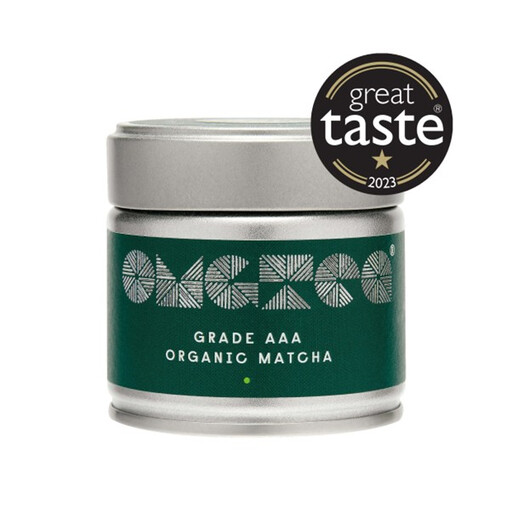 Image unavailable
OMGTea AAA High Grade Organic Matcha Green Tea, 30g
An organic matcha powder option if you prefer to set the portion yourself. If bold flavour or a measured caffeine intake is important, confirm the flavour description, preparation dose and caffeine amount on the current pack.
Joybuy
Frequently asked questions
Can I have strong-tasting matcha during pregnancy?
A strong taste alone cannot tell you whether a serving fits your daily caffeine total. The NHS says not to have more than 200mg of caffeine a day during pregnancy; count matcha together with caffeine from coffee, tea, cola, chocolate, tablets and supplements, using the portion and caffeine information for the product you drink.
How should I count matcha caffeine while breastfeeding?
Count matcha as part of your total caffeine intake: the NHS recommends no more than 200mg a day while breastfeeding. Caffeine amounts vary between foods and drinks, so use the amount for your particular product and serving rather than its flavour or grade as a guide.
Can I make a stronger matcha drink with a measured powder?
Yes, you can adjust the powder dose to change the drink you prepare, but account for any change in caffeine too. Clearspring instructs users to prepare its Premium Grade matcha with 1g of powder and estimates approximately 32mg caffeine per gram of dry matcha; that estimate is not a batch-specific measurement.
Is matcha latte powder always plain matcha?
No. Waitrose & Partners lists coconut sugar, 30% ceremonial matcha and natural flavourings in Perfect Ted Vanilla Bean Matcha, with 43mg caffeine per 5g serving. Check the ingredients and serving information of the particular latte powder rather than assuming it is unsweetened tea-leaf powder.
Is caffeine-free Kuwa Matcha the same as tea-leaf matcha?
No. Clearspring describes Kuwa Matcha as caffeine-free, 100% mulberry-leaf powder. It is an option for a green-powder drink without caffeine, but it is not matcha made from tea leaves.


